When Menopause Starts Affecting Everyday Life
When Menopause Symptoms Disrupt Your Daily Life
When Menopause Starts Affecting Everyday Life
Follow us here:


Menopause is a natural stage of life, but that does not mean its symptoms are always easy to live with. For some people, changes are mild or barely noticeable. For others, hot flashes, night sweats, or disrupted sleep can make it harder to focus at work, keep up with daily tasks, or feel rested.
Symptoms can also affect concentration, mood, relationships, and sexual comfort. Vaginal dryness or pain during sex may be difficult to bring up, while anxiety, irritability, or low mood can feel unsettling. The mix and intensity of symptoms differ from person to person, and they may change over time.
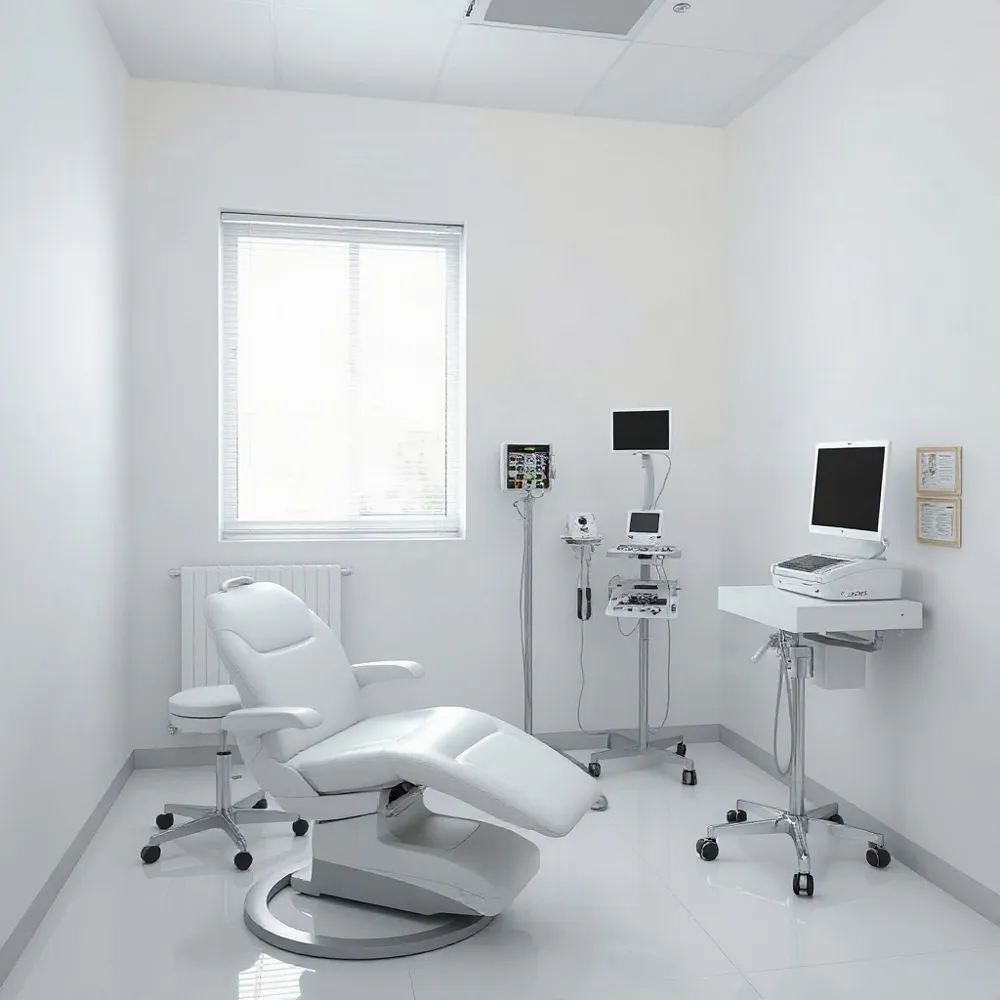
You do not need to wait until symptoms become severe to ask for support. If changes are affecting your routine, well-being, or sense of comfort, a conversation with a healthcare professional can help clarify what may be happening and what options fit your needs. At raveco.com, a woman-led Queens provider offers comprehensive obstetrics and gynecology care with a personalized approach, giving patients a setting to raise menopause concerns alongside other aspects of their health.

Menopause is a transition rather than a single stretch of symptoms. It is commonly described in three stages: perimenopause, menopause, and postmenopause. Knowing which stage you are in can help put changes in your cycle and health into context.
Perimenopause is the period leading up to menopause. During this time, ovarian hormone levels fluctuate and gradually decline. Menstrual cycles may become irregular, with changes in how often periods arrive or how heavy they are, and symptoms such as hot flashes or mood changes can begin. The transition varies from person to person, so a particular symptom pattern does not identify the stage on its own. For more on this phase, see the difference between perimenopause and menopause.
Menopause is reached after 12 consecutive months without a menstrual period, provided another medical or surgical cause has not stopped bleeding. The date is identified retrospectively, after that full year has passed. A healthcare professional can help assess menstrual changes and symptoms if the stage is unclear. The NHS overview of menopause symptoms also explains that symptoms may begin during perimenopause and continue after periods stop.
Postmenopause begins after menopause and lasts for the rest of a person’s life. Symptoms may ease, persist, or change; some people continue to experience concerns such as vaginal dryness or joint discomfort. Lower estrogen is also associated with bone loss and cardiovascular health concerns, so routine preventive care remains relevant. At raveco.com, gynecological care is personalized to women’s health needs, including support for concerns that continue beyond the final period.
You do not have to wait for symptoms to become severe before raising them with a clinician. If symptoms interfere with daily life, seek medical advice.

Perimenopause and menopause can affect the body in different ways, and symptoms may change over time. A shift in menstrual patterns is often among the first signs: periods may become less predictable, shorter or longer, or heavier or lighter before they stop. Hot flashes can bring a sudden feeling of heat, sweating, or chills, while night sweats may interrupt sleep. The NHS guide to menopause and perimenopause symptoms describes how these changes can vary from person to person.
Changes in sleep, mood, and concentration can overlap. Someone who has trouble falling or staying asleep may feel tired during the day, more irritable, or less able to focus and remember details. Mood changes, anxiety, and low mood can also occur. Poor sleep may add to these difficulties, but it is not the only possible cause.
Other possible symptoms include vaginal dryness or discomfort during sex, urinary urgency or leakage, joint and muscle aches, headaches, and changes in skin or hair. Vaginal and urinary symptoms can be uncomfortable, but they are worth raising with a clinician rather than simply accepting them as inevitable. For more on familiar changes such as hot flashes, night sweats, and menstrual shifts, see this guide to common menopause symptoms.
There is no single symptom pattern that everyone experiences. Some people have few noticeable changes, while others find symptoms interfere with sleep, work, relationships, or daily activities. The Office on Women’s Health overview of menopause symptoms and relief encourages people to discuss bothersome symptoms with a health care provider.
Symptoms that resemble menopause can also have other causes, so a clinician can help assess what may be contributing and discuss appropriate next steps. At raveco.com, women can seek personalized, comprehensive obstetrics and gynecology care in Queens, NY. If changes are worrying you or disrupting your routine, a conversation with a gynecologist can help clarify your options.
Perimenopause often begins in the mid-40s, but there is no fixed starting age. Some people notice changes earlier, and the transition may unfold over several years. Menstrual patterns and symptoms vary, so a change in timing does not by itself confirm that perimenopause has begun. For more on how the timeline can differ, see when perimenopause may begin.
In the United States, menopause commonly occurs around age 51, though individual timing differs. It is confirmed after 12 consecutive months without a menstrual period, when there is no other medical or surgical reason for periods to stop. A clinician can use menstrual history and symptoms to assess the transition; hormone tests are not always helpful while levels fluctuate. Mayo Clinic’s overview of menopause explains the definition and typical timing.
Periods that become irregular or stop can have causes other than perimenopause, including pregnancy or thyroid problems. If changes begin unusually early, missed periods are unexplained, or symptoms concern you, discuss them with a healthcare professional rather than relying on age alone. At raveco.com, an Ob/Gyn can consider menstrual changes alongside a patient’s symptoms and health history, then discuss whether further assessment is appropriate.
Perimenopause does not end on a predictable schedule. It often lasts several years, but its length varies from person to person. Estimates also differ: Mayo Clinic describes an average of about four years, while other sources report a longer transition for some people. Symptoms and timing can vary widely, so no single pattern applies to everyone. Mayo Clinic’s overview of menopause explains how the transition and its symptoms can differ.
Periods may become farther apart, lighter or heavier, or pause for several months before returning. These changes can suggest that the transition is progressing, but they cannot show exactly when the final period will occur. Hot flashes, sleep disruption, and mood changes may also shift, persist, or ease without confirming that menopause is near.
Menopause is reached after 12 consecutive months without a menstrual period. The time after that point is called postmenopause. If you are unsure how to interpret changing cycles, a gynecologist can review your menstrual history and symptoms. At raveco.com, gynecological care is part of a broader women’s health practice, allowing patients to discuss menopause concerns alongside other aspects of their health.
Some bleeding patterns need medical attention rather than being assumed to be part of the transition. Contact a healthcare professional about unusually heavy bleeding or bleeding between periods. Any vaginal bleeding after 12 months without a period, even spotting, should be evaluated. The NHS guidance on menopause symptoms advises assessment of postmenopausal bleeding because it can sometimes signal a serious health problem.
The final menstrual period does not necessarily mark the end of menopause-related symptoms. Their duration and intensity vary, and symptoms may ease, persist, or shift over time. The NHS guidance on menopause symptoms notes that symptoms commonly last several years and can continue after menopause.
Hot flashes and night sweats may carry on into postmenopause, sometimes disturbing sleep even after periods have stopped. Joint pain and vaginal dryness can also persist. Other symptoms may become less noticeable, while changes in mood, sleep, or concentration take on greater importance. There is no single pattern that everyone follows.
A symptom that continues is not automatically a sign of a serious problem, but worsening discomfort or symptoms that interfere with work, relationships, sleep, or everyday activities are good reasons to seek care. A clinician can assess whether menopause is the likely cause, check for other explanations, and discuss options suited to your health and priorities. At Raveco in Queens, menopause concerns can be discussed as part of personalized obstetric and gynecologic care.
If bleeding occurs after menopause, contact a healthcare professional.
Keeping a brief record of symptoms, when they occur, and how they affect daily life can make an appointment more useful. If you are unsure whether a change warrants attention, it is reasonable to ask rather than wait for symptoms to become severe. Menopause care can continue after the final period, particularly when symptoms remain uncomfortable or new concerns arise.
You do not have to wait until menopause symptoms become severe to ask for help. If hot flashes, sleep problems, mood changes, vaginal discomfort, or other concerns interfere with work, relationships, sex, or your overall quality of life, make an appointment with a healthcare professional. Symptoms and their effects vary, and there is no required severity threshold for seeking care, as Cleveland Clinic guidance on when to see a doctor explains.
A primary care clinician or gynecologist can be a starting point. Describe what has changed, when symptoms began, how often they occur, and how they affect your routine. A gynecology practice such as raveco.com can assess menopause-related concerns as part of comprehensive women’s health care, including irregular periods, hot flashes, mood changes, and vaginal symptoms.
Bleeding after 12 consecutive months without a period needs medical evaluation. Heavy or unusual bleeding before that point is also worth discussing.
If an initial visit does not leave enough time to address your concerns, ask to schedule a dedicated follow-up. It can help to keep notes on symptoms and their effects, and to bring questions about treatment and next steps. When concerns continue or remain unresolved, ask whether a clinician with menopause-specific experience may be appropriate; a Cleveland Clinic guide to menopause care describes this as one option for discussing persistent symptoms.
When menopause symptoms interfere with daily life, care can focus on the problems that matter most to you. A clinician can consider your symptoms, health history, preferences, and the possible benefits and risks of each option. There is no single plan that suits everyone.
For disruptive hot flashes and night sweats, a clinician may discuss menopause hormone therapy or prescription medicines that do not contain hormones. Other treatments may target particular concerns, such as vaginal discomfort or sleep disruption. The choice depends on your circumstances, so discuss options and potential risks with a healthcare professional. The Office on Women’s Health guide to menopause symptom relief outlines approaches for several common symptoms.
Anxiety, persistent low mood, or irritability deserve attention in their own right, rather than being treated only as side effects of physical symptoms. Depending on the situation, support may include counseling, mental health care, or medication. Hormone therapy may help some mild mood changes, but it is not a substitute for assessment or treatment of depression or anxiety. If these symptoms persist or affect work, relationships, or daily activities, raise them with a clinician.
Regular physical activity, stress-management practices, adequate sleep, and connection with supportive friends or family may help support mood and general well-being. These steps can complement clinical care, but they are not guaranteed to relieve severe symptoms on their own. If symptoms remain disruptive, a follow-up can help determine whether the plan should change.
At Raveco, a woman-led obstetrics and gynecology provider in Queens, care is centered on personalized women’s health. A conversation with an Ob/Gyn can help connect menopause concerns with your broader health history and identify appropriate next steps. Individualized symptom support can be discussed with a healthcare professional.

There is no single treatment plan that suits everyone. A clinician can help match options to the symptoms that disrupt your routine most, how severe they are, your health history, and what matters to you. At Raveco Medical, personalized women’s health care is part of its broader obstetrics and gynecology services in Queens, giving patients a setting to discuss menopause concerns alongside their individual needs.
For hot flashes and night sweats, systemic menopausal hormone therapy is an effective option for people who are appropriate candidates. Its form and safety depend on personal health factors, including whether you have a uterus. Some people may prefer or need nonhormonal prescription medicines, such as certain antidepressants, gabapentin, or fezolinetant. A clinician can review the benefits and risks of these choices with you, as described in Mayo Clinic’s menopause treatment guidance.
Vaginal dryness or pain during sex may call for a different approach. Vaginal moisturizers used regularly and lubricants used during sexual activity can ease discomfort. If symptoms persist, ask a clinician about prescription options such as low-dose vaginal estrogen, vaginal prasterone, or ospemifene. The best fit depends on the cause of symptoms and your medical history.
Treatment does not always mean medication. Cognitive behavioral therapy can help some people feel less bothered by menopause symptoms, and clinical hypnosis may help with hot flashes for some. These approaches may be considered alone or alongside other care, particularly when symptoms affect sleep or emotional well-being.
Choosing a plan is a shared decision, not a one-time prescription. Before an appointment, it can help to note which symptoms occur, how often they arise, and what seems to make them better or worse. Raveco Medical’s patient-centered approach can support a conversation about symptoms, personal health history, and treatment preferences. Follow-up gives you and your clinician a chance to review benefits and risks, check whether the plan is helping, and adjust it if your needs change.
Symptom relief and hormone therapy options can be discussed with a healthcare professional.
Menopausal hormone therapy can ease disruptive symptoms, but it is not the right choice for everyone. For people whose hot flashes, night sweats, or vaginal symptoms affect daily life, treatment may offer relief and may help limit bone loss. The decision depends on symptoms, health history, and personal preferences, not on a one-size-fits-all rule.
Systemic therapy, which sends hormones through the bloodstream, is the most effective treatment for hot flashes and night sweats. It may also ease other symptoms and help prevent bone loss in appropriate candidates. Low-dose vaginal estrogen acts mainly on vaginal tissues and may help with dryness, painful sex, and some urinary symptoms, while generally involving less overall hormone exposure. Mayo Clinic’s overview of menopause treatment describes these options and their uses.
Systemic hormone therapy can carry risks, including blood clots and stroke, and may raise the risk of certain cancers for some people. The balance varies with the treatment type, dose, route, and duration, as well as age and personal and family health history. A history of some cancers, blood clots, cardiovascular conditions, liver disease, or unexplained vaginal bleeding may affect whether therapy is suitable. These factors call for an individualized clinical review, not assumptions based on symptoms alone.
For someone who still has a uterus, systemic estrogen is generally prescribed with a progestogen. This helps protect the uterine lining from overgrowth that can occur with estrogen alone. People who have had a hysterectomy may be candidates for estrogen-only therapy, depending on their circumstances.
Hormone therapy may be considered for some people younger than 60 or within 10 years of menopause, when symptoms are bothersome and there are no major reasons to avoid treatment. These are general considerations, not a guarantee that therapy is appropriate. A clinician can compare expected relief with individual risks, discuss whether local vaginal treatment or another option may fit better, and choose a dose and form suited to the person. Cleveland Clinic’s hormone therapy guidance also emphasizes this individualized decision.
At raveco.com, menopause care is part of comprehensive obstetrics and gynecology services, with treatment discussions grounded in each patient’s health needs. Bring questions about benefits, risks, and alternatives to an Ob/Gyn visit, and report any new symptoms or side effects rather than changing or stopping medication on your own. Plans should be reviewed regularly because symptoms, health risks, and preferences can change over time.
Small adjustments can make symptoms easier to manage while you decide whether additional care is needed. Tracking when hot flashes occur, what you were doing, and what you ate or drank may help reveal personal triggers. Alcohol, spicy foods, caffeine, stress, and warm environments can contribute for some people, though patterns differ. The Office on Women's Health recommends practical steps such as dressing in layers, using a fan, and keeping cool water nearby.
A cool, dark bedroom and breathable sleepwear may help make night sweats less disruptive. Regular physical activity can support general health and may help with sleep and mood; choose an activity that fits your abilities and routine. Relaxation practices, including mindfulness, can also support coping. Cognitive behavioral therapy and clinical hypnosis may reduce how bothersome symptoms feel for some people, although results vary.
For vaginal dryness or discomfort, over-the-counter vaginal moisturizers used regularly and lubricants used during sexual activity may improve comfort. Persistent symptoms deserve a conversation with a clinician, who can assess the cause and discuss suitable options. A gynecologist can consider these concerns alongside your health history and preferences as part of personalized women’s health care at raveco.com.
Some prescription medicines that are not hormones, including certain antidepressants, gabapentin, and clonidine, may help reduce hot flashes for some people. They have different cautions and possible side effects, so a clinician should help determine whether one is appropriate. If symptoms remain disruptive, tell your provider what you have tried and what matters most to you. The Mayo Clinic’s menopause treatment guidance describes options that can be discussed with a healthcare professional.
Be cautious with herbal products and dietary supplements. Evidence for many products is limited, and some may cause harm or interact with medicines. Ask a healthcare professional before starting a supplement, especially if you take prescription medicines or have ongoing health conditions. A symptom log can help make that conversation more specific and help you decide together which supports are worth continuing.
No single routine works for everyone. Combining practical changes with clinician-guided care can help address both symptom relief and comfort in daily life.
Changes in weight or body shape are common concerns during perimenopause and menopause, but they do not happen the same way to everyone. Some people notice more weight around the abdomen, while others experience little change. Weight gain can occur during the transition, often around the stomach and upper body.
Hormone changes may influence where the body stores fat, but they are only one part of the picture. Aging, genetics, eating habits, activity levels, and shifts in muscle mass and metabolism can also contribute. These influences vary, so weight change is not an inevitable result of menopause.
Menopause care is not one-size-fits-all. Symptoms, health history, and personal preferences all shape which approaches may be appropriate, and symptoms that disrupt work, sleep, relationships, or daily activities are worth discussing with a healthcare professional. The U.S. Office on Women’s Health recommends talking with a provider about bothersome symptoms and possible relief.
Before an appointment, note which symptoms affect you most, when they occur, and what seems to improve or worsen them. Ask about treatment options, possible benefits and risks, and whether other health conditions could be contributing. At Raveco, a woman-led obstetrics and gynecology provider in Queens, care centers on personalized women’s health, giving patients a setting to discuss concerns and next steps with an Ob/Gyn.
A plan may need adjustment as symptoms and health needs change. If an approach is not helping or causes concerns, tell your clinician rather than assuming you must tolerate the problem. Follow-up also gives you a chance to review preventive care and longer-term health alongside immediate comfort. With individualized guidance, menopause care can address what is affecting daily life now while keeping broader well-being in view.

.png)
%201.png)
Compassionate care for every stage of womanhood. Visit one of our convenient locations or book your appointment online today.