
Protecting Ovarian Health: Signs, Symptoms, and Proactive Care
What Every Woman Should Know About Ovarian Health
Protecting Ovarian Health: Signs, Symptoms, and Proactive Care
Follow us here:


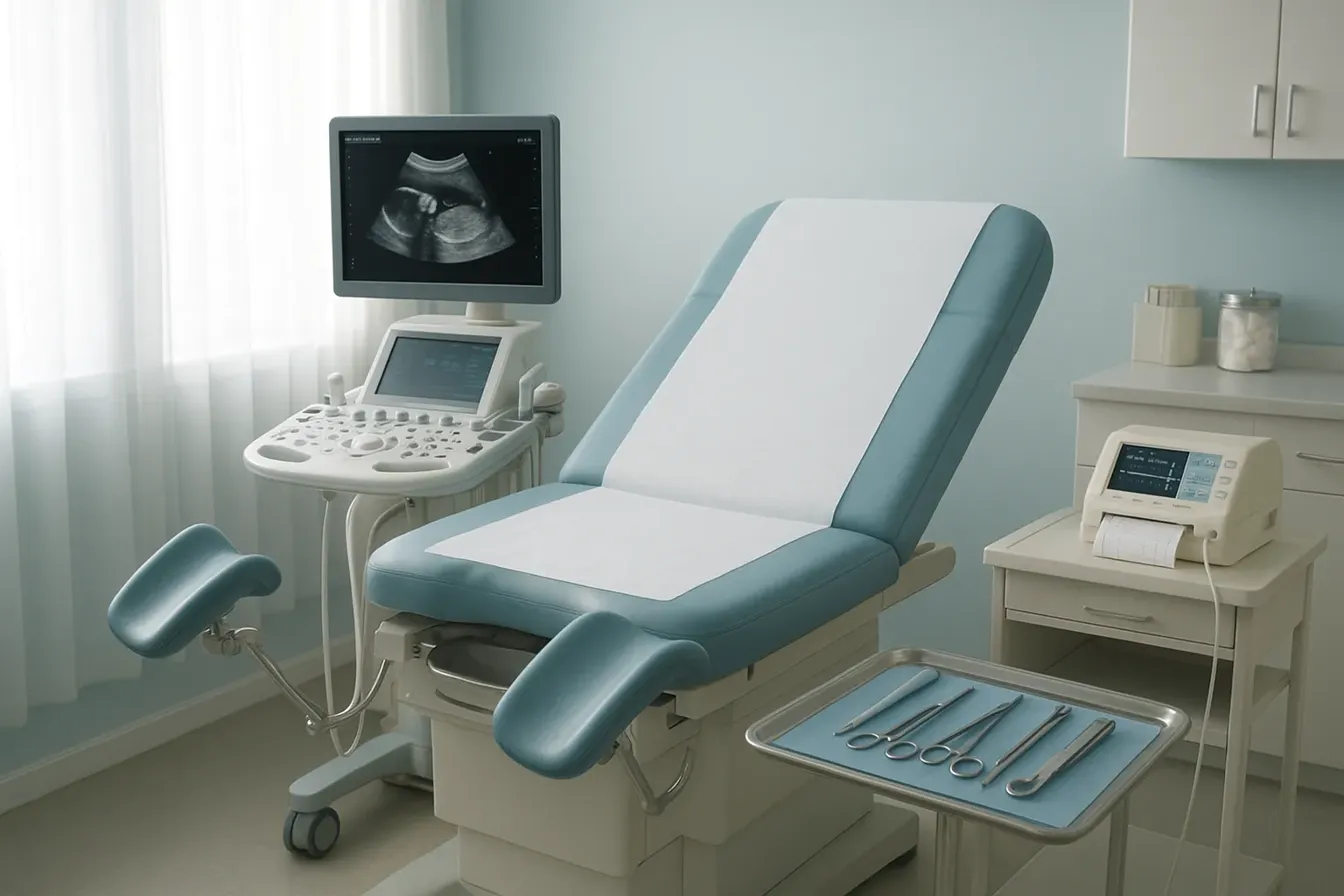
Vaginal Birth After Cesarean (VBAC) refers to delivering a baby vaginally following a previous cesarean section. This option allows many women to experience a natural childbirth after having had a C-section.
VBAC offers several important benefits compared to repeat cesarean deliveries. These include avoiding major abdominal surgery and its risks, such as infection, blood loss, and longer recovery time. Women who have a successful VBAC generally experience shorter hospital stays and can return to daily activities more quickly. Additionally, vaginal birth helps babies clear their lungs, reducing respiratory issues, and exposes them to beneficial bacteria that support immune system development.
Choosing VBAC is especially valuable for women planning future pregnancies. It reduces complications associated with multiple cesareans, such as placenta accreta, scar tissue buildup, and injury to internal organs. Many women prefer VBAC to avoid the physical and emotional challenges of repeated surgery, fostering a more positive birth experience. Careful screening and hospital readiness for emergencies ensure VBAC is a safe and supported option in many healthcare settings across the United States.

Vaginal birth after cesarean (VBAC) typically offers a much shorter recovery period compared to repeat cesarean deliveries. Women who successfully deliver vaginally avoid major abdominal surgery, which significantly reduces pain and healing time. Repeat cesareans involve incisions through abdominal and uterine muscles, extending recovery and increasing discomfort.
Because VBAC avoids surgical incisions on the abdomen, postpartum pain tends to be less intense and shorter in duration. This allows mothers to regain mobility sooner, facilitating walking, self-care, and handling daily activities comfortably. Less pain also means reduced need for pain medications, which can help with alertness and responsiveness.
The quicker recovery and lower pain levels following VBAC enable mothers to engage more promptly and actively in newborn care. This includes breastfeeding, skin-to-skin contact, and physical bonding, all crucial for the baby's health and emotional well-being. Earlier discharge from the hospital also minimizes separation time from family and home environment.
Overall, the vaginal birth after cesarean promotes a faster return to normal life and supports early maternal and infant interaction, benefiting both mother's physical recovery and newborn development.
Choosing a vaginal birth after cesarean (VBAC) allows many women to avoid abdominal surgery, which carries inherent risks. Unlike repeat cesarean deliveries, VBAC does not involve opening the abdomen, thereby reducing the likelihood of surgical complications such as anesthesia-related issues.
VBAC is associated with significantly lower chances of wound infections compared to repeat C-sections. Additionally, women attempting VBAC experience less blood loss during delivery, decreasing the risk of complications like severe hemorrhage and the need for blood transfusions.
Multiple cesarean sections increase the risk of developing scar tissue (adhesions), which can entangle pelvic organs and complicate future surgeries. Repeat C-sections also raise the chance of injury to organs such as the bladder and bowel. By reducing the number of surgeries, VBAC minimizes these risks, contributing to improved maternal health outcomes.
In summary, opting for VBAC can lower exposure to surgical risks, reduce infection and bleeding rates, and decrease the likelihood of serious complications that can arise from repeated abdominal surgeries.

Choosing VBAC over multiple C-sections can significantly reduce health complications tied to multiple C-sections. Women who have multiple cesarean deliveries face increased risks such as heavy bleeding, injury to the bladder or bowel, and challenging surgical adhesions. Benefits of vaginal birth after C-section reduces the likelihood of these complications, contributing to safer subsequent pregnancies and deliveries.
Placenta previa (placenta covering the cervix) and risks associated with placenta accreta are serious risks that tend to increase with multiple cesarean sections. By successfully delivering vaginally after a prior cesarean, women lower their risk of developing these placental disorders in future pregnancies.
Repeated cesarean surgeries create more scar tissue on the uterus, which heightens the risk of uterine rupture in VBAC in future pregnancies. A well-managed VBAC with eligibility criteria—with candidates selected carefully based on their uterine incision type and medical history—minimizes the formation of additional uterine scars. This management helps keep the uterine rupture risk low, often under 1%, when attempted in appropriate healthcare facilities equipped for VBAC prepared for emergencies.
This reduced surgical trauma and lower risk of life-threatening complications make VBAC a beneficial option for women planning more pregnancies, promoting both maternal and neonatal health in the long term.

Babies delivered vaginally after a cesarean (VBAC) generally have better respiratory outcomes compared to those born via repeat cesarean. Vaginal births help clear amniotic fluid from the newborn’s lungs, reducing the risk of breathing difficulties. This respiratory benefit is important in promoting a healthy transition to breathing air immediately after birth.
During a vaginal birth after C-section (VBAC), infants are exposed to beneficial bacteria from the mother’s vaginal canal. This exposure plays a vital role in establishing the infant’s initial microbiome, which supports digestion and immune system development. In contrast, cesarean delivery bypasses this bacterial exposure, which may impact early immune health.
The early colonization by maternal vaginal bacteria during VBAC appears to help train the baby’s immune system to better recognize and fight off harmful pathogens. This microbial exposure is linked to potential long-term improvements in immune resilience and lower risks of certain allergies and autoimmune conditions.
These neonatal benefits underscore the positive health impact a successful vaginal birth after cesarean (VBAC) can have, complementing the maternal benefits by supporting newborn wellness and development.

One of the prominent advantages of vaginal birth after cesarean (VBAC) is the elimination of risks linked to major abdominal surgery, such as those experienced during repeat C-sections. Unlike cesarean delivery, VBAC avoids the need for abdominal incisions, which significantly reduces the chances of surgical complications such as infection and blood loss in VBAC.
Because VBAC is a vaginal delivery, it typically requires less or no general anesthesia compared to cesarean sections. This reduction in anesthesia exposure helps lower associated side effects and risks for the mother, supporting a safer childbirth experience.
VBAC lowers the likelihood of developing blood clots and suffering surgical injuries such as damage to the bladder or bowels, which are risks inherent in repeated abdominal surgeries. This translates into a safer recovery phase with fewer complications.
Overall, VBAC offers an effective way to avoid the physical and medical challenges of repeat cesarean surgeries, contributing to faster recovery times and reduced health risks for both mother and baby.

Nearly half of women with a previous cesarean express a preference for vaginal birth after cesarean (VBAC). This preference is often motivated by a strong desire to experience a vaginal birth, which many women view as a more natural and empowering process compared to repeat cesarean delivery.
Choosing VBAC can lead to greater satisfaction with the birth experience. Women who deliver vaginally after a prior cesarean frequently report a sense of accomplishment and fulfillment. The ability to avoid major abdominal surgery is not only physically beneficial but also contributes positively to their emotional wellbeing.
VBAC is linked with improved maternal mental health outcomes. Successful vaginal birth reduces feelings of anxiety and trauma often associated with surgical deliveries. The quicker recovery and less invasive nature of VBAC can promote a positive postpartum emotional state, enhancing bonding with the newborn and overall maternal confidence.
Ultimately, the psychological and emotional advantages of VBAC underscore its value in supporting women's holistic health during and after childbirth.

Successful vaginal birth after cesarean (VBAC) is associated with significantly lower maternal mortality compared to planned repeat cesarean deliveries. The avoidance of major abdominal surgery reduces risks related to anesthesia, surgical complications, and blood loss.
Compared to repeat cesarean sections, VBAC is linked with fewer instances of hysterectomy and blood transfusions. This is largely due to decreased uterine and abdominal trauma, resulting in fewer severe complications such as risks associated with placenta accreta and heavy bleeding.
VBAC leads to fewer post-operative infections, less intensive recovery times, and reduced adhesions or scarring that can affect future pregnancies. The shorter hospital stays and quicker return to normal activities also contribute to overall better maternal health outcomes.
Healthcare providers emphasize the importance of assessing individual medical history and ensuring delivery in importance of delivery in equipped healthcare facility, thus maximizing safety during VBAC attempts. These benefits make VBAC a favorable option for many women, helping to reduce the cumulative health risks associated with multiple cesarean deliveries.

Women who have a vaginal birth after cesarean (VBAC) typically experience a significantly shorter hospital stay compared to those who undergo repeat cesarean sections. This is primarily due to the absence of major abdominal surgery, which allows for quicker initial recovery.
The recovery period following VBAC is faster, enabling patients to be discharged sooner. Avoiding surgical complications such as incision site infections, heavy blood loss, and anesthesia-related issues contributes to a smoother and expedited postpartum course.
Shorter hospitalization results in lower medical costs both for healthcare facilities and for patients. Reduced time in hospital decreases resource utilization including room charges, nursing care, and postoperative care expenses. Studies have also noted that VBAC can reduce overall hospital costs, making it a financially beneficial option when clinically appropriate.
Overall, the combination of reduced hospital stay duration and fewer post-delivery complications makes VBAC not only a safer recovery choice for many but also a cost-effective one within the U.S. healthcare system.
A Vaginal Birth After Cesarean (VBAC) refers to the process of delivering a baby vaginally after a previous cesarean section. This approach allows many women to avoid the risks and recovery time associated with repeat C-sections and offers benefits such as less pain, reduced infection rates, and quicker return to daily activities.
Safety is paramount in VBAC. The overall Risk of uterine rupture during VBAC is less than 1%, particularly with a low transverse uterine incision from the prior C-section. Women with multiple prior C-sections or classical (vertical) incisions generally face higher risks and may not be candidates for VBAC. Continuous monitoring during labor is essential to promptly detect any complications.
VBAC should be attempted only in hospitals equipped with the necessary facilities and trained staff to manage emergency cesarean deliveries. Immediate access to surgical intervention ensures maternal and fetal safety if complications occur.
VBAC success rates in the United States range from 60% to 80%, with higher success linked to prior vaginal births and spontaneous labor. While benefits include shorter hospital stays and fewer surgical risks, rare risks such as uterine rupture, infection, and emergency C-section remain. Discussing individual medical history with healthcare providers early in pregnancy helps determine VBAC eligibility and optimize outcomes.
The American College of Obstetricians and Gynecologists (ACOG) supports vaginal birth after cesarean (VBAC) as a safe and appropriate option for many women. ACOG recommends that VBAC should be considered for individuals with a prior low transverse uterine incision and no contraindications. They stress the importance of delivering in facilities equipped to manage emergencies, including rapid access to emergency cesarean delivery.
ACOG highlights several benefits of VBAC, including avoidance of major abdominal surgery, shorter recovery periods, reduced risk of infection, and less blood loss. Successfully having a VBAC can also reduce risks in future pregnancies, such as complications related to multiple cesarean deliveries—including bladder or bowel injuries, hysterectomy, and placental problems like placenta accreta.
Key factors influencing VBAC candidacy include:
ACOG stresses the necessity of individualized risk assessment and shared decision-making between patient and healthcare provider to ensure safe care outcomes.
A planned vaginal birth after cesarean (VBAC) is generally considered for women who have a previous low transverse uterine incision and VBAC safety from a C-section, as this incision type carries the lowest risk of uterine rupture (less than 1%). Candidates ideally have no history of uterine rupture and have had no other uterine surgeries that would raise safety concerns. A prior successful vaginal delivery, including a previous successful VBAC, also improves the likelihood of a safe and successful vaginal birth. Women should be in good health and have no pregnancy complications that increase risks during labor.
VBAC is typically contraindicated for women with a history of high vertical (classical) or T-shaped uterine incisions due to significantly increased risk of rupture. Women with more than two prior cesarean sections or those with previous uterine rupture are also usually not advised to attempt VBAC. Other risk factors include multiple uterine scars, medical complications such as placenta previa or preeclampsia, or pregnancies involving large babies or multiples that may complicate vaginal delivery. Labor induction, especially with prostaglandins, can increase uterine rupture risk and is approached cautiously.
The type of previous uterine incision is a critical determinant for VBAC eligibility. Low transverse incisions are associated with the safest outcomes and the highest VBAC success rates, while classical or high vertical incisions carry the highest rupture risk and are contraindications in most cases. Verification of incision type through medical records is essential, as the external scar does not reveal the internal uterine incision.
Attempting a VBAC requires delivery at a hospital equipped with 24/7 surgical staff and capability for emergency cesarean sections. Continuous fetal and maternal monitoring during VBAC labor is vital during labor to promptly detect signs of uterine rupture or fetal distress, ensuring immediate intervention if needed. This medical preparedness significantly enhances the safety profile of VBAC trials.
Effective patient counseling should combine a detailed review of obstetric history, clear communication of risks and benefits, and consideration of patient preferences to make an informed, individualized decision about VBAC. This approach aligns with clinical practice guidelines in the United States, optimizing safety and outcomes for both mother and baby.
Healthcare providers generally recommend waiting at least 18 to 24 months after a cesarean section before attempting a vaginal birth after cesarean (VBAC). This interval allows the uterine scar sufficient time to heal properly, reducing the risk of complications such as uterine rupture risk during VBAC.
The type of uterine incision made during the previous cesarean plays a significant role in safely planning a VBAC. A low transverse uterine incision—the most common type—poses the lowest risk of uterine rupture and is usually considered safe for VBAC attempts. Conversely, vertical or classical high transverse incisions carry a higher risk and often contraindicate a VBAC.
Decisions about the timing of VBAC also depend on a woman’s individual obstetric history, current health status, and the Facilities for Emergency Cesarean. Because VBAC carries risks such as uterine rupture risk during VBAC (though less than 1%), delivery should occur in a hospital prepared for emergency cesarean sections. Open communication with healthcare providers early in pregnancy is essential to consulting healthcare providers about VBAC, ensuring the safest timing and approach for VBAC.
Vaginal Birth After Cesarean (VBAC) success rate generally ranges from 60% to 80%, with many sources citing about 70-75% for women attempting a VBAC in the United States. Approximately 73% of women with one prior low-transverse cesarean delivery successfully achieve vaginal birth in a subsequent pregnancy.
Several factors influence the likelihood of a successful VBAC:
Having a previous vaginal delivery significantly raises the chance of VBAC success because the pelvis has already adapted to vaginal birth. Additionally, the safety and eligibility for VBAC heavily depend on the types of uterine incision in cesarean. Low transverse uterine incision and VBAC safety, make them optimal for VBAC candidates. In contrast, classical or vertical incisions present higher risks and often exclude women from attempting VBAC.
In summary, VBAC is a safe and effective option for many women with prior cesarean deliveries, especially when careful patient selection and facility readiness for emergency cesarean are ensured.
Vaginal Birth After Cesarean (VBAC) offers significant benefits for both mother and baby. Women who successfully experience VBAC avoid abdominal surgery, leading to quicker recovery times, shorter hospital stays, and lower risks of infection and blood loss. Additionally, babies born vaginally tend to have better lung clearance and exposure to beneficial bacteria, promoting healthier respiratory and immune function.
Choosing VBAC requires a thorough discussion with healthcare providers early in pregnancy. This ensures that individual risk factors such as the type of previous uterine incision, overall health, and pregnancy conditions are carefully evaluated. Labor should be monitored in a well-equipped facility prepared for emergency C-sections, ensuring safety for mother and child.
Women who have had a previous C-section are encouraged to have open conversations with their healthcare team about VBAC. Personalized counseling can help weigh the risks and benefits, supporting informed decisions that align with personal health goals and future family planning. Engaging in this discussion empowers women to make choices that optimize their childbirth experience and long-term well-being.

.png)
%201.png)
Compassionate care for every stage of womanhood. Visit one of our convenient locations or book your appointment online today.