
Understanding Preconception Genetic Testing for a Healthier Pregnancy
The Importance of Preconception Genetic Testing
Understanding Preconception Genetic Testing for a Healthier Pregnancy
Follow us here:



Cervical cancer is one of the most preventable cancers in women. Although nearly all cases are linked to high-risk strains of human papillomavirus (HPV), regular screening allows healthcare providers to detect precancerous cervical cell changes long before they turn into cancer.
Widespread screening has already saved thousands of lives. The cervical cancer death rate in the United States dropped from 2.8 per 100,000 women in 2000 to 2.3 per 100,000 women in 2015, largely thanks to routine Pap smears and HPV testing. Yet every year, more than 13,000 new cases are still diagnosed, and most occur in women who have not been adequately screened.
This article covers the benefits of regular screenings, up-to-date guidelines by age, and what follow-up care looks like when abnormalities are found. Understanding these basics helps women make informed decisions about their health and take advantage of the simple, life-saving tests available today.

Cervical cancer screening is a powerful tool for detecting early changes in the cervix that could lead to cancer if left untreated. Two primary tests are used: the Pap smear and the HPV test. Understanding the difference between them helps you feel more informed and prepared for your appointment.
Pap Smear. Also called a Pap test or cervical cytology, this test collects a sample of cells from the cervix. The cells are examined under a microscope to look for abnormal cell changes that could be precancerous or cancerous. A Pap smear can catch these changes early, when treatment is most effective.HPV Test. This test checks for the presence of high-risk strains of the human papillomavirus (HPV), the virus that causes nearly all cases of cervical cancer. Unlike a Pap smear, which looks at cell shape and appearance, an HPV test directly looks for the viral DNA linked to cancer risk.
Both tests are safe and take only minutes during a pelvic exam. They are often done together as a co-test, especially for women aged 30 and older. The USPSTF recommends screening every 3 years with a Pap smear alone for women aged 21 to 29, and every 5 years with an HPV test or co-test for those aged 30 to 65.
Even if you have received the HPV vaccine, routine screening remains essential. The vaccine protects against the most common high-risk HPV types but does not cover every strain that can cause cervical cancer. Regular screening is the best way to ensure long-term protection and peace of mind.
For personalized guidance on screening schedules and what to expect, raveco.com provides patient-centered resources to help you stay on top of your preventive health care.
Cervical cancer screening schedules are based on age and individual risk factors to maximize early detection while minimizing unnecessary testing. The U.S. Preventive Services Task Force (USPSTF) recommends starting screening at age 21 and continuing through age 65.
For women aged 21 to 29, the standard recommendation is a Pap test every three years. The USPSTF advises against screening before age 21, as HPV infections in this age group often resolve on their own and the harms of early screening outweigh the benefits.
Women aged 30 to 65 have several options. They can choose a Pap test alone every three years, an HPV test alone every five years, or a co-test (Pap and HPV together) every five years. Where available, the American Cancer Society prefers primary HPV testing every five years, starting at age 25.
Most women can stop routine cervical cancer screening at age 65, provided they have had adequate prior screenings with normal results. The USPSTF recommends against screening after 65 for women who meet these criteria, as the benefits no longer outweigh the potential harms.
Women with certain risk factors may need a different screening plan. This includes those with a history of cervical cancer, previous abnormal Pap results, HIV infection, a weakened immune system, or in utero exposure to DES (diethylstilbestrol). A healthcare provider can tailor a schedule to fit individual needs. At raveco.com, your provider will review your personal health history and recommend the most appropriate screening approach for you.
Women who no longer need screening after total hysterectomy (removal of the uterus and cervix) do not require further Pap tests, unless the hysterectomy was performed for cancer-related reasons.
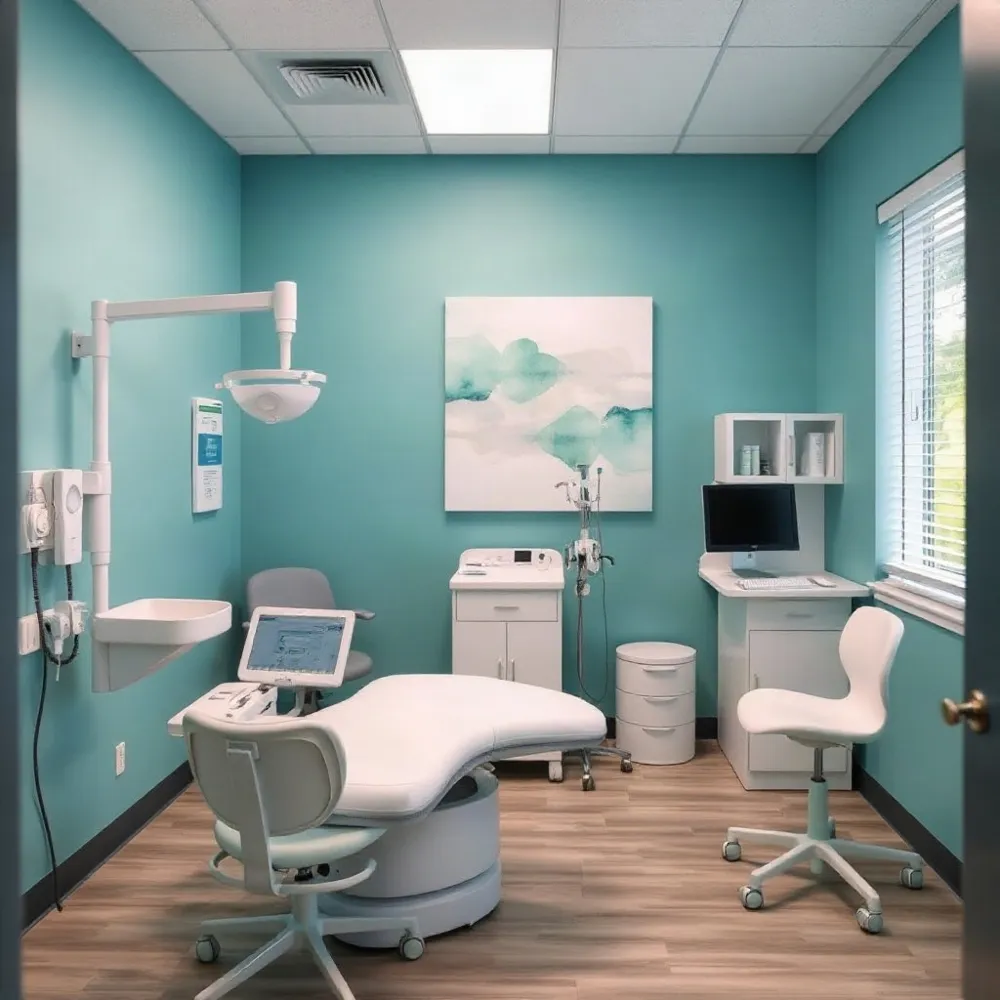
A cervical cancer screening is a brief in-office procedure. You lie on an exam table with your knees bent. A healthcare professional inserts a speculum to gently hold the vaginal walls apart, then uses a soft brush and spatula to collect a sample of cells from the cervix. The sample is sent to a lab, and results are typically available in one to three weeks.
For patients aged 30–65, a newer self-collection option is available. The American College of Obstetricians and Gynecologists (ACOG) now endorses patient-collected high-risk HPV (hrHPV) testing every three years as an alternative, provided a clinician offers it and the appropriate follow-up infrastructure is in place. This option can reduce barriers for those who find speculum exams uncomfortable or who have limited access to in-person care.
A negative (normal) result means no abnormal cells or high-risk HPV were found, and no further action is needed until your next scheduled screening. An abnormal or positive result does not mean you have cervical cancer. Most abnormal findings are caused by temporary infections or irritation. However, follow-up testing is necessary. Your provider may perform a colposcopy, a magnified exam of the cervix, or a biopsy to determine if the abnormal cells are precancerous and require treatment.
If your self-collected HPV test is positive, you will need to visit a clinician for a speculum exam to collect a new cervical sample for further testing. This is a standard step to investigate the result and ensure accurate follow-up.
Costs for a Pap smear and HPV test vary by location, facility, and insurance status. Most insurance plans cover routine cervical cancer screenings at no out-of-pocket cost under the Affordable Care Act. However, you should confirm coverage with your provider and insurance company. Without insurance, prices can range widely, so ask your healthcare facility about costs beforehand.
At Raveco, we help patients navigate scheduling, insurance questions, and follow-up care so you can focus on your health without added stress.
The Immune System and HPV: What You Should Know
The body often clears the human papillomavirus (HPV) on its own. In fact, about 90% of HPV infections resolve naturally within one to two years, thanks to the immune system. There is no direct cure for the virus, which is why regular screening and follow-up care are essential to monitor any cell changes that might develop during this time.
Even when the body clears HPV, monitoring remains important. A small percentage of infections persist, especially with high-risk strains. Persistent high-risk HPV can lead to precancerous cervical changes over time. Regular cervical cancer screening catches these changes early, allowing providers to intervene before cancer develops.
The HPV vaccine plays a vital role in prevention by protecting against the most dangerous strains of the virus. While it greatly reduces risk, the HPV vaccine does not cover every type of HPV. Routine screening remains necessary even for vaccinated women.

Knowing your cervical cancer risk is a form of empowerment. Instead of worrying about what might be happening inside your body, a routine screening provides a clear, evidence-based picture of your cervical health. According to the U.S. Preventive Services Task Force, regular screening significantly reduces both the incidence and mortality of cervical cancer. Early detection through a Pap smear or HPV test can catch abnormal cells long before they cause symptoms, allowing for simpler, less invasive treatments.
For many women, the anxiety of not knowing is far greater than the brief discomfort of the test itself. The knowledge that you are taking a proactive step greatly reduces mental stress. By identifying precancerous changes early, screenings can turn a potential health crisis into a manageable follow-up visit. At raveco.com, our team provides compassionate, patient-centered care that ensures you feel informed and supported through every step.
Understanding what your screening results mean replaces vague fear with actionable knowledge. A normal result gives you the confidence to continue your routine schedule. An abnormal result, while concerning, is not a cancer diagnosis. It often leads to a simple follow-up test like a colposcopy. This clarity allows you and your provider to create a precise care plan together, turning a source of anxiety into a path toward better health.
Skipping screenings altogether is the biggest risk. The American Cancer Society notes that regular screening can prevent more than 8 out of 10 cervical cancers. Without it, precancerous changes can go unnoticed for years, slowly progressing into invasive cancer that requires more complex treatment. The peace of mind that comes from a simple, quick test every three to five years is invaluable.
Regular gynecological check-ups are the foundation of lifelong reproductive health. These visits integrate cervical cancer screening with a pelvic exam, breast exam, and a chance to discuss any concerns with your provider. At raveco.com, we emphasize that routine visits are not just about detecting disease but about building a relationship of trust and continuous care. Pairing this preventive care with an HPV vaccine, as recommended by the CDC, offers a powerful two-part defense against cervical cancer risk.
Knowing the guidelines and understanding your screening options are only the first steps. The real power lies in building a consistent care relationship with a gynecologic provider who knows your history, risk factors, and preferences. Regular screenings save lives, and that safety net is strongest when it's woven into your routine health care.
Whether you are in your 20s starting Pap tests or in your 40s opting for primary HPV testing every five years as recommended by the ACOG and the USPSTF, the schedule you follow should be reviewed with a trusted clinician. If you have had a history of abnormal results, a compromised immune system, or other risk factors, your provider may advise more frequent testing. At Raveco, care plans are tailored to each patient, ensuring that every screening interval reflects your personal health picture.
If you have missed a screening or are unsure when your last one was, do not wait. Scheduling an appointment is the single most effective step you can take. Your provider can start you on the right path, explain every step of the process, and help you understand each result. Lifelong health is built one visit at a time, and the compassionate, woman-focused team at Raveco is ready to support you through every stage.

.png)
%201.png)
Compassionate care for every stage of womanhood. Visit one of our convenient locations or book your appointment online today.