Choosing Birth Control That Fits Your Life
IUDs, Pills, and Implants: Comparing Birth Control Options
Choosing Birth Control That Fits Your Life
Follow us here:


A well‑woman exam is a yearly health check‑in that starts at age 21 (or earlier for teens) to establish a trusted provider relationship and gather a complete personal and family history. By reviewing symptoms, performing a pelvic exam, Pap/HPV testing, clinical breast exam, and offering STI, blood‑pressure, cholesterol, and bone‑density screens, the visit catches cervical, breast, ovarian, and uterine abnormalities before they cause symptoms. These early detections dramatically improve treatment success and lower mortality. Across the lifespan, the same appointment also addresses contraception, fertility planning, menopause management, lifestyle counseling, and vaccinations, ensuring comprehensive, age‑appropriate care.

AAFP well‑woman exam
The American Academy of Family Physicians (AAFP) defines a well‑woman exam as a comprehensive preventive visit for women of reproductive age that prioritizes counseling and evidence‑based screening rather than routine pelvic exams. Recommended components include obesity and depression screening (when follow‑up care is available), intimate‑partner‑violence screening, and age‑appropriate cancer and infectious‑disease testing such as mammography (individualized for ages 40‑49), HIV, hepatitis C, and chlamydia/gonorrhea for sexually active women under 25. AAFP aligns with USPSTF Grade A and B guidelines and notes that routine pelvic exams for asymptomatic women provide no mortality benefit and may cause harm.
AAFP physical exam recommendations
For adults, AAFP recommends counseling on healthy lifestyle habits, smoking cessation, alcohol moderation, and up‑to‑date immunizations. Evidence‑based screening includes HIV testing for all adults, hypertension at any age, diabetes and dyslipidemia in overweight/obese patients 40‑70 years (or up to 75 years), and colorectal cancer screening for average‑risk individuals 50‑75 years using FIT, colonoscopy, or CT colonography. While the interval for well‑adult visits is flexible, most insurers support an annual exam to ensure timely preventive care.
Well‑woman exam scholarly articles
Research emphasizes that a well‑woman visit integrates counseling, screening, and immunizations tailored to a woman’s age and risk profile. Systematic reviews and USPSTF evidence confirm that routine pelvic exams for asymptomatic women lack benefit, whereas obesity, depression, intimate‑partner‑violence, and STI screenings produce measurable health gains when linked to appropriate follow‑up. The ACOG Committee Opinion No. 755 (2018, reaffirmed 2024) provides detailed guidance on history taking, physical examination, and shared decision‑making for breast, pelvic, and cancer screenings, supporting a patient‑centered, team‑based approach.

Regular gynecologic visits are a cornerstone of early cancer detection. The U.S. Preventive Services Task Force (USPSTF) advises that women start cervical cancer screening with a Pap test at age 21, repeating every three years if results are normal. At age 30, screening can be performed with a Pap test every three years, an HPV test every five years, or a Pap‑HPV cotest every five years. After age 65, most women may stop screening if they have had three consecutive negative Pap tests or two consecutive negative HPV tests and no history of high‑grade lesions (USPSTF, 2023). Breast cancer screening begins at age 40 with annual or biennial mammograms; clinical breast exams are also performed during well‑woman visits. The CDC’s National Breast and Cervical Cancer Early Detection Program (NBCCEDP) provides free or low‑cost Pap smears, HPV testing, and mammograms for eligible low‑income women, reducing barriers to care. In Queens, our woman‑led practice follows these guidelines, offers on‑site mammography and Pap/HPV testing, and connects patients to NBCCEDP resources when needed. By detecting precancerous changes or early‑stage tumors, these screenings dramatically improve survival rates—cervical cancer five‑year survival exceeds 90 % when caught at stage I, and mammography reduces breast‑cancer mortality by 20–40 % (USPSTF, 2022). Early detection also lowers overall health‑care costs, prevents aggressive treatments, and empowers women with knowledge about their health. Our practice provides personalized counseling, patient navigation, and, a programs that for,, the cervical Mamm done the forchoice for all women, regardless the insurance status.

A typical well‑woman visit starts with a thorough review of personal and family medical history, lifestyle factors, and mental‑health status. The clinician then checks vital signs (height, weight, blood pressure) and performs a clinical breast exam to feel for lumps or skin changes.
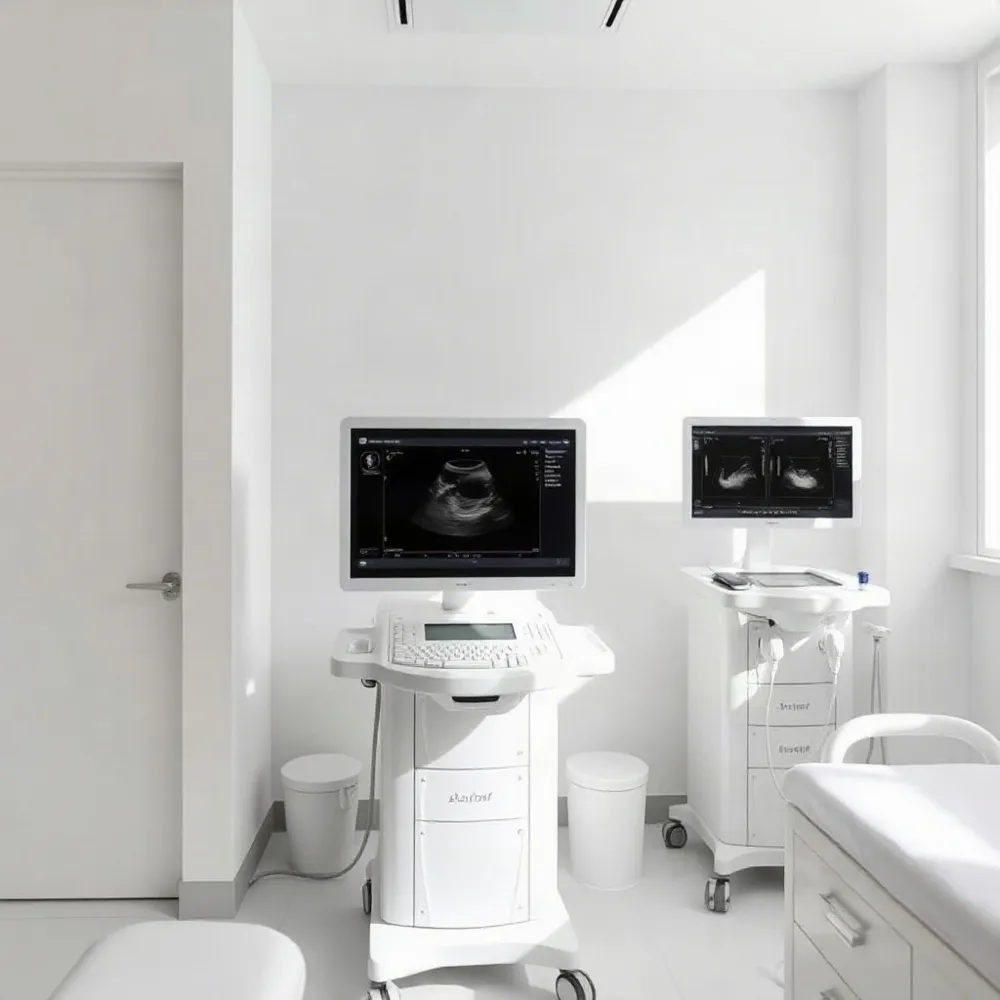
During the pelvic portion, the external genitalia are inspected, a speculum is placed to view the cervix, and a Pap smear (± HPV testing) is collected according to USPSTF guidelines (Pap every 3 years for ages 21‑29, Pap + HPV every 5 years for ages 30‑65). A bimanual exam follows, allowing the provider to feel the uterus, ovaries, and adjacent lymph nodes (neck, axillary, inguinal) for size, texture, and tenderness. If the ovaries are not easily palpable or symptoms warrant, a transvaginal ultrasound may be ordered.
Additional labs can include urine dipstick, blood glucose, cholesterol, or STI panels based on risk. Counseling covers contraception, HPV vaccination, smoking cessation, nutrition, and menopause management. The visit ends with a personalized screening schedule, follow‑up plan, and referrals if any abnormality is found. This comprehensive approach enables early detection of cervical, breast, ovarian, and other gynecologic conditions, improving outcomes and empowering women in their health journey.

Queens offers a rich network of women‑led OB‑GYN practices that combine compassionate, patient‑centered care with cutting‑edge technology. OBGYN Queens – A single‑stop women’s health pavilion in Forest Hills (easy subway access via E, F, G, R, V) provides annual wellness exams, family‑planning counseling, advanced fertility treatments, and minimally invasive surgery. Board‑certified physicians deliver prenatal care, maternal‑fetal medicine, and postpartum support, all under one roof and accepting most major insurance plans.
Female gynecologist Queens, NY – Women for Women OB/GYN LLC offers a fully woman‑led team of five board‑certified OB‑GYNs and a female nurse practitioner. Services span routine exams, high‑risk pregnancy management, 4‑D obstetrical ultrasound, and comprehensive contraception options. The practice’s extended hours (Mon‑Thu 8:30 a.m.–8:00 p.m., Fri 8:30 a.m.–3:00 p.m.) and easy parking make it convenient for Queens residents.
Queens Hospital OBGYN residency – Queens Hospital Center hosts an ACGME‑accredited four‑year residency program affiliated with the Icahn School of Medicine. Residents gain hands‑on experience in labor and delivery, gynecologic oncology, minimally invasive surgery, and reproductive endocrinology, supported by weekly didactics, simulation labs, and a 100 % ABOG pass rate.
Women’s Health Center MediSys – This MediSys hub delivers a full spectrum of services, from well‑woman exams and cancer screening to urogynecology and group prenatal programs like CenteringPregnancy. Female physicians and specialists collaborate to tailor care to each patient’s unique needs.
Walk‑In GYN Queens – Located at 189‑01 Northern Blvd, the women‑owned clinic offers same‑day appointments for routine exams, contraception, and urgent concerns. Open Mon‑Thu 10 a.m.–6 p.m., Fri 11 a.m.–6 p.m., Sat 10 a.m.–2 p.m., it accepts most insurance plans and provides a “Well‑Woman” package for comprehensive preventive care.
Women’s Health Pavilion – With offices across Queens and Long Island, this woman‑led practice features on‑site labs, pathology, and 4‑D ultrasound, allowing personalized, high‑quality care in a single visit. Flexible scheduling, weekend hours, and a multilingual staff ensure that every woman can access the care she deserves at every stage of life.

Many women arrive for a gynecologic exam with understandable worries: discomfort from a speculum or bimanual exam, embarrassment about exposing the genital area, fear of loss of control, and anxiety about discovering a serious condition. Providers address these fears by explaining each step, using gentle techniques, offering a ch‑stop option, and ensuring a clean, private environment.
Lifestyle counseling and mental‑health screening are integral to the visit. The clinician reviews nutrition, exercise, smoking, alcohol use and offers resources for cessation, while validated questionnaires screen for depression, anxiety, and intimate‑partner violence. Early discussion of these factors improves overall well‑being and reduces disease risk.
Equity programs such as the CDC‑backed National Breast and Cervical Cancer Early Detection Program and local outreach in Queens provide free or low‑cost mammograms, Pap/HPV testing, and follow‑up for low‑income women. Patient navigation and culturally‑sensitive education help overcome barriers, ensuring that all women—regardless of income, language, or background—receive guideline‑concordant screening and counseling.
Routine exams thus relieve common concerns, promote healthy habits, and advance health equity by making early detection and preventive care accessible to every woman.
Regular gynecologic visits save lives by catching cervical, breast, and ovarian cancers before symptoms appear, reducing mortality by up to 80 % and avoiding costly advanced treatments. They also identify infections, polycystic ovary syndrome, endometriosis, and bone‑density loss early, allowing gentle, targeted therapy. In Queens, women‑led centers such as Women for Women OB‑GYN and the Joan H. Tisch Center provide state‑of‑the‑art ultrasound, high‑resolution Pap/HPV testing, and same‑day appointments in a respectful, culturally sensitive environment. Take the next step for your health—call or book online today to schedule your well‑woman exam and keep your future vibrant for long‑term well‑being and confidence today.

.png)
%201.png)
Compassionate care for every stage of womanhood. Visit one of our convenient locations or book your appointment online today.