
Protecting Ovarian Health: Signs, Symptoms, and Proactive Care
What Every Woman Should Know About Ovarian Health
Protecting Ovarian Health: Signs, Symptoms, and Proactive Care
Follow us here:


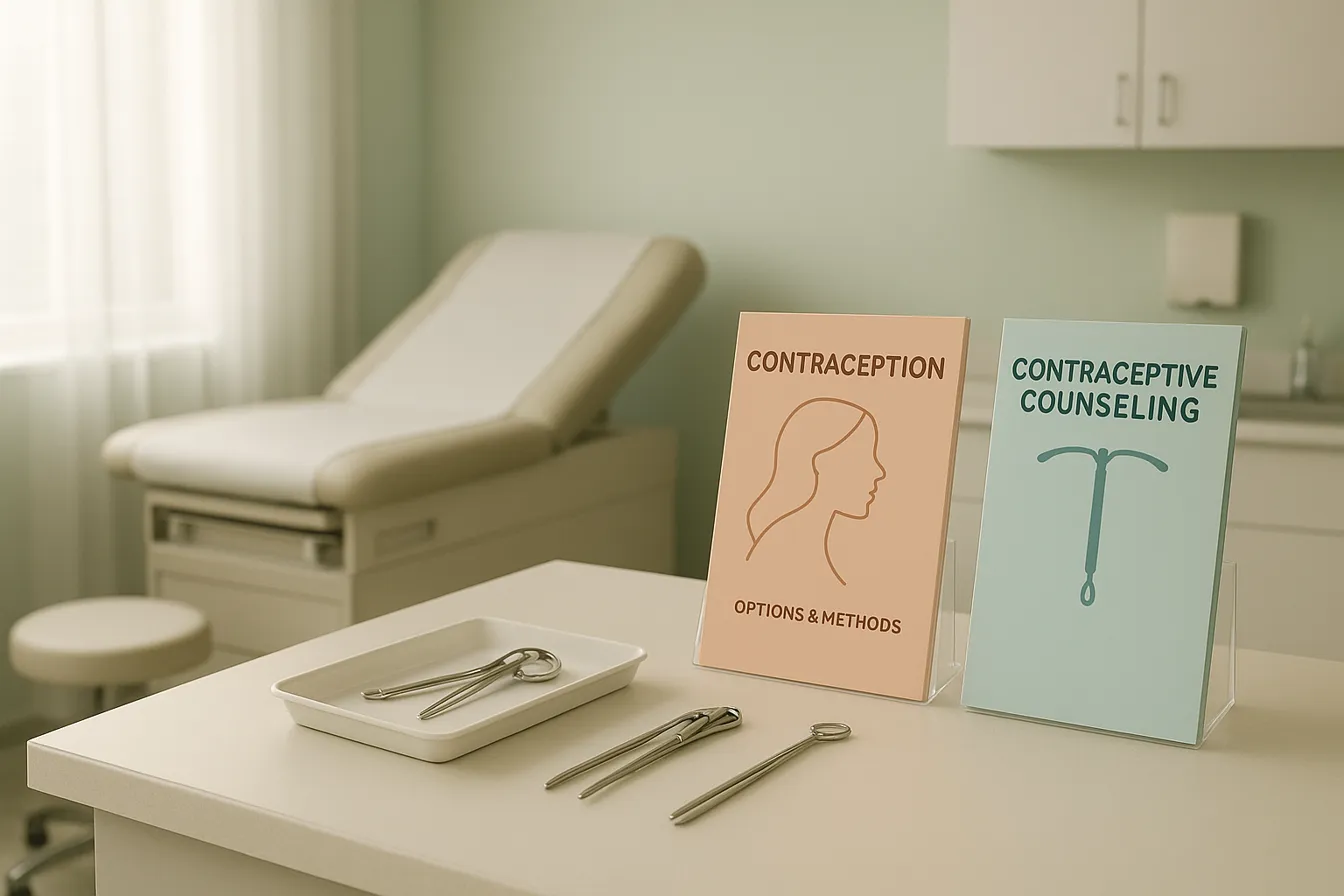
Contraceptive counseling is an essential healthcare interaction where providers offer information and guidance tailored to an individual's reproductive health needs and preferences. It supports patients in understanding the wide range of available birth control options — from hormonal methods, long-acting reversible contraceptives (LARCs), to permanent solutions — enabling informed choices that align with their unique circumstances.
Central to personalized counseling is respecting patient autonomy, meaning individuals have the right to make decisions about their reproductive health free from coercion. Healthcare providers are encouraged to engage in shared decision-making, where both patient preferences and clinical expertise are valued equally. This collaborative approach fosters trust, ensures that patients’ values are prioritized, and improves satisfaction with chosen contraceptive methods.
Personalized contraceptive counseling addresses the diverse and changing needs of individuals over time, considering factors such as health status, lifestyle, and reproductive goals. It helps overcome systemic barriers and biases by creating an empathetic, patient-centered environment. This tailored approach not only improves contraception adherence and effectiveness but also supports overall well-being and reproductive justice.

The four main types of contraceptives are barrier methods, hormonal methods, intrauterine devices (IUDs), and natural family planning.
Barrier methods prevent pregnancy by physically blocking sperm from reaching the egg. Common examples include male and female condoms, diaphragms, and cervical caps. Among these, condoms are unique in also providing protection against condoms for STI protection, including HIV.
Hormonal contraceptives deliver synthetic hormones like estrogen and progestin to regulate or inhibit ovulation. These include oral contraceptive pills, patches, vaginal rings, injections, and implants. Aside from pregnancy prevention, hormonal methods can help regulate menstrual cycles and reduce symptoms such as cramps.
IUDs are small devices placed in the uterus to provide long-acting contraception. There are two main types: hormonal IUDs, which release progestin to thicken cervical mucus and sometimes suppress ovulation, and copper IUDs, which create an environment toxic to sperm. Both types are over 99% effective at preventing pregnancy but do not protect against STIs.
This method involves monitoring fertility signals, such as basal body temperature and cervical mucus, to avoid intercourse during fertile periods. While natural family planning is hormone-free, it is less effective than other methods and does not offer any protection from STIs.
| Contraceptive Type | Mechanism of Action | STI Protection | Typical Use Effectiveness |
|---|---|---|---|
| Barrier Methods | Physical block preventing sperm access | Yes | 79-85% |
| Hormonal Methods | Suppress ovulation or alter cervical mucus | No | 91-99% |
| Intrauterine Devices (IUDs) | Prevent fertilization or implantation | No | >99% |
| Natural Family Planning | Track fertility signals to avoid fertile days | No | 75-88% |

Birth control methods vary widely in effectiveness, largely influenced by the type of contraception and user adherence. Long-acting reversible contraceptives (LARCs), such as hormonal and copper intrauterine devices (IUDs), implants like Nexplanon, and the intrauterine system (IUS), boast over 99% effectiveness with both typical and perfect use. These options require minimal user intervention, making them highly reliable for preventing pregnancy.
Hormonal methods, including contraceptive injections, combined oral contraceptive pills, progestogen-only pills, patches, and vaginal rings, typically have effectiveness rates between 91% and 94% under typical use. However, with perfect use—consistent and correct application—their effectiveness rises above 99%.
Barrier methods such as male and female condoms are less effective with typical use, showing about an 82% effectiveness rate. Perfect use can increase this up to 98%, highlighting the importance of proper and consistent use. Similarly, natural family planning and fertility awareness methods may reach up to 99% effectiveness with precise adherence, but typical use rates are generally lower due to the challenges in consistent application.
| Contraceptive Method | Typical Use Effectiveness | Perfect Use Effectiveness | Notes |
|---|---|---|---|
| Hormonal IUD, Copper IUD, Implant, IUS | >99% | >99% | Minimal user action required |
| Contraceptive injections & pills | 91%-94% | >99% | Daily or periodic compliance needed |
| Male condoms | 82% | 98% | Also protects against STIs |
| Natural family planning methods | Variable (76%-88%) | Up to 99% | Requires diligent tracking and abstinence timing |
Effectiveness strongly depends on consistent and proper use. For methods requiring daily or periodic action, missed doses or incorrect application reduce efficacy and increase pregnancy risk. Counseling from healthcare professionals can help patients choose methods that align well with their lifestyle, health status, and reproductive goals, which supports adherence.
Healthcare providers emphasize shared decision-making in contraception, considering individual preferences and medical conditions to tailor contraception advice. This patient-centered contraceptive counseling approach enhances satisfaction and improves outcomes by matching the method to the user’s needs, ultimately reducing unintended pregnancies.
By understanding the differences between typical and perfect use, patients are empowered to make informed choices and improve their contraceptive success rates.

Hormonal contraceptive methods, such as Depo-Provera, are highly effective contraceptive methods with a perfect use effectiveness rate of over 99%. Typical use effectiveness drops slightly to about 96%, largely due to the need for timely injections every 12 weeks. Delays beyond 15 weeks can reduce the shot’s efficacy, so adhering to the injection schedule is important. Additionally, some medications and herbal supplements may interfere with the shot’s effectiveness, requiring the use of backup contraception if injections are missed or delayed.
The hormonal contraceptive patch offers a similarly high degree of protection against pregnancy. With perfect use, the patch is about 99% effective, but typical use effectiveness decreases to approximately 94%. Factors such as higher body mass index (BMI) or certain health conditions may reduce the patch’s contraceptive effectiveness.
Although both methods are reliable for pregnancy prevention, neither the shot nor the patch provides protection against contraceptive methods and STI prevention. Therefore, it is recommended that users employ barrier methods like condoms concurrently to prevent STIs.
The hormonal contraceptive injectable is administered once every 12 weeks via injection, making it convenient but requiring strict adherence to scheduling. The patch is typically changed weekly for three weeks, followed by a patch-free week. This schedule demands consistent user compliance for optimal effectiveness.
Research indicates that higher BMI can potentially decrease the effectiveness of the hormonal contraceptive patch, which requires consideration during contraceptive counseling. The shot’s efficacy may also be influenced by drug interactions and timing of administration.
Neither the shot nor the patch protects against STIs, including HIV. Using condoms in combination with these methods ensures dual protection, covering both pregnancy prevention and STI risk reduction.

Among the contraceptive methods available, intrauterine devices (IUDs) and implants stand out as the most effective, offering over 99% effectiveness in preventing pregnancy. These long-acting reversible contraceptives (LARCs) require minimal maintenance once placed, making them a reliable choice for many women.
Hormonal IUDs and copper IUDs function by preventing fertilization and can provide additional health benefits, such as menstrual cycle regulation and relief from conditions like heavy bleeding or endometriosis. Implants, typically inserted under the skin of the upper arm, also deliver hormones steadily to prevent ovulation and may help reduce menstrual cramps and simplify contraception.
While oral hormonal contraceptives, including combined and progestogen-only pills, can approach 99% effectiveness with perfect use, typical usage decreases their efficacy to approximately 93% due to user error. Unlike IUDs and implants, these require consistent daily intake.
It is important to note that although IUDs and implants are incredibly effective at preventing pregnancy, they do not protect against sexually transmitted infections (STIs). Thus, barrier methods like condoms remain essential for STI prevention.
Consultation with a healthcare professional is vital to determine the contraceptive method best suited for an individual’s health status, lifestyle, and reproductive goals. Personalized contraceptive counseling ensures that benefits, potential side effects, and limitations are fully understood, empowering individuals to make informed decisions about their reproductive health.

Prescribing birth control in the United States involves a patient-centered approach guided by the CDC's Medical Eligibility Criteria (U.S. MEC) and the 2024 U.S. Selected Practice Recommendations for Contraceptive Use (U.S. SPR). Healthcare providers assess a patient's medical history, including factors like blood pressure, migraine history (especially migraines with aura), smoking status, and chronic conditions to ensure the chosen contraceptive method is safe.
Common prescription contraceptive options include hormonal implants, intrauterine devices (IUDs), injectables, oral pills, patches, vaginal rings, and emergency contraception. Providers tailor choices based on an individual’s health status, reproductive plans, and preferences while addressing any contraindications.
Quick start methods allow contraception to begin on any day of the menstrual cycle once pregnancy is reasonably excluded, facilitating timely access. Prescribing up to a one-year supply of contraceptives improves adherence and convenience for patients.
Reducing barriers to contraception access—through approaches such as same-day prescribing, telemedicine services, and pharmacy-based provision—helps decrease unintended pregnancies, notably among adolescents and other vulnerable groups. Providers also emphasize ongoing patient-centered contraceptive counseling to address side effects and satisfaction, promoting continued and effective contraceptive use.
Birth control counseling is a collaborative conversation between patients and healthcare providers. This process helps identify contraception methods that align closely with a person’s reproductive goals, personal values, and health needs. The approach centers on empowering patients by prioritizing autonomy and supporting informed, voluntary choices without coercion.
Contraceptive counseling actively uses shared decision-making in contraception. Here, clinicians contribute medical expertise, while patients share their preferences and lived experiences, creating a balanced way to select the most suitable contraceptive methods. Integrating a reproductive justice framework in contraceptive counseling enhances this process by acknowledging impact of historical reproductive mistreatment and barriers to contraception access affecting marginalized groups. It advocates for respecting every individual’s rights to bodily autonomy and equitable access to contraception.
Healthcare provider bias in counseling recognizes both conscious and unconscious biases that may influence counseling. Efforts to minimize these biases foster equitable counseling and care. Equally important is honoring prioritizing patient values and autonomy, including respecting decisions to initiate, change, or discontinue contraceptive methods without resistance or pressure.
Counseling that embraces patient-centered contraceptive counseling appreciates the diverse backgrounds and experiences of individuals, particularly marginalized populations who may face discrimination or limited access to care. Addressing barriers to effective contraceptive use such as cost, insurance limitations, and stigma is essential for creating a supportive environment, ensuring that contraceptive services are accessible and tailored to each patient's unique circumstances.
| Aspect | Description | Impact on Patient-Centered Counseling |
|---|---|---|
| Family planning and contraception | Collaborative patient-provider discussion | Supports informed decisions aligned with personal goals |
| Shared decision-making in contraception | Balanced exchange of expertise and preferences | Enhances trust and patient satisfaction |
| Reproductive justice in contraceptive counseling | Recognition of systemic inequities | Promotes equitable, culturally sensitive care |
| Healthcare provider bias in counseling | Awareness and minimization of unconscious bias | Ensures respectful, non-coercive counseling |
| Patient-centered contraceptive counseling | Understanding diverse patient backgrounds | Increases accessibility and relevance of contraceptive care |
| Barriers to effective contraceptive use | Tackling cost, stigma, and access limitations | Removes obstacles to contraceptive use and patient autonomy |
Hormonal birth control can impact mental health in several ways. Some women may experience mood swings, irritability, or even an increased risk of depression due to hormonal fluctuations influencing brain chemistry. Changes in neurotransmitter levels can affect emotional regulation and overall well-being. For more detailed information, see Hormonal contraceptive methods and Evidence-Based Contraception Overview.
In addition to mood alterations, hormonal contraception may cause changes in libido, leading to decreased sexual desire for some users. These changes can affect sexual satisfaction and self-esteem. There is also evidence that hormonal contraceptives can influence cognitive functions like spatial reasoning, indicating broader effects on brain function. Learn more about Personalized contraceptive counseling and the importance of Patient-centered contraceptive counseling.
Continuous monitoring of mental and emotional health is crucial when using hormonal contraception. Open communication with healthcare providers can help identify any adverse effects early. Providers can then offer guidance, adjust methods, or suggest alternative options tailored to the patient's needs. See Contraceptive counseling benefits and Contraceptive Counseling.
Given the diverse mental health responses to hormonal contraceptives, individualized counseling is essential. Understanding a patient's mental health history and concerns ensures contraceptive choices support both physical and emotional well-being, fostering Patient-centered contraceptive counseling and promoting reproductive autonomy. Comprehensive resources on Personalized contraceptive counseling also emphasize this approach.
Systemic barriers such as discrimination, stigma, cost, insurance issues, and difficulty accessing care disproportionately impact marginalized groups including people of color, low-income individuals, incarcerated persons, and those with mental illness. These obstacles contribute to disparities in reproductive health outcomes and limit access to a full range of contraceptive options. For more information, see Barriers to effective contraceptive use and Barriers faced by marginalized groups in contraceptive care.
Historical mistreatments—such as forced sterilizations and nonconsensual experimentation—have created generational mistrust among marginalized populations. Awareness of this legacy is vital for healthcare providers to deliver respectful, equitable contraceptive counseling that honors patient autonomy and supports informed decision-making without coercion. This is addressed under Historical reproductive mistreatment impacts and Reproductive justice in contraceptive counseling.
Removing barriers related to cost, insurance coverage, and stigma is crucial to enable consistent and effective contraceptive use. This also involves avoiding coercion in method selection or discontinuation, such as unneeded resistance to IUD or implant removal. These measures foster trust, enhance satisfaction, and promote reproductive autonomy. See related topics on Prioritizing patient values and autonomy and Trust and satisfaction in counseling.
Providers should implement patient-centered contraceptive counseling grounded in reproductive justice, emphasizing shared decision-making in contraception where clinicians share medical expertise and patients express values and preferences. Recognizing and minimizing healthcare provider bias in counseling, offering language and culturally appropriate resources, and ensuring availability of all FDA-approved methods enhance equitable counseling and care. Creating environments free from judgment encourages open dialogue and supports patients’ reproductive goals.
Personalized counseling allows women to make informed decisions tailored to their individual health, lifestyle, and reproductive goals. It respects unique values and experiences, improving satisfaction and adherence. Providers consider medical history, preferences, and evolving needs to recommend optimal contraceptive methods.
Women’s contraceptive needs change over time due to factors like pregnancy intention, relationship status, or health conditions. Ongoing dialogue with healthcare providers ensures adjustments are made respectfully, addressing side effects or life transitions to maintain effective coverage.
Education on method effectiveness, side effects, and appropriate use empowers women to select and confidently use contraception. Ensuring access to a full range of options, free from coercion and bias, supports reproductive autonomy and promotes equitable care.
Advancements focus on patient-centered, reproductive justice-informed approaches that embrace shared decision-making models and consider systemic barriers. Expanding access and integrating innovative counseling technologies aim to further reduce unintended pregnancy and enhance reproductive wellness.

.png)
%201.png)
Compassionate care for every stage of womanhood. Visit one of our convenient locations or book your appointment online today.