Protecting Ovarian Health: Signs, Symptoms, and Proactive Care
What Every Woman Should Know About Ovarian Health
Protecting Ovarian Health: Signs, Symptoms, and Proactive Care
Follow us here:


Preventive care in women's health refers to routine health services aimed at early detection, risk assessment, and prevention of disease before symptoms develop. It includes annual well-woman visits, screenings, vaccinations, and counseling tailored to a woman's age and individual risk factors.
Regular preventive care is crucial for maintaining overall health, reducing the risk of chronic illnesses, and promoting long-term well-being. It enables early diagnosis of conditions like cervical and breast cancer, cardiovascular disease, diabetes, and osteoporosis, improving treatment outcomes and quality of life.
Together, these components support holistic care tailored to each woman's health needs throughout her lifespan.

The CDC recommends a variety of age-specific screenings designed to detect diseases early and promote preventative care tailored to individual risk factors. These include:
These screenings reflect the essential tools recommended by the CDC and other health authorities to support women’s health at different life stages. Annual well-woman visits are a crucial part of maintaining these schedules, with care individualized to each woman's background and health goals.

A preventive care visit for women usually takes place annually and is known as a well-woman exam. This visit focuses on assessing both physical and emotional health while aiming to detect potential health issues early. It includes tailored health advice and recommended screenings to maintain wellness and prevent disease.
During the visit, healthcare providers typically perform several key components:
Preventive visits often involve updating vaccinations vital for women's health, such as:
Well-woman visits also provide an opportunity to discuss and receive counseling on several important health topics, including:
Most health insurance plans in the United States, under the Affordable Care Act (ACA), are required to cover preventive services for women without charging copayments or deductibles. This includes the screenings, vaccinations, and counseling discussed during well-woman visits, encouraging women to regularly engage in these vital health care appointments without financial barriers.

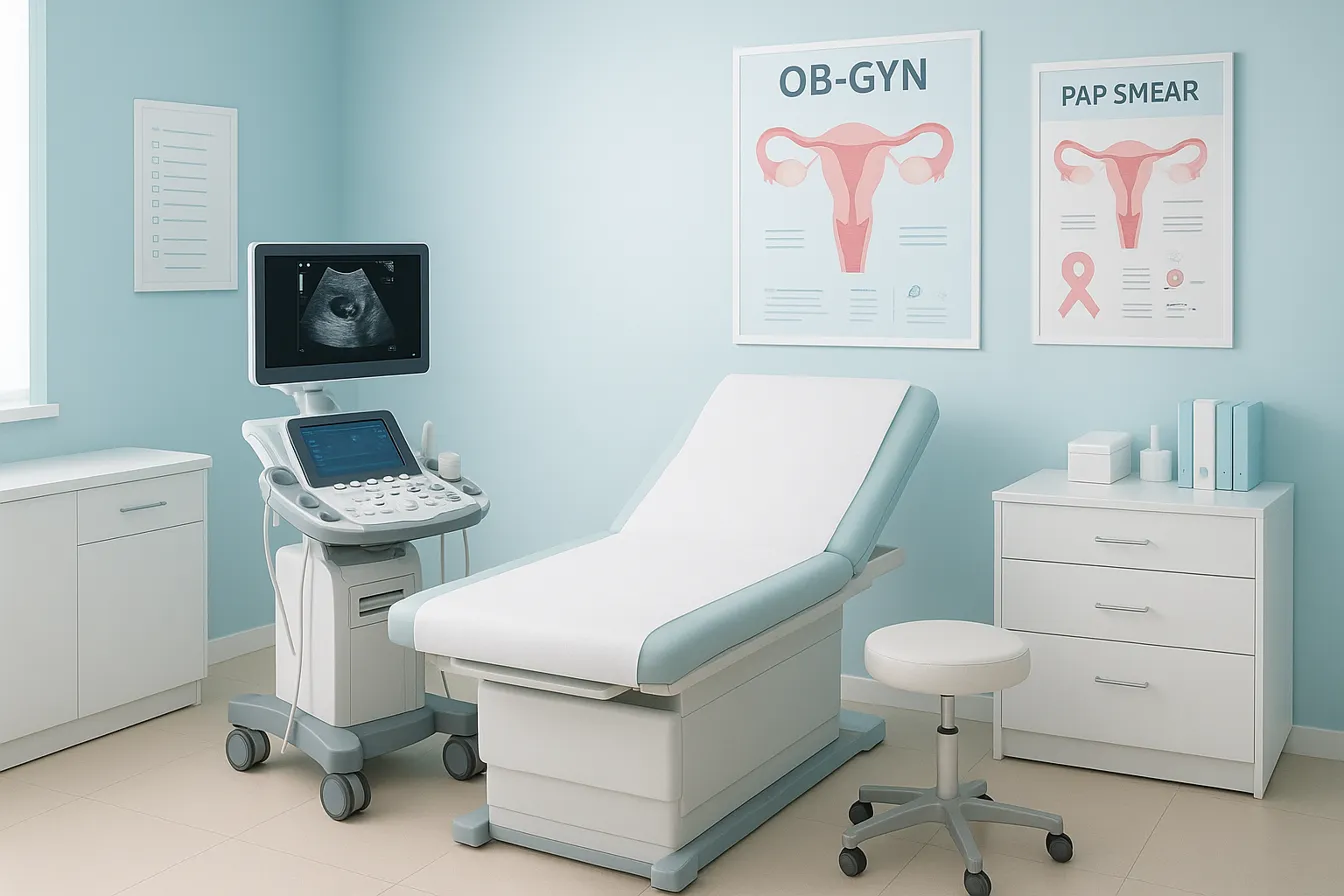
An annual gynecologic exam is a broad and thorough check-up that encompasses a pelvic exam, breast exam, and conversations about reproductive and overall health. This visit allows your healthcare provider to evaluate your reproductive system, detect infections, and discuss any symptoms or concerns you may have.
In contrast, a Pap smear is a specific diagnostic test performed during the pelvic exam portion of the gynecologic visit. It involves collecting cells from the cervix to screen for cervical cancer by identifying precancerous or cancerous changes. Although the Pap smear is an important part of gynecologic care, it is not a standalone procedure and is generally recommended every three years starting at age 21, based on individual risk and guidelines.
Together, these exams provide a comprehensive approach to monitoring women's health and early detection of cervical and other reproductive system diseases.
A standard OB-GYN exam includes several key elements:
Certain risk factors may prompt earlier or more frequent screenings, including:
Healthcare providers tailor screening plans based on these factors to ensure timely detection.
Early detection through screenings such as Pap smears and breast exams dramatically improves outcomes. Identifying precancerous changes or early-stage cancers allows for effective treatment, reducing morbidity and increasing survival rates. Routine gynecologic exams, combined with appropriate cancer screenings, play a vital role in maintaining women’s health and preventing advanced disease.

Women’s preventive care includes a range of crucial blood tests tailored by age and risk factors. Starting with young adulthood, a full blood count helps detect infections, anemia, and other blood disorders (Recommended Screening Guide for Healthy Women.
Regular screening for sexually transmitted infections is vital. This includes:
Assessments for vitamins and minerals may include:
Lab tests play a fundamental role in identifying early markers for chronic diseases like diabetes and cardiovascular disease, enabling timely lifestyle or medical interventions to reduce long-term risks (Recommended Screening Guide for Healthy Women.
Providers customize screening frequency and tests based on family history, existing conditions, medications, and lifestyle, ensuring personalized preventive care (Well-woman visit overview.
Regular blood and laboratory testing, combined with healthy lifestyle choices, form the foundation of effective preventive care in women, promoting early detection and appropriate management of health risks (Health screenings for women 18 to 39.

Vaccinations are a vital part of women's preventive health, protecting against infectious diseases and certain cancers throughout life.
Vaccinations help prevent serious infections and cancers, reducing illness burden and healthcare costs. HPV vaccination markedly lowers cervical cancer rates, while annual flu and COVID-19 vaccines protect against outbreaks and severe disease.
Most Marketplace and private insurance plans cover recommended vaccines at no cost when delivered in-network, including HPV, flu, Tdap, and shingles vaccines. Annual well-woman visits provide opportunities to review immunization status.
Pregnant women should receive Tdap and flu vaccines to protect themselves and their babies. Older women benefit from the shingles vaccine and pneumococcal vaccines, with schedules personalized by healthcare providers.
Women are encouraged to consult their healthcare providers regularly to update vaccine status and receive personalized advice based on age, pregnancy status, health conditions, and lifestyle risks. This ensures timely immunization and optimal preventive care.

Preventive care is a comprehensive approach that includes health screenings, vaccinations, and lifestyle modifications. Health screenings detect potential issues early through annual physicals, cancer screenings, blood pressure, and cholesterol checks. Vaccinations protect against infectious diseases and help maintain community health. Lifestyle modifications focus on diet, exercise, and managing chronic conditions to lower risks of heart disease, diabetes, and hypertension.
Healthy eating, regular physical activity, and maintaining a healthy weight form the foundation of disease prevention. These lifestyle habits reduce risk factors for chronic conditions and support overall well-being. Counseling on nutrition and exercise is a critical component of preventive visits to encourage sustainable, healthy choices.
Providers routinely screen for tobacco use and offer cessation support, as tobacco increases risks for many illnesses. Counseling on alcohol use helps women identify patterns that could harm health. Mental health screening is equally important to detect conditions like anxiety and depression early, ensuring timely support and intervention.
Effective preventive care addresses reproductive goals to tailor healthcare appropriately. Discussion about contraception, pregnancy planning, and sexual health enables personalized care. Annual screening for intimate partner and domestic violence helps identify risks and connect women with essential resources for safety.
Menopause brings physical and emotional changes warranting attention during preventive visits. Open dialogue about symptoms, mood changes, and mental health facilitates management strategies that improve quality of life.
Through regular counseling and screenings, women gain the knowledge and tools to make informed health decisions. Preventive care fosters early detection and wellness, reducing complications and supporting a healthier lifespan. This holistic approach empowers women to proactively maintain both physical and emotional health throughout life.
Women are encouraged to discuss these lifestyle and counseling topics during their annual well-woman visits to ensure comprehensive support and personalized care tailored to their unique needs.
Regular well-woman visits are crucial for maintaining health, early detection of conditions, and managing risks. These annual checkups offer physical exams, screenings, and immunizations tailored to individual needs and life stages. Consistent care helps identify issues like hypertension, diabetes, cancers, and mental health concerns before symptoms arise.
Open dialogue with healthcare providers ensures screenings and interventions align with personal health history, family risks, and lifestyle factors. Patients and providers collaborate to decide appropriate timing and frequency of tests such as mammograms, Pap smears, and others, enhancing effectiveness and reducing unnecessary procedures.
Adhering to recommended schedules for blood pressure checks, cancer screenings, sexually transmitted infection tests, and vaccinations is vital. Updates to immunization status—including flu, COVID-19, HPV, and tetanus boosters—contribute to comprehensive health protection.
Women are encouraged to embrace preventive care as a proactive tool for wellbeing. By engaging in recommended screenings, adopting healthy lifestyles, and maintaining regular healthcare visits, women empower themselves to optimize long-term health outcomes and quality of life.

.png)
%201.png)
Compassionate care for every stage of womanhood. Visit one of our convenient locations or book your appointment online today.