Protecting Ovarian Health: Signs, Symptoms, and Proactive Care
What Every Woman Should Know About Ovarian Health
Protecting Ovarian Health: Signs, Symptoms, and Proactive Care
Follow us here:


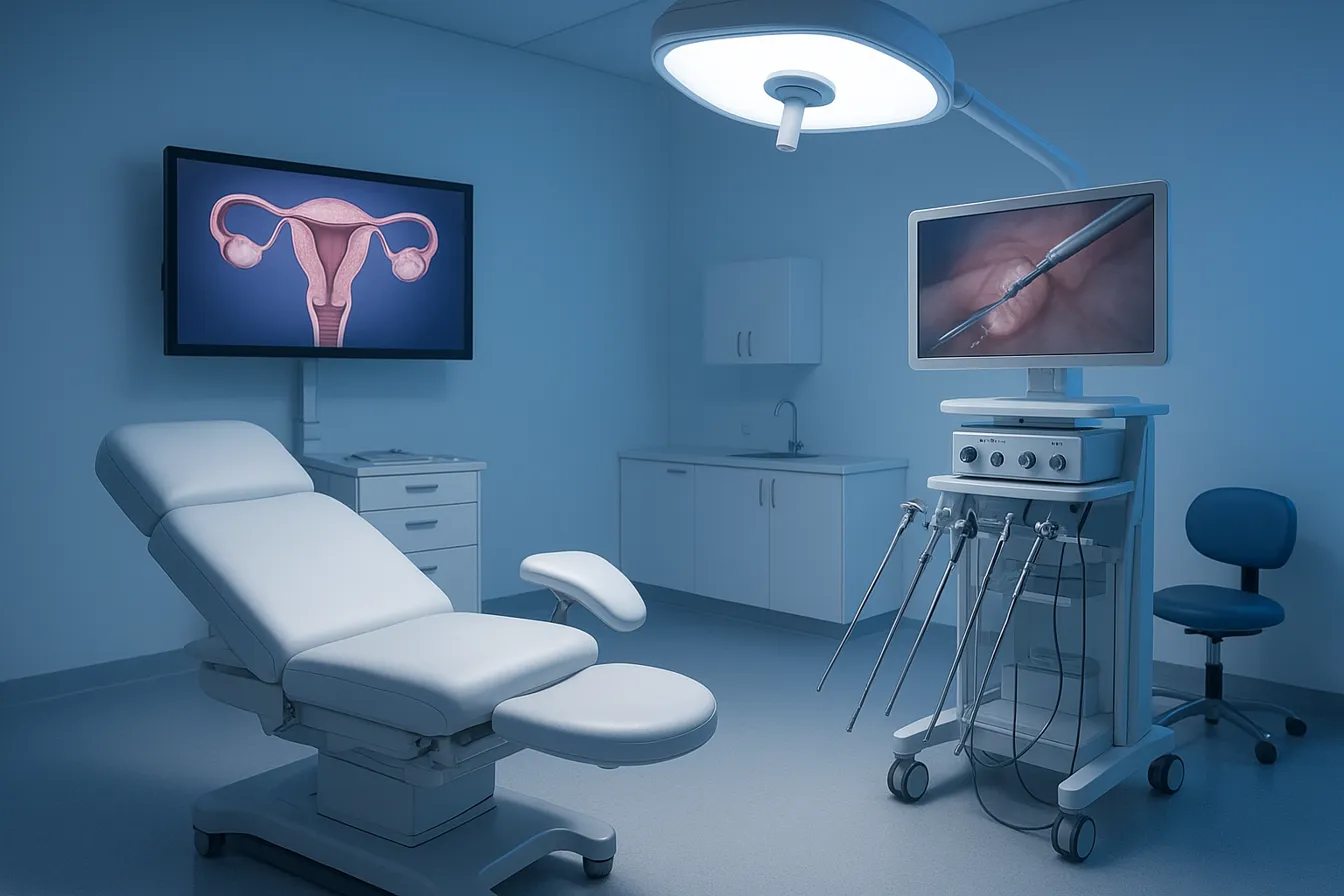
Minimally invasive gynecologic surgeries (MIGS) involve small incisions—typically less than an inch—or no skin cuts at all. These procedures, including laparoscopic, hysteroscopic, vaginal, and robotic surgeries, reduce pain, blood loss, and scarring, leading to quicker recoveries and shorter hospital stays.
Advancements such as the da Vinci Surgical System provide 3D high-definition views and enhanced instrument precision. These innovations allow surgeons to perform complex procedures with greater accuracy, resulting in fewer complications, less trauma to tissues, and improved fertility preservation.
There is an increasing focus on individualized treatment, offering women options like robotic surgery or incisionless procedures for conditions such as fibroids and endometriosis. This patient-centered approach supports faster healing, reduced risk, and aligns with women’s preferences for less invasive, effective treatments that enable a quicker return to daily life.
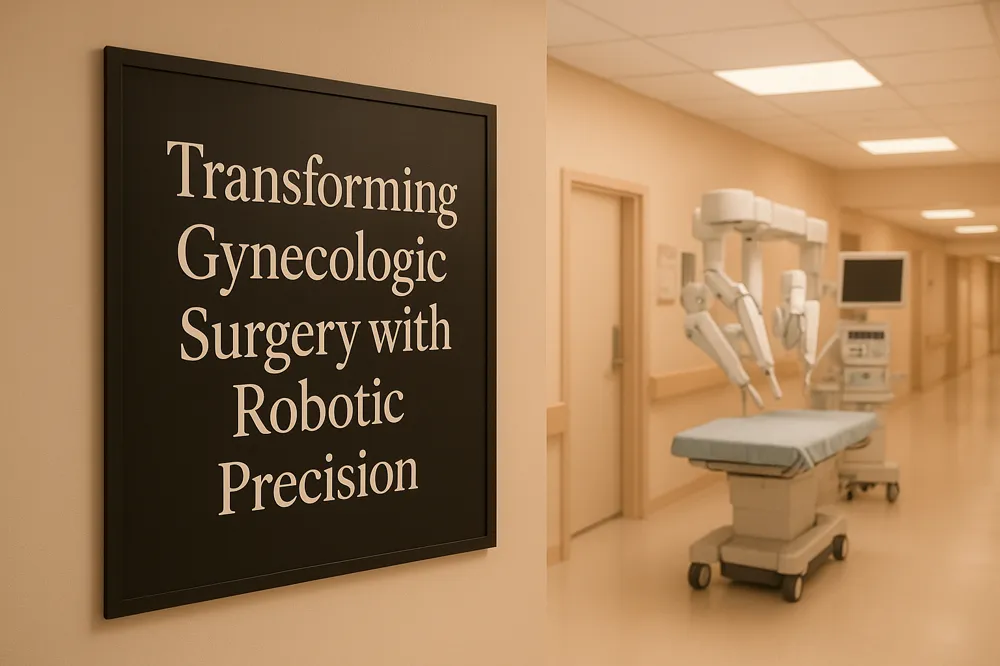
Minimally invasive gynecologic surgery involves performing procedures through very small incisions, usually less than an inch. This technique uses specialized instruments and advanced technology, such as cameras and robotic systems, to treat various gynecologic conditions effectively with minimal trauma to the body.
Robotic-assisted surgery employs sophisticated platforms like the da Vinci Surgical System. This system provides surgeons with a 3D high-definition view and wristed instruments that mimic the human hand but offer greater dexterity and precision than traditional laparoscopic tools. The da Vinci system enhances surgeon control and allows for delicate maneuvers in tight pelvic spaces.
Robotic surgery improves accuracy during complex gynecologic procedures such as hysterectomies, myomectomies, and endometriosis excisions. The system’s tremor filtration, advanced articulation, and magnified vision enable surgeons to remove diseased tissue precisely while preserving healthy tissue, which is particularly important for fertility-sparing surgeries.
Learn more about robotic surgery for complex gynecologic conditions.
Patients undergoing robotic-assisted gynecologic surgeries benefit from significantly less pain compared to traditional open surgeries. Recovery times are shortened, often allowing return to normal activities within one to two weeks. The small incisions also lead to minimal scarring, reduced blood loss, lower infection risk, and shorter hospital stays.
See details on benefits of minimally invasive gynecologic surgeries including robotics.
Robotic techniques are widely used for hysterectomies to treat uterine fibroids, abnormal bleeding, and adenomyosis. Robotic myomectomy allows for precise removal of fibroids with uterus preservation, supporting future fertility. For endometriosis, robotic surgery offers more complete lesion removal, reducing recurrence and improving outcomes for pain and fertility.
Explore more about robotic gynecologic surgeries for hysterectomy, myomectomy, and endometriosis treatment.
This advanced minimally invasive gynecologic surgery approach represents an important evolution in gynecologic surgery, improving safety, enhancing patient experience, and supporting faster return to daily life.

vNOTES is a cutting-edge minimally invasive gynecologic procedure that accesses the pelvic and abdominal cavities through a small incision made high in the apex of the vagina. This approach provides surgeons with a natural orifice to perform procedures without making any visible cuts on the abdomen.
Unlike traditional surgeries that require abdominal incisions, vNOTES utilizes the vaginal opening for surgical access, completely eliminating the need for external skin incisions. This results in no visible scars, which is often a significant consideration for many women concerned about cosmetic outcomes.
vNOTES is versatile and can be used for a variety of gynecologic surgeries including:
This technique allows for the effective management of these conditions while preserving tissue and minimizing invasiveness.
The vaginal incision in vNOTES promotes faster healing compared to abdominal incisions. Patients typically experience reduced postoperative pain and a lower risk of complications such as infections or hernias. The reduced trauma and precise surgical access contribute to shorter recovery times, allowing women to return to their daily activities more quickly.
These advantages make vNOTES an appealing option within the expanding spectrum of minimally invasive gynecologic surgeries. Leading institutions like UCLA Health are pioneering the implementation of vNOTES, highlighting its importance as a future-oriented surgical approach that prioritizes patient comfort and improved outcomes.
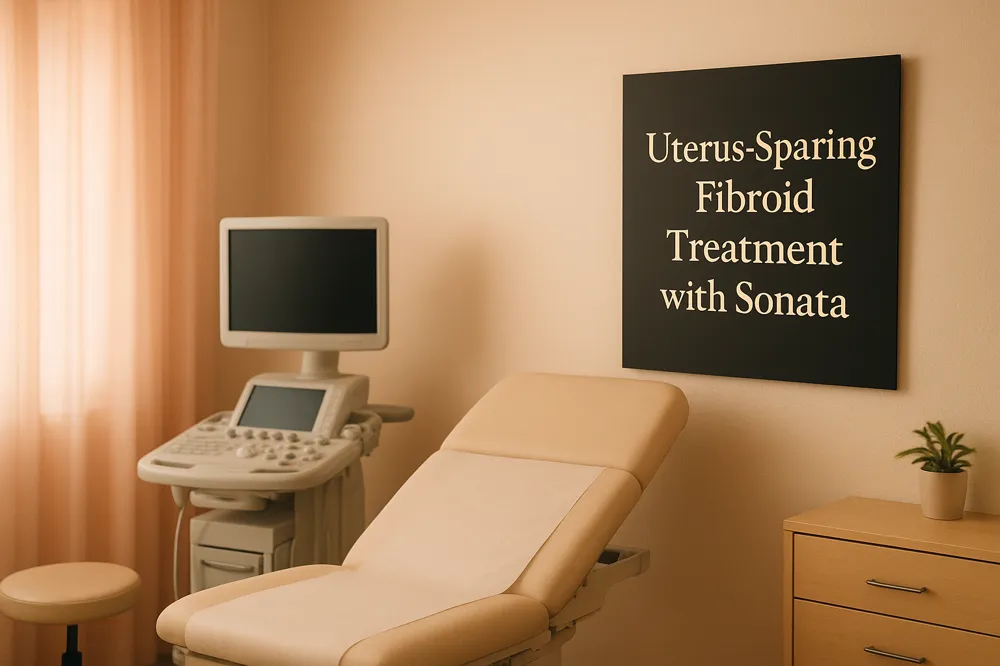
The Sonata fibroid treatment is an incisionless, ultrasound-guided technique for treating uterine fibroids through the cervix. This innovative method uses radiofrequency energy delivered via a small device inserted transcervically, allowing precise targeting and destruction of fibroid tissue without any skin incisions.
Unlike traditional surgical options that may involve uterus removal, the Sonata procedure clinical outcomes selectively destroys only the fibroid tissue. This uterus-preserving approach supports fertility goals and reduces surgical risks associated with more invasive procedures.
Clinical studies have shown significant symptom improvement, with nearly 90% of women experiencing reduced heavy menstrual bleeding within three months, which increases to 95% at one year. It also alleviates other fibroid-related symptoms such as pelvic pain, pressure, urinary issues, and constipation, improving overall quality of life.
The Sonata fibroid treatment duration procedure typically takes between 15 minutes to one hour and is performed under sedation without incisions. Patients often return to normal activities rapidly, usually by the next day, with an average return to work within two days. This quick recovery minimizes disruption to daily life and reduces healthcare costs.
Recent advancements in Minimally invasive gynecologic surgeries include the use of high-definition imaging, Pioneering robotic surgery in gynecology, and precision instrumentation that enhance surgical accuracy while minimizing tissue disruption. Techniques such as Laparoscopic surgery hysterectomy and Myomectomy surgery now benefit from enhanced visualization and dexterity, reducing complications and promoting quicker recovery. Robotic surgery, in particular, allows for complex procedures like Endometriosis treatment or ovarian cyst removal to be performed with greater precision and control. Additionally, the development of advanced endoscopic procedures enables less invasive management of conditions like fibroids and pelvic organ prolapse. Overall, these cutting-edge Minimally invasive gynecologic procedures offer significant benefits, including less pain, minimal scarring, and faster return to normal activities.

Laparoscopic radiofrequency ablation is a minimally invasive gynecologic surgery technique used to treat uterine fibroids and heavy menstrual bleeding. Unlike traditional surgeries like myomectomy surgery or hysterectomy methods, this procedure uses heat energy delivered through a laparoscopic surgery device to shrink fibroid tissue.
Using small incisions less than an inch, surgeons insert a laparoscopic device that generates radiofrequency energy. This energy heats the fibroid tissue, causing it to contract and diminish in size while preserving surrounding healthy tissue.
Women suffering from symptomatic fibroids or heavy menstrual bleeding who desire uterine preservation may benefit from this less invasive option.
This technique is increasingly available at leading gynecology centers and offers a safe, effective alternative for women seeking relief without extensive surgery.

hysteroscopic surgery is a Minimally invasive gynecologic surgery technique that allows doctors to inspect and treat the inside of the uterus without making any skin incisions. Using a thin, lighted scope called a Hysteroscopic Surgery inserted through the vagina and cervix, surgeons can directly visualize the uterine cavity with precision. This approach reduces trauma compared to open surgery, with less pain, minimal scarring, and shorter recovery periods.
hysteroscopy is commonly used to diagnose and remove uterine fibroids, polyps, and intrauterine adhesions (scar tissue). These conditions can cause symptoms such as abnormal bleeding, infertility, or pelvic pain. The procedure allows for precise removal or correction of such abnormalities directly under visual guidance, improving patient outcomes while preserving the uterus when possible.
Another important application of hysteroscopic surgery is Endometrial ablation, a treatment used to reduce or stop heavy menstrual bleeding. Through the hysteroscope, surgeons can destroy the lining of the uterus in a controlled manner, offering relief to patients who do not respond well to medication or who prefer to avoid hysterectomy.
Most hysteroscopic surgeries are performed on an outpatient basis, meaning patients can go home the same day. The minimally invasive nature allows for rapid recovery, often within days, and many women return quickly to their normal activities. This makes hysteroscopy an efficient, patient-friendly option in managing various uterine conditions.
In addition to hysteroscopy, other important diagnostic investigations in gynecology include physical exams such as speculum and bimanual examinations, and imaging like ultrasound. Procedures like hysterosalpingography help evaluate fertility by imaging the uterine cavity and fallopian tubes. Pap smears, cervical biopsies, and endometrial biopsies are essential for detecting precancerous and cancerous changes or investigating abnormal uterine bleeding.
| Aspect | Description | Benefits |
|---|---|---|
| Visualization | Hysteroscopy procedures visualizes the uterine cavity without incisions | Precise diagnosis and treatment |
| Treatment targets | Fibroids, polyps, intrauterine adhesions | Symptom relief with uterine preservation |
| Endometrial ablation | Controlled destruction of uterine lining to manage heavy bleeding | Less invasive alternative to hysterectomy |
| Recovery | Outpatient procedure with minimal downtime | Quick return to daily activities |
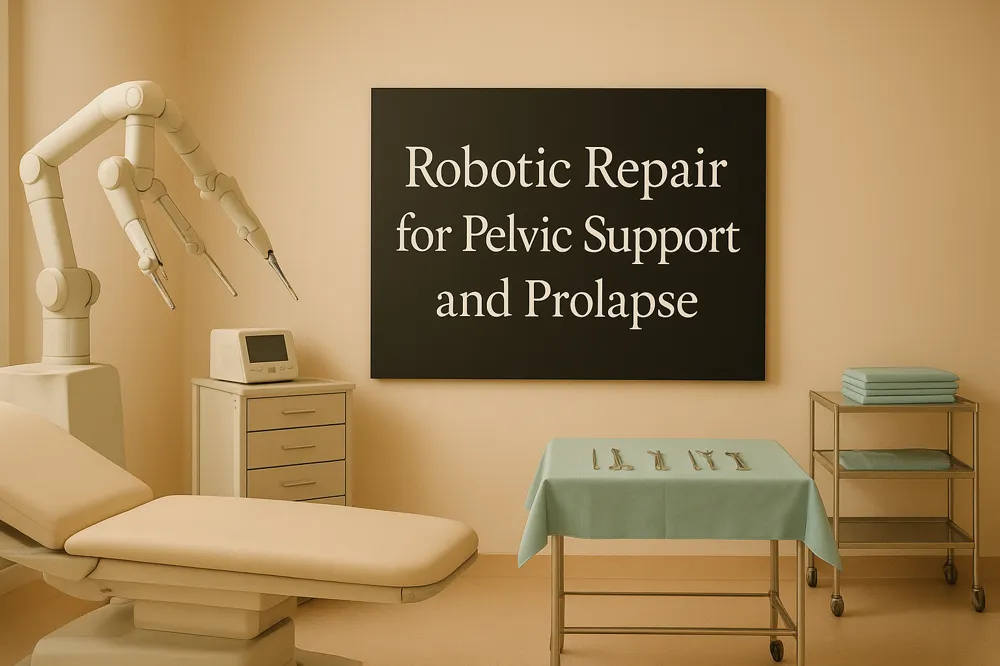
Robotic sacrocolpopexy is a minimally invasive gynecologic surgery technique used to repair and provide support for pelvic organ prolapse. This procedure utilizes robotic assistance, typically with systems like the da Vinci Surgical System, allowing surgeons to perform the surgery through small incisions with enhanced precision.
Using robotic assistance offers several advantages compared to traditional open surgery. The minimally invasive approach results in smaller incisions, which leads to reduced tissue trauma and less scarring. Patients typically experience less post-operative pain and can enjoy a faster recovery with minimally invasive surgery, often returning to normal activities within one to two weeks.
Robotic sacrocolpopexy effectively restores pelvic support by reattaching the prolapsed organs to the sacrum using mesh reinforcement. The procedure improves both anatomical positioning and functional outcomes, addressing symptoms such as urinary incontinence, pelvic pressure, and discomfort.
Due to the precision and advanced visualization of robotic equipment, surgeons can achieve superior accuracy during dissection and placement. This precision reduces the risk of complications and enhances long-term success rates. As a result, patients benefit from durable repair, reduced postoperative complications, and improved quality of life.
The use of robotic sacrocolpopexy exemplifies the advancements in minimally invasive gynecologic surgery by combining technological innovation with patient-centered gynecologic care to treat complex urogynecologic conditions effectively.
Minimally invasive surgery in gynecology is a modern surgical approach that uses small incisions—typically less than an inch—to perform procedures with specialized tools and cameras. Common techniques include hysteroscopy, which allows doctors to see inside the uterus and treat issues like fibroids or polyps without any external incisions.
Another approach, laparoscopy, involves small cuts in the abdomen to treat conditions such as endometriosis, ovarian cysts, and fibroids. This technique causes less tissue damage than traditional open surgery. Robotic surgery, often using the da Vinci Surgical System, provides surgeons with enhanced precision, 3D high-definition visualization, and greater flexibility, making it possible to safely perform complex operations with minimal trauma.
These techniques represent a shift toward less invasive care in gynecology, allowing for effective treatments with fewer complications.
Minimally invasive gynecologic surgeries offer many benefits to patients. Because they involve smaller incisions, patients typically experience less pain and reduced blood loss during surgery. The smaller cuts mean less scarring and a significantly lower risk of infection.
Hospital stays are generally shorter—often outpatient or just one-night stays—leading to quicker recovery. Most women return to their normal activities within one to two weeks, compared to six weeks or more following open surgeries.
Additional advantages include decreased overall costs and faster relief from symptoms such as heavy bleeding and pelvic pain. These minimally invasive options also support fertility preservation when applicable. High-definition cameras and robotic assistance help ensure precise treatment while minimizing damage to surrounding tissues.
In sum, minimally invasive gynecologic surgery has transformed care by prioritizing patient comfort, safety, and faster healing, improving quality of life for women facing a range of gynecologic conditions.
Advanced gynecological care refers to specialized medical services addressing complex reproductive health issues beyond routine exams. It manages conditions such as gynecologic cancers, fibroids, endometriosis, and chronic pelvic pain with personalized treatment plans tailored to each woman's needs.
These services include advanced diagnostics, hormone therapies, fertility treatments, and menopausal symptom management. The care focuses on comprehensive, holistic approaches serving women across all life stages.
Women with complicated gynecologic conditions like deep infiltrating endometriosis or large fibroids receive individualized care. Multidisciplinary collaboration with pelvic pain specialists, urogynecologists, and others ensures thorough treatment addressing all aspects of health. Minimally invasive gynecologic surgery emphasizes the importance of collaboration with pelvic pain specialists, urogynecologists, and gastroenterologists for complex endometriosis cases.
Minimally invasive gynecologic surgeries such as Laparoscopic surgery, Robotic gynecologic surgeries, Hysteroscopic surgery, and vaginal procedures are central to advanced care. These techniques utilize small incisions or natural orifices, leading to less pain, faster recovery, reduced scarring, and shorter hospital stays. Robotic systems like the da Vinci Surgical System enable highly precise surgeries for complex cases.
The integration of these innovative surgical methods improves outcomes while prioritizing patient comfort and a swift return to daily life.
Recent advancements in gynecology are reshaping patient care through the integration of artificial intelligence (AI) and robotic-assisted technologies. AI plays a pivotal role in enhancing diagnostic accuracy, particularly in cervical cancer screening, enabling earlier detection and improving outcomes. Moreover, AI-driven predictive algorithms are improving fertility treatment success, such as in vitro fertilization (IVF) (Digital health technologies for women's health).
Robotic-assisted surgery, exemplified by the da Vinci Surgical System, allows gynecologic surgeons to perform Minimally invasive gynecologic surgeries with heightened precision and control. These robotic technologies reduce complications, lower blood loss, and shorten recovery times, thereby elevating patient experiences.
Mobile health applications have equally empowered women to take control of their health by tracking menstrual cycles, monitoring pregnancy progress, and identifying early warning signs through pattern recognition. These digital tools foster active engagement and timely interventions.
Robotic systems equipped with 3D visualization and wristed instruments allow for intricate surgeries such as hysterectomies, myomectomies, and endometriosis excision with minimal tissue trauma (robotic surgery in gynecology). AI aids by analyzing imaging data and patient history to customize treatment plans (Digital health technologies for women's health. The synergy between robotics and AI enhances surgical precision and postoperative outcomes.
Mobile apps designed for women's health research offer accessible platforms for monitoring reproductive health metrics and facilitating telehealth communication. These tools increase accessibility for diverse populations, including those in low-resource settings, bridging gaps in care.
Looking forward, the fusion of AI, wearable technology, and genomic data will advance precision medicine in gynecology. Personalized treatment regimens based on individual biological and lifestyle factors will become standard, optimizing effectiveness and minimizing side effects (Digital health technologies for women's health. This evolution promises to transform women’s healthcare toward more tailored, proactive, and equitable solutions.
The continued incorporation of advanced technology in Minimally invasive gynecologic surgeries heralds a new era defined by improved diagnostics, treatment customization, and enhanced patient empowerment.
Recovery after minimally invasive gynecologic surgery is typically swift and convenient. Most patients can expect to return home on the same day or within 24 hours of surgery. Activities such as work and daily routines often resume within 1 to 2 weeks, considerably faster than recovery times seen after traditional open surgeries.
Minimally invasive approaches use small incisions—generally under an inch—resulting in less tissue damage. This translates into significantly reduced pain, less bleeding, and a lower risk of infections. Patients benefit from minimal scarring and shorter hospital stays, often with same-day discharge or one-night observation. The quicker recoveries allow women to resume their normal lives rapidly, with fewer restrictions and less discomfort.
Leading institutions such as Stony Brook Medicine implement Enhanced Recovery After Surgery (ERAS) programs to support patients throughout their healing journey. These programs include multidisciplinary care integrating pain management, physical therapy, and nutritional support, all tailored to optimize recovery. With specialized surgeons and advanced technologies like robotic-assisted systems, patients receive personalized care that reduces complications and promotes a smoother, faster healing process.
Robotic hysterectomy represents a cutting-edge advancement in minimally invasive gynecologic surgery. This minimally invasive approach uses robotic systems, such as the da Vinci Surgical System, to perform the surgery through small incisions in the lower abdomen. The surgeon controls robotic arms equipped with high-definition 3D visualization and flexible instruments, allowing for unmatched precision.
Compared to traditional open hysterectomy, robotic hysterectomy offers multiple benefits. These include significantly less pain in MIGS, reduced blood loss, and minimal scarring due to the smaller incisions. The precision also lowers complication risks and enhances safety, especially for complex cases involving fibroid treatment options, treating endometriosis with MIGS, or pelvic organ prolapse and MIGS.
The robotic technique allows surgeons to remove the uterus, and sometimes ovaries, fallopian tubes, or cervix as needed. It usually involves making several small incisions less than an inch in size. Many patients can leave the hospital the same day or after a short stay. Recovery times are typically faster, with patients returning to normal activities within three to four weeks—much sooner than the six or more weeks often required after open surgery. These Benefits of MIGS emphasize reduced hospitalization and faster recovery.
Traditional open hysterectomy requires a larger incision, usually leading to more pain, increased blood loss, longer hospital stays, and slower recovery. Robotic hysterectomy minimizes tissue trauma and reduces hospital time, emphasizing a faster return to everyday life. This advancement aligns with the broader shift toward minimally invasive gynecologic surgeries, enhancing patient comfort and outcomes.
Leading medical centers, including Mayo Clinic gynecology and Johns Hopkins Medicine Gynecologic Surgery, have incorporated robotic hysterectomy into their services, continuously refining the technique to offer safer and more effective surgical options for women.
Minimally invasive gynecologic surgeries (MIGS) have revolutionized women’s health care by allowing treatments for conditions such as fibroids, endometriosis, pelvic pain, and abnormal bleeding with smaller incisions and less tissue damage. These techniques, including laparoscopy, hysteroscopy, robotic-assisted, and vaginal surgeries, significantly reduce recovery time and postoperative discomfort.
Advances like the da Vinci Surgical System provide surgeons with enhanced precision using 3D high-definition visualization and wristed instruments. Emerging procedures such as vaginal natural orifice transluminal endoscopic surgery (vNOTES) and transcervical radiofrequency ablation (Sonata) offer incision-free or nearly scarless treatment options, prioritizing patient comfort and faster healing.
New technologies like AI-guided surgery, fluorescence imaging, and minimally invasive hydrogels are poised to improve surgical accuracy, reduce complications, and preserve fertility. These evolving approaches support personalized care, allowing women to return to their normal routines quickly while maintaining high safety and satisfaction rates.

.png)
%201.png)
Compassionate care for every stage of womanhood. Visit one of our convenient locations or book your appointment online today.