
Inside Hysteroscopy: What Patients Should Know
Understanding Hysteroscopy: A Closer Look at Uterine Health
Inside Hysteroscopy: What Patients Should Know
Follow us here:


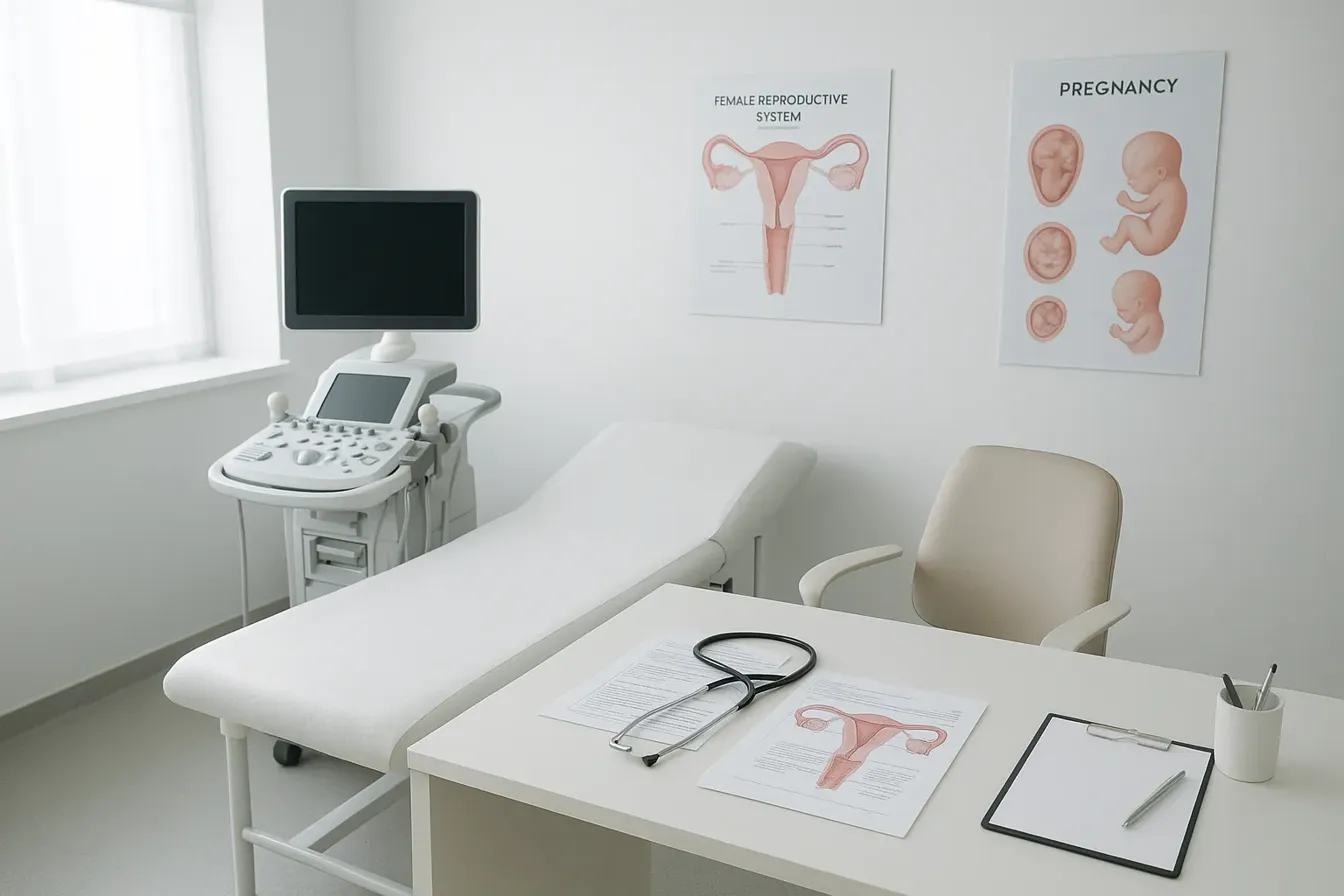
Birth control, also known as contraception, encompasses various methods, medicines, or devices designed to prevent pregnancy. Its primary purpose is to empower individuals to decide if and when to have children.
Birth control prevents pregnancy through multiple mechanisms:
Birth control methods fall into several categories:
Choosing the right birth control depends on individual factors such as age, health status, reproductive goals, cultural beliefs, lifestyle, and protection needs against sexually transmitted infections (STIs). Personalized consultations with healthcare providers help tailor options to each person's unique circumstances, ensuring effective and safe contraception that fits their life.
Understanding these aspects allows individuals to make informed choices and effectively manage their reproductive health.

birth control methods fall into several main categories to suit different needs and lifestyles.
Barrier Methods: These include male condoms and female condoms, diaphragms, cervical caps, contraceptive sponges, and spermicides. They work by physically blocking sperm from entering the uterus. Condoms uniquely also offer protection against sexually transmitted infections (STIs).
Hormonal Methods: These use synthetic hormones to prevent pregnancy by stopping ovulation, thickening cervical mucus, or altering the uterine lining. Varieties include birth control pills (combination and progestin-only), vaginal rings, skin patches, injections (such as Depo-Provera), and implants (like Nexplanon).
Long-Acting Reversible Contraceptives (LARCs): This group includes intrauterine devices (IUDs) that are either copper-based (non-hormonal) or hormonal (such as Mirena and Skyla), and contraceptive implants inserted under the skin. They provide effective contraception ranging from 3 to 10 years and require minimal user action after placement.
Permanent Sterilization Options: Surgical methods such as tubal ligation for women and vasectomy for men offer nearly 100% effective permanent contraception but do not protect against STIs.
Natural and Fertility Awareness Methods: These include tracking basal body temperature, cervical mucus, and calendar methods to identify fertile days. Withdrawal (pull-out method) also falls under this category, but these methods require diligent use and have higher failure rates than other forms.
Condoms are the only birth control that also reduce the risk of most STIs, including HIV. Other barrier methods do not provide STI protection, so dual use with condoms is recommended for protection against infections.
Hormonal methods vary in application and frequency of use:
IUDs and implants have the highest effectiveness rates among reversible methods—over 99%—and do not require daily user intervention. Hormonal IUDs may also reduce heavy menstrual bleeding.
Tubal ligation and vasectomy are surgical methods intended for those certain they do not want future pregnancies. While highly effective, they are considered permanent and irreversible in most cases.
These methods demand dedication and consistent monitoring but offer hormone-free contraception. Their effectiveness ranges widely and they do not protect against STIs.
Choosing the right birth control method involves considering personal health, reproductive goals, lifestyle, side effects, and STI risk. Consultation with healthcare providers is essential to select a method tailored to individual needs.

Common birth control pills are broadly categorized into combination pills and progestin-only pills. Combination pills contain both estrogen and progestin hormones, while progestin-only pills, often called minipills, include only progestin. Popular combination pill brands include Yasmin®, Yaz®, and Levlen®, which differ in hormone dosage and the structure of the pill cycle. For example, typical cycles may involve 21 or 24 active hormone pills followed by placebo pills to allow menstruation. Extended-cycle pills like Seasonale® reduce the frequency of periods, offering fewer menstrual cycles per year.
Progestin-only pills such as Camila® are intended for people who may have contraindications to estrogen, including breastfeeding mothers or those with certain health risks. These pills strictly require taking at the same time daily for effectiveness. Differences among these pills encompass hormone type and dose, frequency of bleeding or periods, and particular side effect profiles. For instance, some formulations are preferred for acne management, while others suit individuals sensitive to estrogen.
Brands such as Yasmin®, Yaz®, and Levlen® offer varying hormone compositions and cycle lengths to accommodate different needs. Extended regimens like Seasonale® allow for quarterly bleeding rather than monthly, which some find convenient. Progestin-only brands focus on steady, daily dosing without inactive pills.
Effectiveness of birth control pills is highest (around 99%) with perfect use, meaning consistent, daily intake at the same time. Typical use drops effectiveness due to missed pills or inconsistent timing, which can lead to an estimated 9% failure rate. Adherence is therefore crucial for reliable birth control effectiveness.
Beyond contraception, birth control pills often help regulate menstrual cycles, reduce menstrual cramps, and alleviate symptoms of premenstrual syndrome. Some formulations also improve acne and reduce risks of ovarian, uterine, and colon cancers over the long term.
Individuals sensitive to estrogen, with history of blood clots, migraines with aura, or breastfeeding, may be advised to use progestin-only pills. Consulting with a healthcare provider ensures the choice matches personal health history and lifestyle preferences.
| Aspect | Combination Pills | Progestin-Only Pills (Minipill) | Notes |
|---|---|---|---|
| Hormones Included | Estrogen + Progestin | Progestin only | Progestin-only favored for estrogen sensitivity |
| Cycle Types | 21- or 24-day active + placebo; extended cycles available | Daily active pills, no placebo | Extended cycles reduce frequency of periods |
| Effectiveness (Typical Use) | About 91% (contraceptive safety and effectiveness) | About 91% (contraceptive safety and effectiveness | Both highly effective if taken correctly |
| Key Side Effects | Breast tenderness, nausea, spotting | Irregular bleeding, strict timing needed | Side effects differ and affect choice |
| Additional Benefits | Acne control, menstrual regulation | Suitable for breastfeeding, fewer clot risks |

The most effective birth control options are the long-acting reversible contraceptives (LARCs), including hormonal intrauterine systems (IUS), copper intrauterine devices (IUDs), and contraceptive implants. These methods have a typical-use pregnancy prevention rate exceeding 99%, making them highly reliable choices. Permanent sterilization methods, such as tubal ligation and vasectomy, also provide nearly 100% effectiveness but are irreversible.
Hormonal injections, administered every three months, offer about 94% effectiveness with typical use. Short-acting hormonal methods like birth control pills, vaginal rings, and skin patches have a lower typical-use effectiveness around 91%, largely influenced by user adherence.
Barrier methods, including male condoms, typically achieve about 82% effectiveness in preventing pregnancy with typical use. While less effective at preventing pregnancy compared to hormonal or LARC methods, condoms are unique in providing protection against sexually transmitted infections (STIs) and are recommended for dual protection when STI prevention is needed.
Effectiveness statistics distinguish between typical use—which accounts for human error and inconsistent use—and perfect use—where the method is used exactly as prescribed every time. For example, combined oral contraceptives demonstrate about 91% effectiveness with typical use but can reach up to 99% with perfect adherence.
Contraceptive effectiveness strongly depends on consistent and correct use, especially for methods requiring regular user action, like pills or barrier methods. LARCs and sterilization minimize user dependency, resulting in lower pregnancy rates and fewer user errors. Therefore, choosing a method aligned with one’s lifestyle and ability to maintain consistent use is critical to preventing unintended pregnancy.
Only condoms (male and female) offer dual protection against both pregnancy and sexually transmitted infections, including HIV. Using condoms in combination with another contraceptive method enhances both pregnancy prevention and STI protection.
In summary, when selecting birth control, understanding effectiveness rates—including typical versus perfect use—and considering lifestyle factors that influence correct and consistent use will help optimize contraception outcomes and health safety.

Side effects vary considerably depending on the birth control methods used. Hormonal methods like birth control pills, patches, and vaginal rings often cause transient side effects such as mood changes, headaches, nausea, breast tenderness, spotting, and temporary bloating. These usually improve within a few months of use. Progestin-only methods including the minipill, hormonal IUDs, implants, and the birth control shot may lead to irregular bleeding or spotting. The shot, in particular, may be associated with weight gain in some users, possibly due to increased appetite.
Non-hormonal options present different side effects. For example, copper IUDs can initially cause increased menstrual cramping and heavier bleeding. Barrier methods generally have fewer systemic side effects but require proper use to be effective. Rare but serious complications such as blood clots are more commonly linked with estrogen-containing hormonal contraceptives.
Long-term use of birth control pills is considered safe for most women but carries some risks that warrant discussion with a healthcare provider. Key long-term concerns include a slightly increased risk of blood clots (venous thromboembolism) and elevated blood pressure. While rare, there is also a minor increased risk of some cancers, though birth control pills have protective effects against ovarian and endometrial cancers.
Emerging research has indicated that hormonal contraceptives may influence stress responses and inflammatory processes, potentially affecting mood and increasing susceptibility to cardiovascular or autoimmune diseases in individuals with underlying vulnerabilities. Some users experience mood changes or depressive symptoms.
Despite these potential risks, the overall benefit-risk balance often favors birth control pill use when selected appropriately and monitored correctly. Health professionals tailor recommendations based on individual medical history and risk factors.
Weight gain is a common concern among birth control users, particularly related to the birth control shot (Depo-Provera), which may lead to an average of around five pounds gained over a year, likely linked to increased appetite signals in the brain. However, extensive studies have not shown a causal link between most other hormonal methods and significant weight gain. Normal weight fluctuations are common and not typically caused by contraceptive methods.
Healthcare providers play a vital role in individualizing birth control choices, guiding users through potential side effects, and managing any adverse reactions. They assess personal and family medical histories to identify risks such as clotting disorders or cardiovascular disease that might contraindicate certain hormonal contraceptives. Open communication ensures early identification of issues, allowing switches to alternative methods if needed. Providers also educate patients on what side effects to expect, their typical duration, and when to seek medical attention.
Overall, informed counseling and regular follow-up optimize safety and satisfaction with birth control use.
Non-hormonal birth control methods offer alternatives to hormonal methods, catering to those who prefer or require hormone-free contraception due to health concerns, lifestyle, or personal preference.
These methods broadly include:
The copper IUD is a highly reliable, long-acting, reversible contraceptive with over 99% effectiveness. As a hormone-free device, it is suitable for women sensitive to hormones or breastfeeding. In addition to its contraceptive benefits, it can also serve as emergency contraception if inserted within five days of unprotected sex. Potential side effects include heavier menstrual bleeding and cramps initially, but it does not carry risks associated with hormonal methods.
Barrier methods physically prevent sperm from entering the uterus and vary in effectiveness, typically ranging from about 70% to 90% with typical use. male condoms are especially notable for their dual function: alongside pregnancy prevention with about 85% effectiveness, they also offer the best protection against sexually transmitted infections (STIs). Other barrier methods generally do not protect against STIs and require consistent, correct usage to maximize effectiveness.
Natural family planning requires diligent daily monitoring and understanding of one’s fertility signals. Due to the challenges in accurate cycle tracking and variation, these methods have higher failure rates—estimated between 75% to 88% effectiveness with typical use. They offer no protection against STIs and require dedication to be used effectively.
Here, individual health profiles and lifestyle factors are paramount. Non-hormonal methods are preferable for those:
Consultation with a healthcare provider is recommended to assess personal suitability, preferences, and to ensure correct usage, particularly for devices like IUDs and fitting of barrier methods.
Effective contraception supports both reproductive goals and overall wellbeing by aligning method choice with individual health and lifestyle needs.
Gentle birth control methods tend to be those with minimal hormonal influence or localized hormone release. Low-dose combination pills and ultra-low-dose progestin-only pills are often chosen because they provide the smallest hormonal dose, reducing common side effects like nausea or headaches.
Hormonal IUDs are another gentle option since they release hormones locally within the uterus, thereby minimizing systemic hormone exposure. This localized action often leads to fewer side effects and can help reduce heavy or painful periods.
Non-hormonal alternatives, such as the copper IUD and barrier methods like condoms and diaphragms, do not involve hormones at all, making them appealing especially for individuals sensitive to hormonal changes.
Short-acting hormonal methods such as the vaginal ring or patch also use relatively low doses of hormones and can be gentler while maintaining effectiveness.
Choosing the most appropriate method should involve a thorough discussion with a healthcare provider to match birth control options with individual health profiles and lifestyles for optimal safety and comfort.
Hormonal birth control can influence mood and emotional well-being by altering natural hormone levels that regulate neurotransmitters like serotonin and dopamine in the brain.
Some users experience positive effects, including reduced premenstrual symptoms and more stable moods due to regulated menstrual cycles. Conversely, others may face challenges such as increased anxiety, irritability, or depressive symptoms, with progestin-only methods sometimes more linked to mood changes.
Personal sensitivity to hormones plays a significant role in these varied experiences, with some people reporting mood swings or difficulty concentrating.
Non-hormonal methods, which do not change hormone levels, typically do not affect mood.
Monitoring emotional changes during birth control use and consulting an OB-GYN or healthcare provider can help identify the best match to maintain both physical and mental well-being.
The effectiveness of birth control depends largely on consistent and correct use. For example, missing doses or improper use of daily pills for birth control, patches, or rings can significantly increase the chance of pregnancy. Unlike some long-acting reversible contraceptives (LARCs) such as IUD birth control and implants, which require minimal user action, short-acting hormonal methods need strict adherence to schedules for best protection.
Certain medications can reduce hormonal birth control effectiveness. Drugs used for tuberculosis, epilepsy (anti-seizure medications), or HIV treatment may interfere with hormone levels. Most common antibiotics, however, do not impact effectiveness. Medical conditions like malabsorption after bariatric surgery can also decrease oral contraceptive reliability.
While lifestyle factors such as weight fluctuations or smoking do not generally reduce effectiveness, personal health conditions should be discussed with a healthcare provider to select the safest and most appropriate method.
Birth control pills become effective depending on the type and timing of initiation within the menstrual cycle. Combination estrogen-progestin pills, if started during the first five days of menstruation, provide immediate pregnancy protection without the need for backup contraception.
If started later in the cycle, it usually takes seven consecutive days of active pill use before full contraceptive effectiveness is achieved. During this time, using a backup method such as condoms is advisable.
Progestin-only pills (also called minipills) require stringent daily timing, taken at the same time every day. They become effective after two days; delays of more than three hours necessitate a 48-hour backup method.
Healthcare providers play an important role in guiding initiation and use to optimize effectiveness and reduce user error.
Consulting with a healthcare professional ensures proper selection based on personal medical history, lifestyle, and reproductive goals. Providers also educate users on correct administration, interactions with medications, and management of side effects—key steps to maximize the method's protective benefit.
Regular follow-up promotes adherence, addresses concerns, and adapts choices as needed.
This comprehensive approach supports both efficacy in pregnancy prevention and overall user well-being.

Selecting the most suitable birth control method is a highly personal process that depends on multiple factors. Key considerations include individual health history, lifestyle preferences, reproductive goals, and tolerance for potential side effects.
Healthcare providers play an essential role in facilitating personalized birth control selection. They assess medical history, evaluate any contraindications (like clotting risks with estrogen-containing methods), and discuss lifestyle needs such as frequency of sexual activity and desire for convenience. Providers may offer tools such as quizzes, birth control counseling, or shared decision-making conversations to guide patients toward the best options.
Balancing convenience with birth control effectiveness and side effect profiles is crucial. Long-acting reversible contraceptives (LARCs) like IUDs and implants provide over 99% effectiveness and require minimal daily action, which suits those seeking low-maintenance methods. Short-acting hormonal methods (pills, patches, rings) require strict adherence but offer flexibility and also regulate menstrual cycles. Barrier methods, including condoms, offer STI protection but have lower typical use effectiveness and require use at every sexual encounter.
Access to credible resources, including healthcare consultations, educational materials from reputable organizations, and digital tools, empowers individuals to make informed decisions that align with their values and health needs. Personalized counseling ensures consideration of cultural, religious, and personal preferences.
Ultimately, the best birth control is one that fits seamlessly into one's lifestyle, satisfies reproductive plans, and maintains safety and well-being through ongoing support and appropriate medical guidance.
Choosing the right birth control method is deeply personal and should reflect your unique lifestyle, health needs, and reproductive goals. Understanding the wide range of options—from hormonal pills and long-acting devices like IUDs and implants to barrier methods and sterilization—enables informed decisions that align with your preferences and values.
Knowing the benefits and potential side effects of each method helps you weigh what fits best with your body and daily routine. This awareness puts you in control, promotes consistent and correct use, and enhances effectiveness.
Consulting with healthcare professionals ensures personalized guidance, safety considerations, and ongoing support for your birth control journey. Open communication with your provider fosters confidence and comfort in using contraception that suits you best.
Empowered by knowledge and professional advice, you can choose birth control that not only prevents pregnancy effectively but also complements your overall well-being and lifestyle.

.png)
%201.png)
Compassionate care for every stage of womanhood. Visit one of our convenient locations or book your appointment online today.