
Your 40s Health Roadmap: Key Screenings and Habits for Lasting Vitality
Essential Wellness Checkpoints for Women Over Forty
Your 40s Health Roadmap: Key Screenings and Habits for Lasting Vitality
Follow us here:


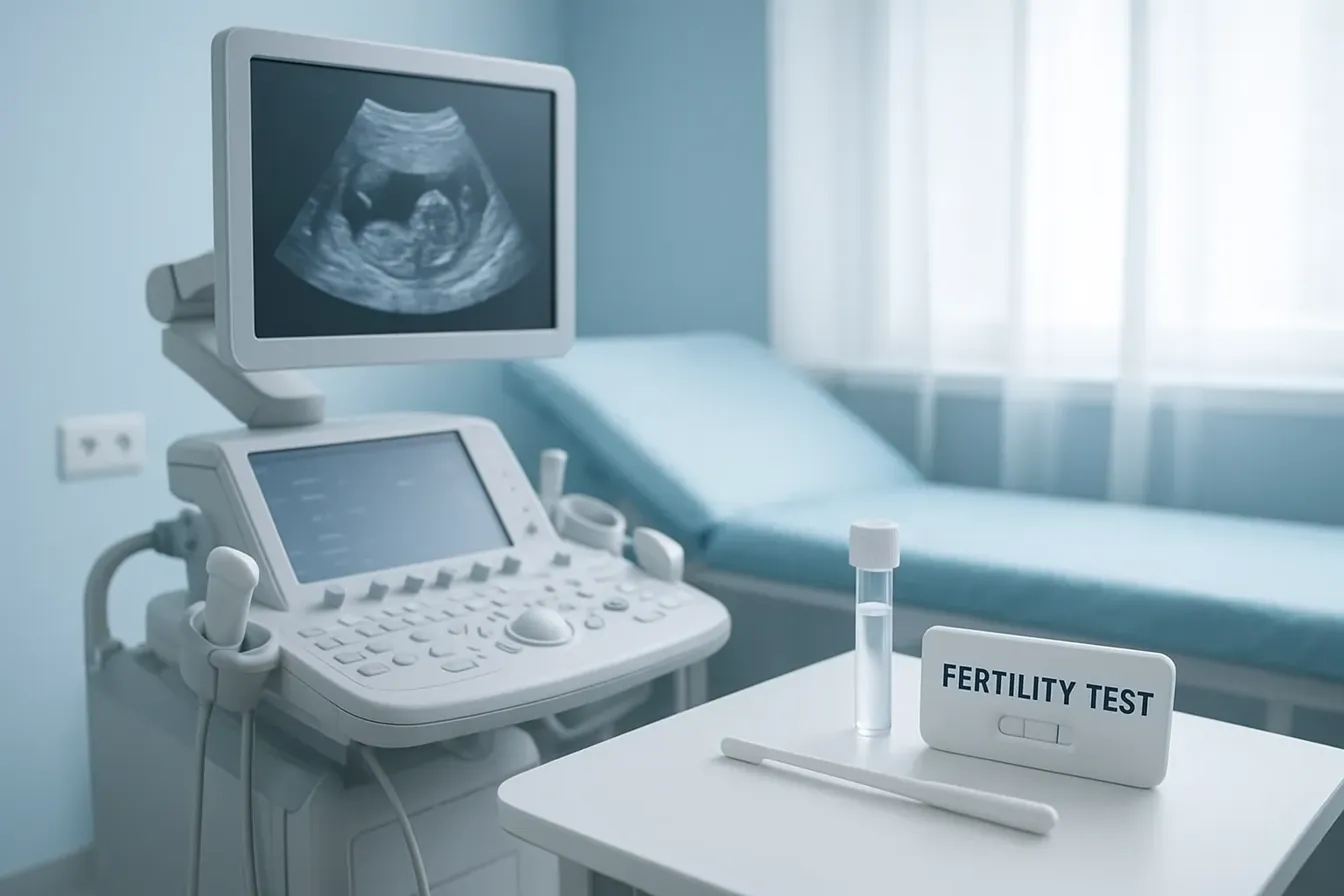
Infertility is defined as the inability to conceive after 12 months of regular, unprotected intercourse for women under 35. For women 35 and older, the evaluation is recommended after 6 months of trying. Approximately 15% of couples of reproductive age experience infertility, highlighting its common impact.
Women under 35 should pursue evaluation after one year of unsuccessful attempts to conceive. For women aged 35 to 39, a fertility evaluation should begin after 6 months. Women over 40 are advised to seek immediate consultation due to the rapid decline in fertility with age.
Early consultation is warranted when there are irregular or absent menstrual cycles, polycystic ovary syndrome (PCOS), history of endometriosis or pelvic infections, two or more miscarriages, known reproductive health conditions, or male factor infertility indications such as abnormal semen analysis or erectile dysfunction.
Early evaluation allows identification of underlying causes, ranging from ovulatory dysfunction to structural uterine or tubal issues. Prompt diagnosis facilitates timely treatment, including lifestyle modifications, medical therapies, or assisted reproductive technologies, improving chances for conception and reducing emotional stress.
Providers emphasize that both partners should be evaluated since infertility affects men and women equally and that early intervention is particularly vital for optimizing outcomes in women over 35 years of age.

If you have been trying to conceive for over a year without success, it is advisable to seek a fertility evaluation for women over 35. For women aged 35 or older, evaluation should begin after six months of attempting pregnancy, given the natural decline in fertility with age. Women over 40 or those with specific medical conditions like PCOS (polycystic ovary syndrome), endometriosis, uterine fibroids, thyroid disorders, or histories of recurrent miscarriage should consider consulting a fertility specialist sooner. Early intervention not only identifies potential underlying health issues but also opens avenues for personalized treatment to enhance conception chances.
Couples should pursue treatment if pregnancy has not occurred after one year of regular, unprotected intercourse. For those where the woman is over 35, treatment evaluation is recommended after six months. Women above 40 years should seek specialist consultation immediately due to accelerated fertility decline. Initial assessment involves thorough infertility evaluation in infertile women targeting ovulatory function, reproductive anatomy, and semen quality. Early treatment can improve conception outcomes and minimize emotional or financial burden associated with prolonged infertility.
Recognizing these criteria ensures timely and comprehensive fertility evaluation process, facilitating informed decision-making and optimized reproductive health outcomes.

A fertility assessment is a thorough process designed to identify any factors impacting conception. It includes a variety of tests addressing both partners for a complete evaluation. For women, blood tests analyze hormone levels such as FSH, LH, AMH, progesterone, TSH, and prolactin to assess ovarian reserve, ovulation, and overall hormonal health. Meanwhile, imaging techniques like transvaginal ultrasound provide detailed views of the uterus and ovaries, and hysterosalpingography (HSG) or sonohysterography check for tubal blockages and uterine abnormalities.
Men undergo semen analysis, which assesses sperm count, motility, morphology, volume, and pH. In some cases, advanced tests like sperm DNA fragmentation may be added for a deeper understanding of sperm quality. Genetic testing for both partners can detect inherited or chromosomal issues linked to fertility or recurrent pregnancy loss.
Additional diagnostic tools include endometrial biopsies to evaluate uterine lining receptivity and immune system assessments such as Natural Killer cell testing. Based on findings, a customized treatment plan targeting identified problems is created, potentially involving lifestyle changes, medication, surgery, or assisted reproductive technologies (ART).
Fertility evaluation generally starts after a woman under 35 has tried to conceive for 12 months without success; for women 35 or older, evaluation is considered after six months. The approach includes several testing steps:
Blood Hormone Testing: Conducted typically on specific cycle days, these tests measure FSH, LH, AMH, estradiol, progesterone, TSH, and prolactin to assess ovarian function and identify hormonal imbalances.
Imaging: Transvaginal ultrasound visualizes reproductive organs, while hysterosalpingography uses contrast X-rays to evaluate uterine shape and tubal patency. Sonohysterography, involving saline infusion, further examines uterine abnormalities.
Male Fertility Assessment: Semen is analyzed following specific collection instructions for volume, sperm concentration, movement, and shape. Sometimes hormone tests and testicular ultrasound are performed.
Genetic and Advanced Diagnostics: Genetic testing identifies chromosomal abnormalities and inherited conditions. Specialized tests like laparoscopy or hysteroscopy may be performed if structural or pelvic issues are suspected.
Preparation for these tests often involves lifestyle improvements such as quitting smoking, managing stress, and following any test-specific instructions (e.g., timing blood tests to the menstrual cycle or abstaining from ejaculation before semen analysis).
Through this comprehensive evaluation, fertility specialists aim to clarify potential causes of infertility and devise personalized treatment strategies, enhancing prospects for pregnancy.

Preparing for infertility testing involves several important steps to ensure accurate and effective results. For blood tests measuring hormones such as FSH, LH, AMH, estradiol, and progesterone, timing is crucial. These tests are often done on specific days of your menstrual cycle—typically between cycle days 2 and 5—to accurately assess ovarian reserve and hormonal health. It is important to follow any fasting instructions if required.
For semen analysis, men are advised to abstain from ejaculation for 2 to 5 days before the test. This period helps provide a representative assessment of sperm count, motility, and morphology. Additional hormone tests or physical exams may also be part of the male evaluation.
Imaging studies like ultrasound or hysterosalpingograms (HSG) require specific preparation as well. For instance, maintaining a full bladder during a transvaginal ultrasound can improve image clarity, and patients should understand what the procedures entail to reduce anxiety. These tests help detect conditions such as blocked fallopian tubes, uterine abnormalities, or ovarian cysts.
Lifestyle adjustments before testing can positively influence outcomes. These include maintaining a balanced diet, reducing alcohol and caffeine intake, quitting smoking, and managing stress. These changes support overall reproductive health and can improve test accuracy.
Learn more: Preparation for fertility tests | When to Seek Infertility Treatment
The timeline for a full fertility evaluation generally spans a few days to about a week. Many initial assessments such as hormonal blood tests and transvaginal ultrasounds can often be completed within a single clinic visit or day. Blood samples are drawn on designated cycle days, and ultrasounds are timed accordingly.
Some procedures, like the hysterosalpingogram (HSG), might require separate appointments and take up to an hour, followed by a brief recovery period. Semen analyses for male partners can be scheduled around these appointments but require laboratory processing, which typically takes a few days.
Overall, the evaluation process combines medical history review, physical examinations, laboratory testing, and imaging studies, some of which must be coordinated with menstrual cycle timing. While preparatory steps may extend the process, most patients complete their comprehensive fertility evaluation within a week. After testing, interpretation of results and discussion of treatment options may require additional appointments.
| Preparation Step | Description | Timing/Notes |
|---|---|---|
| Hormonal blood tests | Schedule on specific cycle days (2-5) | Fasting may be required |
| Semen analysis | Abstain from ejaculation 2-5 days before test | Lab processing takes a few days |
| Ultrasound and imaging | Full bladder may be necessary for clarity | Appointment usually 20-30 mins |
| Hysterosalpingogram (HSG) | Assess tubal patency and uterine structure | Appointment can last up to 1 hour |
| Lifestyle adjustments | Diet, smoking cessation, stress management | Begin weeks before testing |
| Overall evaluation timeline | Usually completed within a week | Depends on individual tests |
Relevant resources: Fertility evaluation process | Infertility Evaluation Timing | Initial infertility evaluation

Infertility may be suggested by several physical and clinical signs, especially when a couple has not conceived after 12 months of regular, unprotected intercourse (or 6 months if the woman is over 35) (Definition of infertility).
In women, signs include irregular menstrual cycles, absent periods (amenorrhea), or painful menstruation (dysmenorrhea). These menstrual irregularities can indicate ovulatory dysfunction or conditions such as polycystic ovary syndrome (PCOS) or endometriosis (Ovulatory dysfunction identification methods, Polycystic ovary syndrome and infertility, Endometriosis and infertility). Women with two or more miscarriages or a history of pelvic inflammatory disease should also seek evaluation early (Conditions warranting prompt infertility evaluation.
Men may have fewer obvious physical signs, but hormonal imbalances can lead to changes in sexual function, hair growth, or decreased libido. A semen analysis revealing low sperm count, poor motility, or abnormal morphology points to male factor infertility, which accounts for about 40-50% of cases (Male Fertility Assessment, Semen analysis for male fertility, Optimal evaluation of the infertile male).
Age is a major risk factor—female fertility notably declines after age 35 due to decreased ovarian reserve and egg quality (Age and Fertility Decline, Impact of age on female fertility). Women over 40 are advised to seek immediate fertility assessment (Immediate Consultation for Women Over 40).
Lifestyle factors such as smoking, excessive alcohol use, obesity, extreme weight changes, and high stress also impair fertility in both partners (Lifestyle Factors Affecting Fertility, Lifestyle modifications for PCOS, Smoking and fertility).
Chronic medical conditions like thyroid disorders, diabetes, or prior pelvic surgery can impact reproductive function (Thyroid Function and Fertility, Pelvic surgery and pelvic disease impact). Genetic factors and infections such as sexually transmitted diseases may damage reproductive organs, further affecting fertility (Genetic testing and fertility, STI Testing and Fertility).
Early evaluation is crucial when warning signs or risk factors are present. Women with irregular or absent periods, painful menses, known reproductive disorders, or recurrent pregnancy loss should not wait the standard timeline (Conditions warranting prompt infertility evaluation. Similarly, men with sexual dysfunction or known testicular problems should seek assessment early (When to see a fertility specialist, Male infertility factors and specialist evaluation).
Prompt evaluation helps identify treatable issues and guides personalized treatment plans to improve chances of conception (Importance of fertility evaluation, Treatment decisions in infertility management. This approach reduces delays that may compromise success, particularly in older reproductive-age individuals (Fertility evaluation in infertile women.
In summary, awareness of these signs and risk factors is vital. If difficulties conceiving occur or if symptoms above are present, consultation with a fertility specialist is recommended to clarify diagnosis and explore treatment options (When to see a fertility doctor, Fertility treatment options).

Following infertility testing, treatment plans are carefully tailored based on the specific findings. If test results reveal hormone imbalances or ovulatory dysfunction, medical interventions such as ovulation induction or hormone therapy are often recommended to encourage regular ovulation and improve fertility.
Structural abnormalities like fibroids or blocked fallopian tubes may require surgical correction to restore proper reproductive anatomy and function. For example, surgeries like myomectomy or tubal surgery can alleviate blockages or remove uterine fibroids affecting fertility.
In cases where medical or surgical treatments are insufficient or not indicated, assisted reproductive technologies (ART) like intrauterine insemination (IUI) or in vitro fertilization (IVF) offer effective alternatives. IVF involves stimulating the ovaries, retrieving eggs, fertilizing them in the lab, and transferring embryos to the uterus. These options increase the chances of conception when natural fertility is compromised.
Alongside medical treatments, lifestyle modifications play a crucial role. Recommendations often include adopting a balanced diet, managing stress, reducing alcohol and caffeine intake, quitting smoking, and maintaining a healthy weight. Such changes can positively influence reproductive health and enhance the effectiveness of fertility treatments.
Emotional support and counseling are important components of fertility care, helping patients cope with stress and make informed decisions. Additionally, financial planning is advised since fertility treatments can be costly and insurance coverage varies. Fertility specialists generally provide guidance on treatment options, expected outcomes, and assist patients in navigating the financial aspects of fertility care.
Combining diagnostic insights with personalized treatments and supportive care allows individuals and couples to optimize their chances of successful conception and achieve their family-building goals.

Male infertility contributes to approximately 40% to 50% of infertility cases, highlighting the necessity of assessing both partners when addressing fertility challenges. For detailed insights, see Male Infertility and Semen Analysis and Male Fertility Assessment.
A comprehensive male infertility evaluation includes:
Proper preparation enhances the accuracy of semen analysis results. Men are advised to abstain from ejaculation for 2 to 5 days before sample collection. Samples should be collected by masturbation into a sterile container, ideally at a clinic or fertility center for timely processing. See Semen analysis preparation and Semen Analysis Details.
Common issues include low sperm count (oligospermia), poor sperm movement (asthenospermia), abnormal sperm shape (teratospermia), erectile dysfunction, and complications from prior surgeries or infections. For comprehensive detail, visit Optimal Evaluation of the Infertile Male.
Management often involves a multidisciplinary team including urologists, andrologists, and reproductive endocrinologists to provide tailored care and optimize fertility outcomes. For treatment options and approaches, see Fertility Treatment Options and Approach to Evaluation and Management of Infertility.
Early identification of male factors allows prompt intervention—whether medical, surgical, or assisted reproductive technologies—improving the likelihood of successful conception and minimizing treatment delays. Additional information at When to See a Fertility Specialist and Diagnosis and Management of Infertility.
If you're under 35 and have been trying to conceive for a year without success, it's time to consider a fertility evaluation. Women aged 35 and older should seek help after six months of trying, and those over 40 are encouraged to consult a specialist immediately. Early consultation is especially important for those with irregular cycles, previous miscarriages, or known reproductive health issues.
The diagnostic process begins with a comprehensive medical history and physical examination. Tests typically include hormone blood work, imaging like ultrasound or hysterosalpingography to check the uterus and fallopian tubes, and semen analysis for male partners. These steps help identify causes such as ovulatory disorders, tubal blockages, or sperm abnormalities.
Prompt and individualized evaluation improves treatment success. Knowing your specific fertility profile allows for tailored treatment plans, from lifestyle adjustments to advanced reproductive technologies like IVF.
Understanding the evaluation process and test results equips you to make informed decisions about your fertility journey. This knowledge fosters confidence and facilitates patient-centered care, ensuring you receive compassionate and effective support every step of the way.

.png)
%201.png)
Compassionate care for every stage of womanhood. Visit one of our convenient locations or book your appointment online today.