Protecting Ovarian Health: Signs, Symptoms, and Proactive Care
What Every Woman Should Know About Ovarian Health
Protecting Ovarian Health: Signs, Symptoms, and Proactive Care
Follow us here:



Minimally invasive gynecologic surgery (MIGS) refers to surgical techniques that use small incisions, typically less than an inch, or no incisions at all. These procedures employ specialized tools such as tiny cameras, fiber-optic lights, and robotic instruments to perform surgeries with precision while minimizing tissue damage. Common types of MIGS include laparoscopy, robotic-assisted surgery, hysteroscopy, and vaginal surgery. Each method allows for tailored treatment depending on the condition and complexity of the case.
MIGS is used to treat a variety of benign gynecologic conditions, including uterine fibroids, abnormal uterine bleeding, adenomyosis, endometriosis, pelvic pain, ovarian cysts, and conditions affecting uterine structure like polyps or scar tissue. Many procedures, such as hysterectomy, myomectomy, and endometrial ablation, can be performed with minimally invasive approaches that also preserve fertility when appropriate.
Compared to open surgeries, minimally invasive gynecologic techniques offer significant advantages. They result in less postoperative pain, reduced blood loss, minimal scarring, and lower infection risks. Hospital stays are generally shorter, often allowing outpatient treatment and faster return to work and daily activities. Moreover, recovery times are significantly reduced, often within one to two weeks, enhancing patient comfort and outcomes.

Minimally invasive gynecologic surgeries include several advanced procedures designed to treat a variety of benign conditions with less pain and quicker recovery compared to traditional surgery. These techniques typically involve small incisions or natural body openings. The main types include:
These surgeries address various conditions including:
Many gynecologic procedures are now performed safely in office settings, providing convenience and rapid recovery with little discomfort. These include:
Such providers deliver comprehensive care encompassing prenatal care, childbirth, postpartum support, and routine gynecological health management. They also integrate advanced minimally invasive and robotic surgical options to treat conditions effectively while minimizing pain, scarring, and recovery time, with a personalized approach to women's unique health needs.

Minimally invasive gynecologic surgery typically involves small incisions in gynecologic procedures, such as hysteroscopy procedure. This approach uses specialized instruments and cameras to limit tissue damage, leading to less scarring and quicker healing.
Patients undergoing these surgeries often have shorter hospital stays and outpatient surgery. Recovery times are significantly reduced, with most able to resume normal daily activities within 1 to 2 weeks, compared to several weeks after traditional open surgery.
With smaller wounds and minimal tissue disruption, the risk of infections is considerably lower. Additionally, patients report less postoperative pain and require fewer pain medications, contributing to an overall more comfortable recovery.
Women undergoing minimally invasive gynecologic surgeries such as laparoscopy or robotic-assisted gynecologic surgery for conditions like fibroids or endometriosis generally experience faster recovery and less pain. Symptom relief often begins quickly, and many return to work and routine life within two weeks.
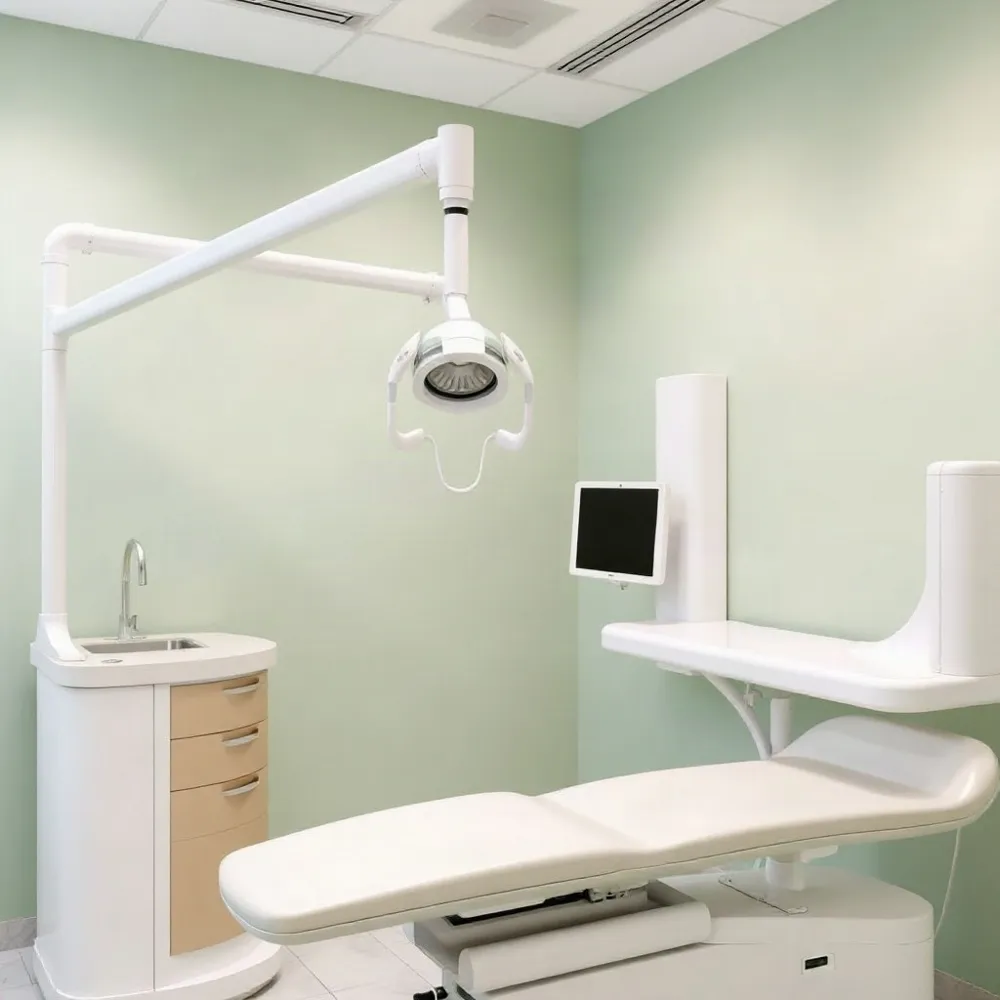
During a routine OB/GYN visit at a woman-led clinic, patients receive thorough, personalized evaluations focusing on pelvic health. Minimally invasive gynecologic surgery procedures are performed efficiently and comfortably, with counseling tailored to reproductive and pregnancy care. The supportive environment emphasizes patient-centered care and shared decision-making to optimize health outcomes.
Advanced technologies have transformed obstetrics and gynecology by improving precision, safety, and patient outcomes throughout diagnosis and treatment. Robotic-assisted gynecologic surgery using systems like the da Vinci Surgical System offers surgeons a magnified 3D view and enhanced dexterity for complex gynecologic procedures, such as minimally invasive hysterectomy benefits and myomectomies. This technology enables smaller incisions, less blood loss, reduced pain, and quicker recovery compared to traditional surgery.
High-definition imaging and 3D visualization tools facilitate detailed views of pelvic anatomy during minimally invasive gynecologic surgery, aiding in accurate diagnosis and meticulous surgical work. For instance, laparoscopy in gynecologic surgery employs miniaturized cameras and live imaging to evaluate and treat conditions like endometriosis treatment, ovarian cysts, and fibroids with minimal trauma.
In addition, the integration of artificial intelligence (AI) and ultrasound guidance to reduce IUD insertion pain optimizes procedural accuracy and patient comfort. AI-inspired image processing can assist in real-time navigation, while local anesthetic agents for IUD insertion pain reduces pain and improves satisfaction. Specialized Minimally Invasive Gynecologic Surgery instruments further minimize tissue damage.
Beyond the operating room, telehealth platforms and remote monitoring tools, including wearable health apps, support continuous patient engagement and personalized follow-up care. These technologies increase healthcare accessibility, especially for women managing chronic gynecologic conditions, improving outcomes through timely interventions and education.
Together, these advances make Minimally Invasive Gynecologic Surgery safer, more precise, less invasive, and more convenient, accelerating recovery and enhancing the overall patient experience.
Personalized care in obstetrics and gynecology tailors treatment plans to the unique medical history, health goals, and circumstances of each patient. This individualized approach helps ensure accurate diagnoses and effective therapies by considering biological differences and social factors that impact health. When care plans specifically address a woman’s symptoms and lifestyle, treatments tend to be more successful with fewer side effects. Moreover, personalized care encourages active patient involvement and adherence to treatment.
Woman-led providers bring distinct advantages rooted in shared life experiences and deep empathy for women’s health challenges. They often foster a more open and trusting communication style, empowering patients to share concerns and preferences comfortably. This empathetic care improves patient satisfaction and outcomes. Additionally, woman-led leadership in OB/GYN drives innovation, equity, and advocacy for specialized women’s health policies, ensuring care that is comprehensive and culturally sensitive.
Complex gynecologic conditions often require a team approach involving specialists in colorectal surgery, urology, radiology, reproductive endocrinology, and physical therapy. This collaborative care model provides integrated evaluation and treatment, improving precision and addressing various aspects of a patient’s health. Multidisciplinary teams can create more holistic and effective plans, leading to faster recovery and better management of chronic or multifaceted conditions. Multidisciplinary collaboration in complex gynecologic cases
Many women’s health centers incorporate mental health support programs to address anxiety, trauma, and psychological well-being as part of holistic care. Additionally, technology integration such as telemedicine, AI-assisted diagnostics, and electronic health records enhance personalized monitoring and patient engagement. These programs help reduce barriers to care, improve follow-up, and support mental and emotional health alongside physical treatment.
Effective pain control during minimally invasive gynecologic procedures often includes local anesthesia options such as lidocaine spray, lidocaine-prilocaine cream applied to the cervix, and paracervical blocks. These techniques reduce discomfort during procedures like hysteroscopy, endometrial biopsy, and IUD insertion. Preprocedural administration of NSAIDs, such as naproxen, may also help alleviate pain, though evidence of their effectiveness is mixed.
Postoperative pain after minimally invasive surgeries like hysterectomy can be managed effectively with non-opioid medications. Agents such as intravenous acetaminophen, dexamethasone, and anticonvulsants have demonstrated opioid-sparing benefits. While ketorolac use shows mixed results, paracervical blocks provide additional pain relief especially in vaginal hysterectomies. These options contribute to faster recovery with minimized opioid exposure.
Pain and anxiety management should be tailored to each patient, acknowledging factors such as trauma history, mental health, and gender diversity. Providing culturally competent, trauma-informed care enhances patient comfort, reduces procedural anxiety, and improves satisfaction. Shared decision-making ensures patients are fully informed about pain relief choices, building trust and facilitating access to care.
Advancements in minimally invasive gynecologic surgery include robotic-assisted techniques providing greater precision and less tissue trauma. Cutting-edge technologies like single-port robotics and AI-guided surgery are emerging to improve outcomes further. Current research focuses on optimizing pain management with high-quality studies evaluating non-opioid therapies and multidisciplinary approaches. Ongoing innovation aims to enhance safety, reduce recovery time, and improve patient-centered care in OB/GYN surgery.

.png)
%201.png)
Compassionate care for every stage of womanhood. Visit one of our convenient locations or book your appointment online today.