The Quiet Revolution: How Minimally Invasive Surgery Transformed Women's Health
The Evolution of Minimally Invasive Gynecological Surgery
The Quiet Revolution: How Minimally Invasive Surgery Transformed Women's Health
Follow us here:


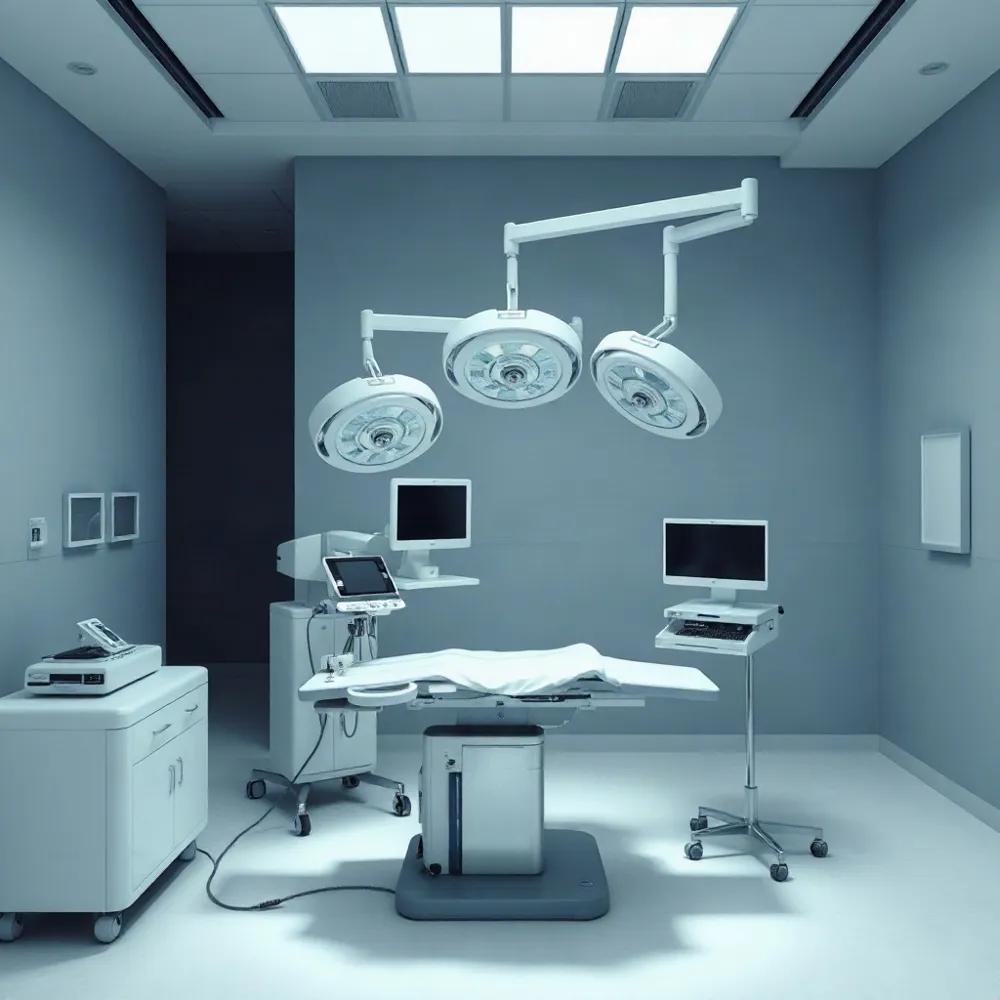
The field of gynecologic surgery has undergone a significant transformation. Traditional open procedures, which required large incisions and extended recovery times, have been largely supplanted by minimally invasive gynecologic surgery (MIGS). These advanced techniques use specialized tools to perform complex procedures through tiny, precise incisions, fundamentally changing the surgical experience for women.
MIGS represents a shift toward patient-centered care. By prioritizing smaller incisions and less tissue trauma, it directly addresses the most common patient concerns: faster recovery, less postoperative pain, and a lower risk of infection. Studies from leading institutions confirm that women who undergo minimally invasive procedures typically experience shorter hospital stays and can return to their daily activities sooner than with open surgery.
At raveco.com, a woman-led OB/GYN practice in Queens, NY, this evolution is at the center of care. The practice offers advanced MIGS options, ensuring that patients in the community receive the latest techniques with the personalized, compassionate approach that defines their philosophy.

Traditional open gynecologic surgery required large abdominal incisions, often several inches long. This approach resulted in extended hospital stays, greater postoperative pain, higher infection risks, and a slower return to daily activities. The shift from these large incisions to modern "keyhole" techniques marks one of the most significant advances in women's surgical care.
The formal development of minimally invasive surgery (MIS) began in the late 1980s with the introduction of videolaparoscopy. By projecting the surgical image onto a monitor, pioneers like Camran Nezhat improved surgeon ergonomics and visualization. According to a historical review published in the PMC literature, this breakthrough laid the foundation for advanced laparoscopic and robotic techniques used today. The rate of open abdominal hysterectomies in the US dropped from 65% in 1998 to 54% in 2010 as MIS became the preferred approach.
A critical milestone came in 2000, when the da Vinci Surgical System received FDA approval for use in gynecology. This technology provided surgeons with enhanced dexterity and 3D visualization, enabling complex procedures through tiny incisions. Patients at raveco.com benefit from these same advanced techniques, with surgeons trained in both laparoscopic and robotic approaches that reduce recovery time while maintaining high precision and safety.
Laparoscopy. Uses a camera and instruments through small incisions (keyhole surgery), offering shorter hospital stays and less discomfort. Robotic-assisted surgery. Builds on laparoscopy with robotic arms and 3D visualization, allowing increased precision for complex cases like myomectomy. Hysteroscopy. Requires no abdominal incisions; a narrow telescope is inserted through the vagina to diagnose or treat uterine cavity issues. Vaginal surgery. The most minimally invasive approach for major gynecologic procedures, avoiding any abdominal incisions.
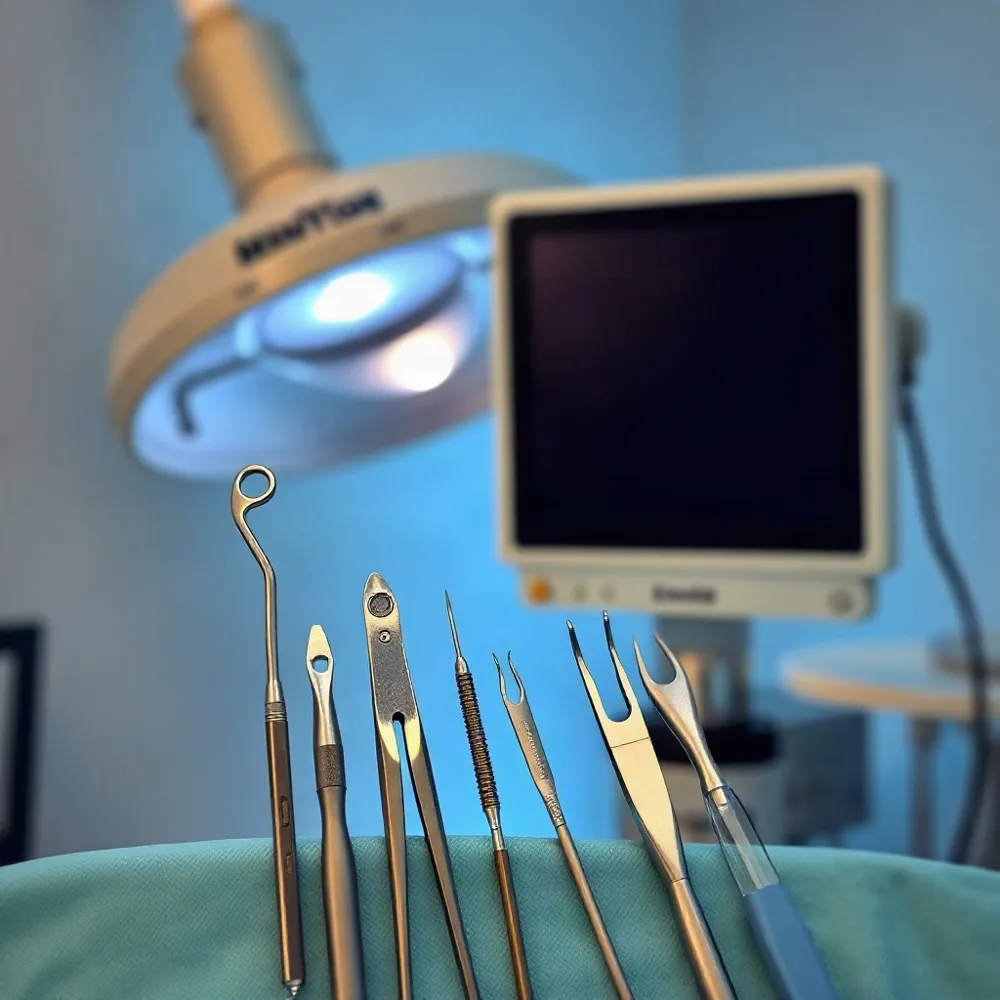
Minimally invasive gynecologic surgery (MIGS) relies on several core techniques that avoid large abdominal incisions. The most common are laparoscopy and hysteroscopy, each suited to different parts of the anatomy. These approaches allow surgeons to diagnose and treat a wide range of conditions with less trauma to the body.
Laparoscopic surgery uses a thin, lighted camera (laparoscope) and specialized instruments inserted through small incisions, typically less than an inch. This technique is used for complex procedures such as treating ovarian cysts, removing uterine fibroids (myomectomy), and performing hysterectomies. It offers benefits like reduced postoperative pain, shorter hospital stays, and a faster return to normal activities.
Robotic-assisted surgery builds upon laparoscopy. The surgeon operates from a console, controlling robotic arms that offer enhanced dexterity and a high-definition three-dimensional view of the surgical field. This technology allows for even greater precision in delicate procedures and can be especially beneficial for more complex cases. At raveco.com, surgeons are trained in these advanced laparoscopic and robotic techniques, providing patients in Queens with access to state-of-the-art, patient-centered care.
Hysteroscopic surgery requires no incisions at all. A thin, lighted telescope is inserted through the vagina and cervix into the uterus, allowing the surgeon to visualize and treat issues inside the uterine cavity. Common uses include removing polyps, treating abnormal bleeding, and addressing uterine fibroids. Patients typically experience same-day recovery and minimal discomfort.
A transvaginal laparoscopic approach offers a visually scar-free option for certain gynecologic procedures, such as hysterectomies and sacrocolpopexies. By entering through the vagina, this method eliminates any abdominal incisions, further enhancing cosmetic outcomes and recovery speed.
A wide range of gynecologic conditions can be addressed using minimally invasive techniques. Procedures such as laparoscopic and robotic-assisted surgery allow surgeons to treat fibroids, endometriosis, abnormal bleeding, and pelvic organ prolapse through small incisions, offering faster recovery and less discomfort compared to traditional open surgery.
For uterine fibroids, options include myomectomy, which removes fibroids while preserving the uterus and fertility, and hysterectomy, the definitive removal of the uterus for cases where fertility is not a concern. Hysteroscopic surgery can also remove fibroids or polyps through the vagina with no abdominal incisions at all.
Endometriosis excision uses laparoscopy to precisely remove endometrial tissue outside the uterus, relieving pelvic pain and improving fertility.Ovarian cystectomy removes ovarian cysts while preserving healthy ovarian function. For permanent contraception, tubal ligation is a quick laparoscopic outpatient procedure, while fallopian tube reversal can restore fertility after a previous ligation, also performed with minimally invasive microsurgery. Sacrocolpopexy repairs pelvic organ prolapse (when the bladder, uterus, or rectum drops) using laparoscopic or robotic mesh placement for durable support. Cervical cerclage places a stitch around the cervix to prevent preterm labor in women with cervical insufficiency. Finally, diagnostic and exploratory laparoscopy helps evaluate pelvic pain, infertility, and unexplained bleeding, giving surgeons a clear view of the reproductive organs with minimal downtime.
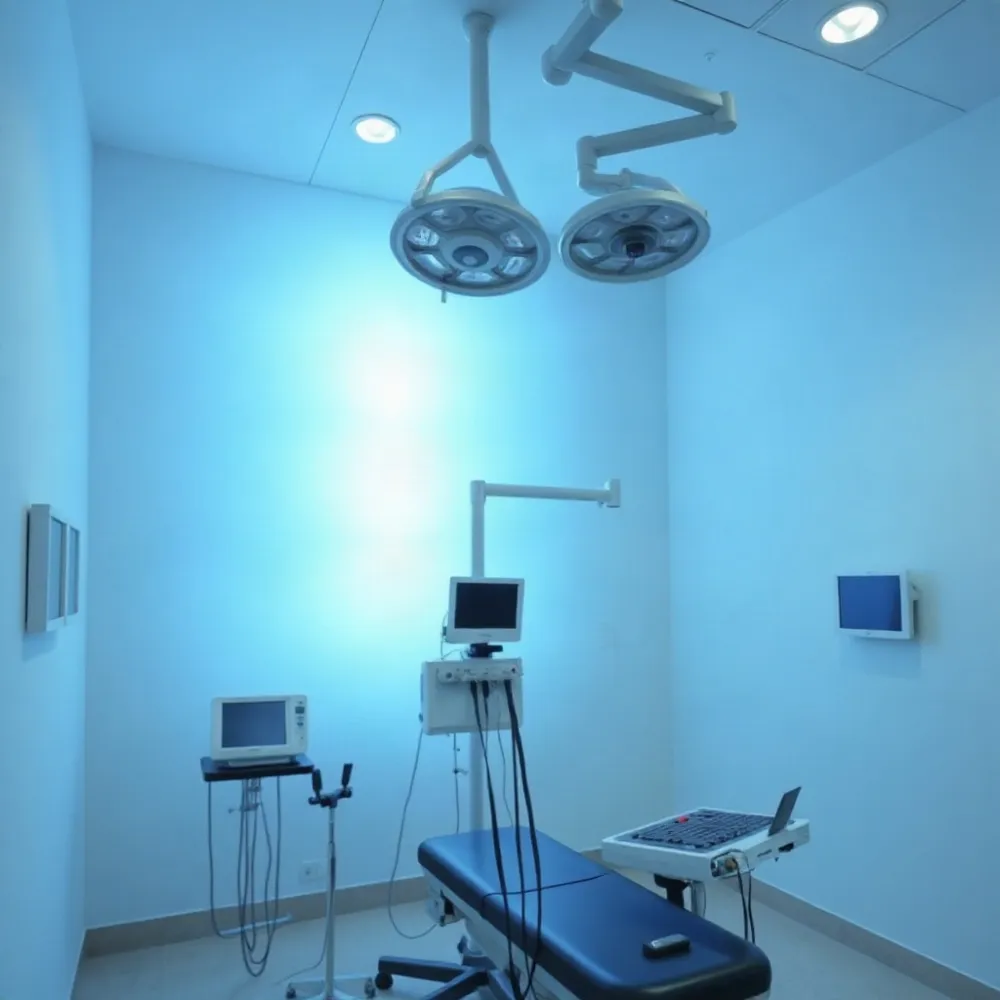
One of the most significant advantages of minimally invasive gynecologic surgery (MIGS) is the reduction in postoperative pain. Techniques such as laparoscopy and robotic-assisted surgery require only small incisions, leading to less tissue trauma and decreased discomfort after the procedure. Many patients require fewer pain medications and report a more comfortable recovery compared to traditional open surgery.
Smaller incisions also translate to a lower risk of infection and reduced blood loss during the procedure. Because the body experiences less trauma, the chances of complications such as wound infections or significant bleeding are minimized, contributing to a safer overall experience. For many women, this also means a shorter or completely eliminated hospital stay, with some procedures being performed as an outpatient, allowing patients to return home the same day.
The combination of less pain, lower risk, and minimal scarring allows for a faster return to work and normal daily activities. While recovery timelines vary by individual and procedure, most patients can rest for several days to a week before resuming light tasks. Full recovery typically takes two to six weeks. Adhering to your surgeon's post-operative care plan is essential for optimal healing, and the team at Raveco provides personalized guidance throughout the entire recovery process.
Not every patient or procedure is an equally good fit for every minimally invasive approach. Obesity, pregnancy, and prior abdominal surgeries that create scar tissue and adhesions each raise specific technical challenges that require careful planning.
Newer techniques also demand a significant learning curve, making surgeon experience and institutional training volume an important factor when choosing a provider. A thorough preoperative evaluation of comorbid conditions, including pulmonary and cardiac health, helps determine whether laparoscopy or an alternative approach is safest for the individual.
vNOTES. Transvaginal natural orifice transluminal endoscopic surgery (vNOTES) uses the body's natural openings to access the pelvic organs, avoiding any abdominal incisions altogether and potentially reducing surgical time. Mini-Laparoscopy. Instruments smaller than 5 mm cause less abdominal wall trauma while achieving equivalent surgical results, further reducing postoperative pain and scarring. Next-Generation Robotics. New robotic platforms currently in clinical trials aim to improve precision and surgeon ergonomics for complex cases like myomectomy and endometriosis excision. Narrow-Band Imaging. This enhanced imaging technique helps surgeons identify endometriosis lesions that might be invisible under standard white light, allowing for more complete excision. Enhanced Recovery Pathways. ERAS protocols combine evidence-based nutrition, pain management, and early mobility to expedite return of bowel function, reduce cost, and shorten hospital stays without increasing readmission rates.
At raveco.com, the team evaluates each patient's unique health profile, prior surgical history, and body type to recommend the safest, most effective minimally invasive option, whether that is traditional laparoscopy, a mini-laparoscopic approach, or a newer incision-free technique like vNOTES.
Choosing the right surgeon is a critical step in your surgical journey. A skilled, experienced provider can make a significant difference in your comfort, recovery, and overall outcome. Fortunately, finding a specialist trained in minimally invasive gynecologic surgery is more straightforward than ever.
Start your search by using the 'Find a Doctor' tools on the websites of major hospital systems like NewYork-Presbyterian and NYU Langone. These platforms allow you to filter by specialty and surgical expertise, making it easy to identify surgeons who perform robotic and laparoscopic procedures. You can also call your insurance provider for a list of in-network specialists who focus on conditions like fibroids, endometriosis, and ovarian cysts.
Do not overlook community-based practices. Many women's health providers in Queens, NY, now offer advanced, patient-centered care that prioritizes minimally invasive techniques. For instance, a woman-led practice like raveco.com provides personalized obstetrics and gynecology services, including modern surgical options, ensuring you receive compassionate care close to home. Asking your primary OB/GYN for a referral is another excellent way to find a trusted specialist.
When reviewing a surgeon's profile, look for specific mentions of training in minimally invasive or robotic surgery. Surgeons who complete a fellowship in Minimally Invasive Gynecologic Surgery (MIGS) or Complex Benign Gynecology receive extensive hands-on experience with advanced techniques. Verifying this background helps ensure you are choosing a provider who is up to date with the latest, low-impact surgical methods.
The cost of minimally invasive gynecologic surgery can vary widely. Factors influencing the final price include the specific procedure performed (laparoscopic, hysteroscopic, or robotic-assisted), the complexity of your condition, your geographic location, and whether an overnight hospital stay is required. Because costs are highly individualized, it is best to consult directly with your healthcare provider or insurance company for a detailed estimate.
Many practices offer personalized financial consultations to help you understand potential out-of-pocket expenses. A thorough consultation, including a review of your specific treatment plan and insurance benefits, will provide the most accurate information. Ultimately, your healthcare team can give you the clearest picture of what to expect financially.
The journey from large incisions to today's precise, patient-centered techniques marks a true advance in women's health. For conditions ranging from fibroids and endometriosis to pelvic organ prolapse and infertility, minimally invasive gynecologic surgery (MIGS) now offers a path with less pain, smaller scars, and a faster return to daily life. This evolution is not just about technology, it is about putting the patient at the center of her own care.
Woman-led practices like raveco.com are at the forefront of this change. By combining the latest in laparoscopic, hysteroscopic, and robotic-assisted surgery with a deep understanding of each patient's unique needs, they offer both the safety of modern medicine and the comfort of compassionate, personalized attention. At raveco.com, we are committed to helping you make informed choices that align with your health goals and lifestyle.
The most empowering step you can take is to start a conversation. Discuss your symptoms, concerns, and questions with your care team. They can help determine if a minimally invasive approach is right for you and guide you through every stage of the process. With the right information and support, you can approach any surgical decision with confidence and peace of mind.

.png)
%201.png)
Compassionate care for every stage of womanhood. Visit one of our convenient locations or book your appointment online today.