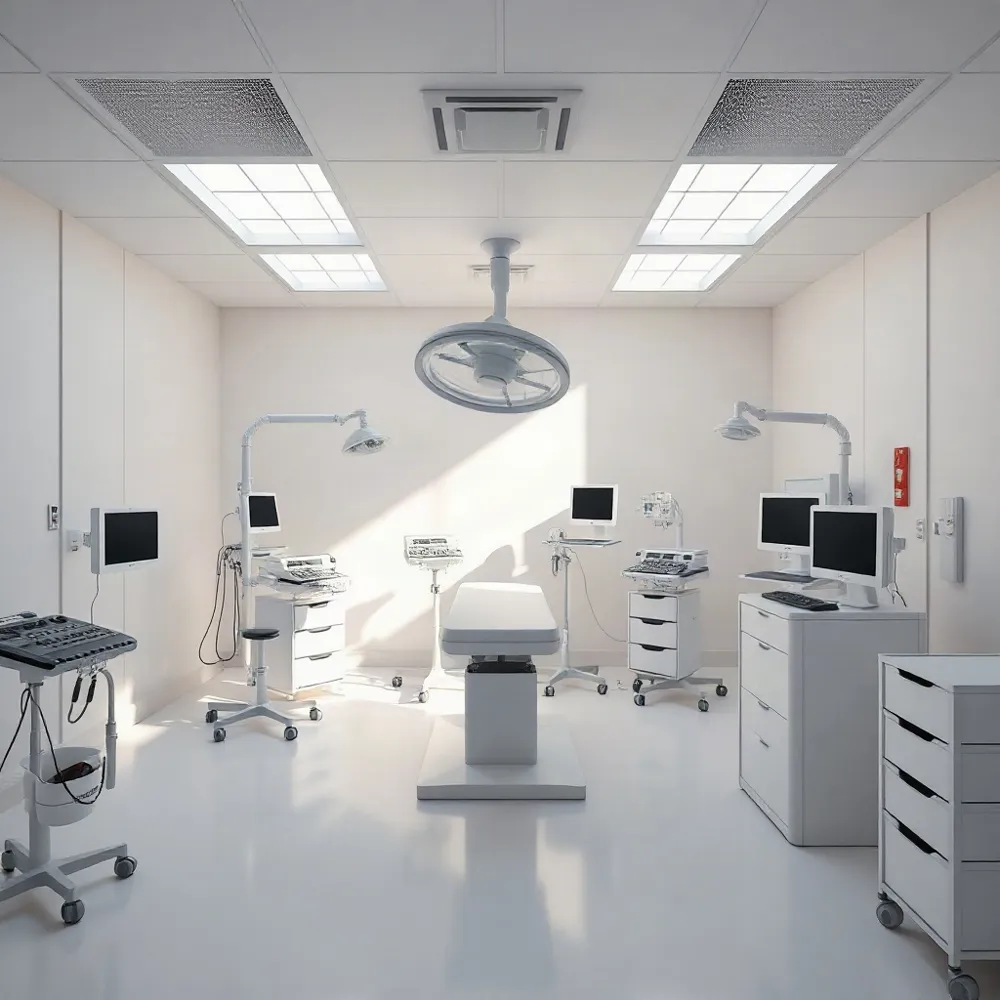
A Clearer Path to Gynecologic Surgery
How to Prepare for a Gynecologic Procedure
A Clearer Path to Gynecologic Surgery
Follow us here:



Chronic pelvic pain is defined as discomfort in the area below the bellybutton and between the hips that persists for six months or longer, according to Raveco Medical. This condition affects approximately 1 in 6 women, serving as a significant health challenge that often disrupts daily activities such as work, sleep, and physical exercise Long-term pelvic pain.
Because the condition is frequently multifactorial, it rarely stems from a single bodily issue Chronic Pelvic Pain. Patients may experience sharp, sudden sensations or steady, dull aches that often coexist with gastrointestinal, urologic, or musculoskeletal concerns Chronic Pelvic Pain in Women. Ignoring these symptoms out of embarrassment or a belief that the discomfort is normal can lead to unnecessary delays in receiving targeted support Diagnosis and Management of Endometriosis.
Effective management requires a multidisciplinary approach that moves beyond simple symptom relief. By integrating expertise from gynecology, physical therapy, and mental health support, care teams can better address the emotional and physical burden of long-term pain Chronic Pelvic Pain. Prioritizing an individualized care plan ensures that patients receive the specific tools needed to regain their quality of life and function Non‑Surgical Pain Management Strategies for Endometriosis.

Chronic pelvic pain is defined as discomfort in the area below the bellybutton and between the hips that persists for six months or longer, according to Raveco Medical. This condition often manifests through a variety of sensations, including dull, steady aches, sharp cramping, or a feeling of deep pressure and heaviness. Because the experience varies significantly between individuals, Mayo Clinic notes that pain may be continuous or intermittent.
Many patients find that specific physical activities act as triggers for their symptoms. These may include prolonged periods of sitting or standing, physical exercise, or sexual intercourse. When pain begins to interfere with sleep, work, or daily routines, it is important to seek a professional evaluation. At Raveco Medical, the team emphasizes that patients should track these patterns in a journal, as documenting the timing and nature of pain provides critical information for identifying the underlying cause.
Beyond localized discomfort, systemic symptoms frequently co-occur with chronic pelvic pain. Many women report urinary urgency, frequency, or pain during urination, alongside gastrointestinal issues such as bloating, constipation, or diarrhea. These symptoms are often linked to complex conditions like interstitial cystitis) or irritable bowel syndrome, per Yale Medicine. Recognizing these patterns early allows for a more targeted and effective approach to care.
| Symptom Category | Common Examples | Potential Impact |
|---|---|---|
| Physical Sensation | Aching, cramping, pressure | Daily function |
| Triggering Events | Intercourse, sitting, exercise | Activity avoidance |
| Systemic Signs | Urinary urgency, bloating | Quality of life |

Chronic pelvic pain, defined as pain in the area below the bellybutton and between the hips lasting six months or longer, can stem from a wide array of underlying conditions per Yale Medicine. Gynecological issues, such as Endometriosis or Adenomyosis, are common contributors, but the source can also lie within the bladder, intestines, or pelvic floor muscles. In many instances, the pain may arise from multiple coexisting conditions, such as the combination of Irritable Bowel Syndrome and a reproductive health disorder. It is also possible for spinal issues or even unknown factors to play a role in persistent discomfort.
At Raveco Medical, our team recognizes that because this condition is complex and multifaceted, a professional clinical evaluation is essential to identify specific root causes. Unlike general clinics that may focus on a single organ system, we integrate diagnostic insights across gynecological, urological, and gastrointestinal domains to map out the exact origins of discomfort.
Beyond organ-specific diseases, pelvic floor muscle dysfunction often acts as a central player in maintaining chronic pain. As noted by Stanford Medicine, even if an initial injury like a cyst or infection resolves, the muscles may remain in a state of high tension or develop trigger points that perpetuate the pain cycle. This phenomenon often links with systemic conditions like interstitial cystitis or pelvic floor disorders, creating a persistent feedback loop between the somatic and visceral nervous systems.
| Origin Type | Common Conditions | Impact Profile |
|---|---|---|
| Gynecological | Endometriosis, Fibroids | Often cyclical |
| Urological | Interstitial Cystitis | Bladder pressure |
| Gastrointestinal | IBS | Bowel-related triggers |
| Musculoskeletal | Floor dysfunction | Postural sensitivity |

Distinguishing between typical discomfort and indicators of a serious health issue is essential for timely care. While occasional mild cramping can be a normal occurrence for many, pain that disrupts your sleep, social life, or ability to exercise is not something you should simply endure. Providers at Raveco Medical emphasize that persistent discomfort lasting six months or longer warrants a professional evaluation to rule out underlying conditions like endometriosis or pelvic floor dysfunction.
Consult a healthcare professional if your pelvic discomfort progresses over time or begins to interfere with your daily routine. Certain symptoms serve as clinical red flags that require urgent investigation to rule out malignancy or systemic disease, per AAFP guidelines. These include postmenopausal bleeding, unexplained weight loss, the presence of a palpable pelvic mass, or blood in the urine. Unlike general practices that may overlook these nuanced warning signs, specialists at Raveco Medical utilize a patient-centered approach to ensure thorough assessment of these clinical markers.
Emergency warning signs demand immediate attention at an urgent care or emergency department. Seek help right away if you experience sudden, unbearable pain, especially if it is accompanied by fever, chills, nausea, vomiting, or dizziness, as these may signal acute conditions like ovarian torsion or ectopic pregnancy. Patients of reproductive age should always exclude pregnancy when presenting with severe pelvic pain. If you are struggling with discomfort, documenting your symptoms in a pain journal can assist your care team in pinpointing the origin of your pain and developing a more effective non-surgical management plan.
Distinguishing between chronic pelvic pain and pregnancy-related discomfort is essential for proper care. Unlike chronic conditions that persist for more than six months, pelvic girdle pain (PGP) during pregnancy is typically caused by the mechanical shifts in joint stability and ligament flexibility required for fetal growth. While chronic cases often require a multidisciplinary approach to address complex nerve or muscle dysfunction, obstetric pelvic pain is often managed as a transient, albeit painful, musculoskeletal condition unique to the gestational period.
Pelvic girdle pain during pregnancy is often caused by uneven movement or stiffness in the pelvic joints, which can be managed effectively through early diagnosis and specialized care. Your healthcare provider may refer you to a physiotherapist who focuses on obstetric pelvic joint issues to improve stability, muscle function, and pain relief through tailored exercises. Unlike general orthopedic interventions, these programs are specifically adapted for the anatomical changes of pregnancy.
It is important to prioritize rest and communicate any sudden changes in symptoms to your provider. Please consult your obstetrician or midwife to discuss your specific symptoms so they can develop a personalized treatment plan that ensures your comfort throughout your pregnancy.
Effective management of chronic pelvic pain requires a comprehensive, multidisciplinary approach that moves beyond treating individual organs to address the patient's experience as a whole. At Raveco Medical, we recognize that this condition is rarely the result of a single issue, often requiring what experts describe as a peeling the onion approach to identify and treat multiple, overlapping sources of discomfort. This strategy ensures that clinicians address not only the primary anatomical pain but also the secondary effects on nerves, muscles, and emotional well-being.
Evidence-based treatment is highly personalized, often integrating medical management, such as hormonal therapies to manage period-related pain or targeted medications, with specialized pelvic floor physical therapy to address myofascial tension. Because chronic pain is multifaceted, behavioral support and psychological counseling are essential components for many patients to help manage the emotional impact and daily stress associated with the condition. As noted in the American Academy of Family Physicians research, a biopsychosocial model is critical when curative treatments remain elusive.
Lifestyle modifications, including dietary adjustments and stress-reduction techniques like meditation, often complement these clinical interventions. Throughout the diagnosis and management of endometriosis or other chronic pelvic conditions, providers should facilitate a Shared Decision Making process. This approach encourages patients to ask three fundamental questions: What are my options? What are the pros and cons of each? How do I get support to make a decision? By utilizing these frameworks, per Royal College of Obstetricians and Gynaecologists guidelines, patients become active partners in their own health outcomes.
For many patients, the chronic nature of pelvic discomfort stems from a complex cycle of muscle tension and nerve irritation that standard medication cannot fully resolve. At Raveco Medical, our team recognizes that the pelvic floor is a sophisticated network of muscles and connective tissues that can develop neuromuscular dysfunction. When these muscles become hypertonic or develop trigger points, they can contribute to ongoing pain that radiates throughout the abdomen and back.
Pelvic floor physical therapy functions as a primary, non-invasive intervention designed to interrupt the cycle of pain by addressing the musculoskeletal components of chronic pelvic pain. Specialists use precise manual techniques, including myofascial release, to treat taut bands of muscle that cause persistent discomfort. By employing biofeedback, therapists help patients gain conscious control over their pelvic muscles, teaching them how to relax areas that have become chronically clenched due to prolonged stress or nerve involvement. This approach is often more effective than generic physical therapy, which may fail to address the unique, hidden architecture of the pelvic basin.
Techniques such as dry needling can also provide significant relief by targeting specific trigger points that are otherwise inaccessible. While other clinics might offer generalized exercises, Raveco Medical emphasizes a highly personalized physical therapy plan that integrates with the rest of a patient's care. This targeted therapy not only reduces immediate physical symptoms but also plays a vital role in restoring the overall quality of life for those suffering from conditions like endometriosis or interstitial cystitis. By calming the nervous system and retraining muscle patterns, patients often find they can return to daily activities without the fear of recurring pain.
Managing chronic pelvic pain begins with documenting your health journey. Maintaining a detailed symptom diary can provide your physician with vital context regarding triggers, pain patterns, and the specific impact on your daily activities. According to RCOG, tracking these details allows for a shared decision-making process that centers on your unique needs. Note the timing, intensity, and duration of symptoms to help narrow down potential causes during your visit.
If you are seeking specialized care, Raveco Medical offers comprehensive support for patients in Queens, NY. Our team focuses on personalized, evidence-based strategies, including minimally invasive surgeries and advanced pain management options, to address the multifactorial nature of chronic discomfort. You do not have to navigate this condition alone, as early intervention often results in better long-term outcomes.
Empower yourself by preparing questions for your appointment. Ask about the diagnostic tests available, the potential benefits of pelvic floor physical therapy, and how a multidisciplinary approach might fit your lifestyle. Advocates for their own health often find that clearer communication with their care team leads to more effective, individualized treatment plans.

.png)
%201.png)
Compassionate care for every stage of womanhood. Visit one of our convenient locations or book your appointment online today.