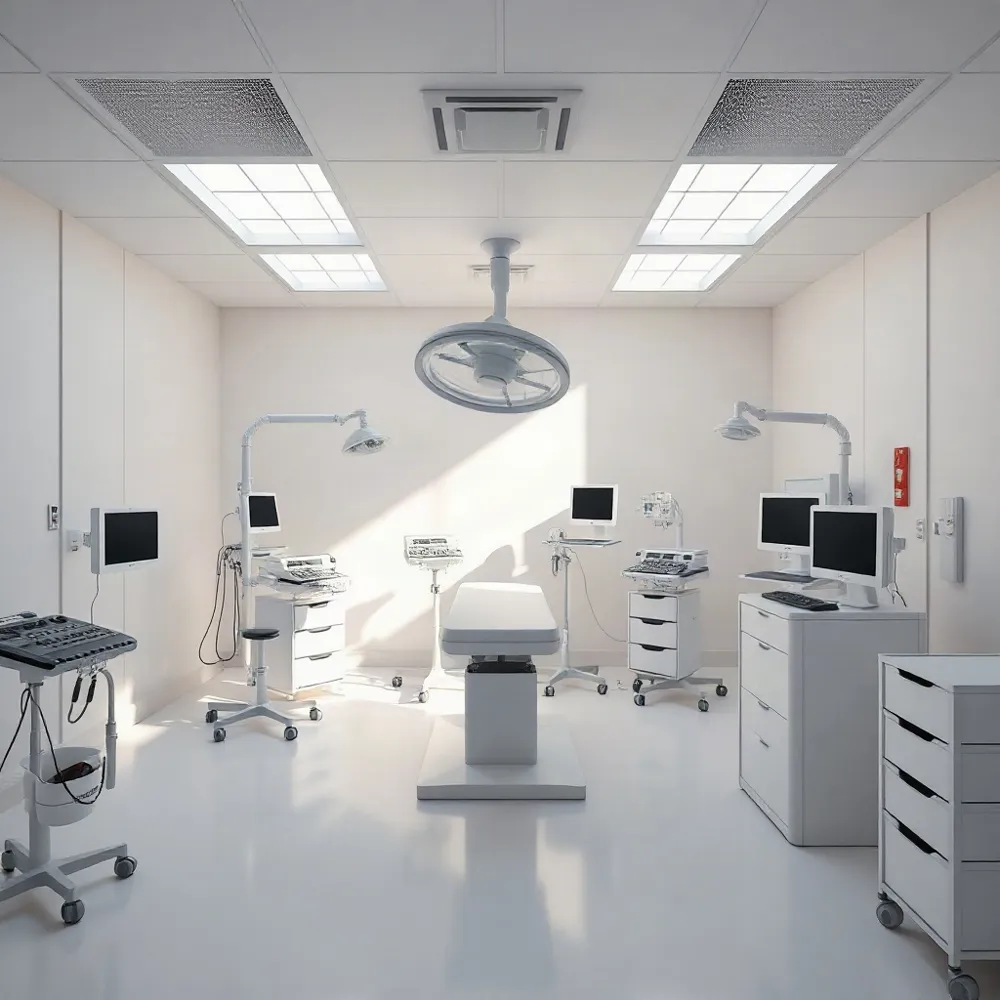
A Clearer Path to Gynecologic Surgery
How to Prepare for a Gynecologic Procedure
A Clearer Path to Gynecologic Surgery
Follow us here:



Taking charge of your reproductive health begins with recognizing that your experiences are valid and worthy of expert attention. Whether you are managing common conditions like uterine fibroids, endometriosis, or ovarian cysts, advocating for your well-being is the most important step in navigating care.
These conditions are highly prevalent, yet they are often surrounded by diagnostic delays or stigmatized silence. For example, endometriosis can involve an average 7-year gap between symptom onset and formal diagnosis. Because these issues can significantly impact daily life, fertility, and long-term health, modern medicine emphasizes a personalized, multidisciplinary approach rather than a one-size-fits-all protocol.
At raveco.com, our team specializes in bridging these gaps through advanced diagnostics and patient-centered treatment plans. Unlike standard care models that may overlook subtle symptoms, we prioritize minimally invasive procedures and customized management strategies designed to preserve your quality of life. From routine screenings to the management of complex pelvic health concerns, our clinicians work with you to ensure your health trajectory remains aligned with your personal goals.
Routine health maintenance acts as a cornerstone for identifying gynecological conditions before they progress. At raveco.com, we emphasize that early discovery through regular check-ups is the most effective way to address concerns like uterine fibroids or ovarian cysts long before they reach a stage that requires invasive management.
Physical pelvic exams serve as the initial investigative step, often uncovering masses that require further examination. For ovarian cysts, a transvaginal ultrasound is widely considered the gold standard for assessment. This modality provides clear, detailed data regarding the size, shape, and composition of a growth, allowing clinicians to distinguish between simple, fluid-filled structures that may resolve on their own and complex masses requiring intervention.
While ultrasound remains the first-line choice for most non-malignant conditions, other imaging technologies offer deeper insights into complex cases. MRI scans are frequently utilized to evaluate deep-infiltrating endometriosis or to map the exact location of fibroids in relation to surrounding pelvic organs. In contrast to more generalized diagnostic imaging used by high-turnover clinics, raveco.com utilizes a personalized approach, ensuring each imaging study is scoped specifically to provide the necessary clarity for your unique clinical history.
Proactive monitoring through these diagnostic approaches prevents the common seven-year diagnostic delay often associated with complex conditions like endometriosis. By confirming the status of your reproductive health through regular screenings, you secure the best opportunity for conservative management and long-term symptom relief.
Not every gynecological finding demands immediate surgical intervention. For many individuals, expectant management serves as a prudent first step, allowing the body time to resolve issues naturally. This approach is frequently applied to simple ovarian cysts and small, asymptomatic uterine fibroids that do not interfere with daily quality of life.
At raveco.com, we prioritize patient-centered care by carefully monitoring the progression of these conditions rather than rushing toward invasive procedures. While functional ovarian cysts often resolve spontaneously within eight weeks, consistent observation via transvaginal ultrasonography ensures that any significant changes in size or tissue composition are captured early.
Understanding when to transition from observation to active treatment is vital for long-term health. While expectant management is suitable for many, your medical team will shift the treatment plan if certain criteria are met. This includes instances where a mass causes persistent pelvic pressure, interferes with bladder or bowel function, or shows features that raise concern for malignancy, such as complex multilocular structures or rapid growth detected during follow-up scans.
When watchful waiting is no longer enough to manage symptoms, our specialists offer advanced minimally invasive procedures tailored to your needs. Whether performing a laparoscopic cystectomy or a myomectomy to remove fibroids while preserving uterine integrity, we focus on restoring your comfort while defending your future reproductive health goals.

While medical treatments address the clinical symptoms of conditions like endometriosis or uterine fibroids, integrating consistent lifestyle adjustments can improve your quality of life. At raveco.com, our team emphasizes that proactive wellness choices help you manage chronic symptoms and support long-term hormonal balance.
While no single diet cures uterine fibroids, prioritizing specific nutritional habits can support your overall health. Research suggests that incorporating a diet rich in fruits and vegetables is associated with a lower risk of development. Focusing on high-fiber foods, such as whole grains, supports healthy hormone metabolism and digestive regularity. Conversely, it is advisable to limit the consumption of red meat and ham, as these have been linked to an increased risk of fibroid growth. Maintaining a healthy weight through these nutritional adjustments serves as a foundation for effective gynecological symptom management.
Physical activity acts as a powerful tool in your gynecological wellness arsenal. Studies indicate that regular exercise can significantly lower the risk of developing fibroids, while also helping to manage the stress often associated with chronic pain. For patients experiencing pelvic discomfort due to conditions like endometriosis, our providers at raveco.com may recommend pelvic floor physical therapy. This specialized therapy helps address the tight, strained pelvic muscles that contribute to persistent pelvic pain.
In addition to physical movement, simple self-care techniques provide immediate comfort for symptomatic flare-ups. Applying heat therapy, such as warm baths or heating pads, can relax chronically tight pelvic muscles and alleviate menstrual cramping. These measures, combined with the personalized care plans offered at raveco.com, empower you to take an active role in managing gynecological symptoms rather than waiting for them to resolve on their own.
Managing gynecological symptoms through hormonal regulation is often a primary step in care. Balancing patient comfort with long-term hormonal health is emphasized, rather than relying on one-size-fits-all medical interventions. Hormonal contraceptives and progestins are frequently used to help manage heavy menstrual bleeding and pain caused by conditions like endometriosis or symptomatic fibroids by suppressing the natural cycle of hormone production.
For patients preparing for surgical procedures, clinicians may use short-term GnRH agonists to shrink fibroids. This approach can make subsequent minimally invasive surgeries more effective and easier to perform. Shared decision-making ensures that any prescribed hormonal therapy aligns with your reproductive goals and overall health status.
Uterine fibroids are noncancerous growths of muscle and tissue that are generally not considered dangerous, though they can significantly impact your quality of life. While many uterine fibroids are asymptomatic, they can cause complications such as heavy menstrual bleeding, pelvic pain, and pressure on the bladder or bowel. The exact trigger for fibroid development remains unclear, but it is believed to involve a combination of genetic factors and the reproductive hormones estrogen and progesterone. These hormones stimulate fibroid growth during the reproductive years, which is why these tumors often shrink after menopause when hormone levels decline. Because symptoms vary based on the size and location of the fibroids, a personalized consultation can help determine if treatment is necessary for your specific needs.
Declining hormone levels during menopause can surface as vasomotor symptoms, such as hot flashes. New FDA-approved nonhormonal treatments like fezolinetant offer relief by targeting hypothalamic signaling. Whether you are navigating chronic pelvic pain or the menopausal transition, comprehensive care strategies are available to prioritize your well-being. By integrating advanced diagnostics with evidence-based medical management, patients can regain confidence in their daily lives.

When diagnostic findings indicate that non-surgical management is insufficient, minimally invasive procedures often become the preferred pathway. These techniques allow surgeons to address complex conditions, such as deeper tissue involvement or symptomatic growths, while prioritizing the preservation of healthy organs.
For patients facing symptomatic uterine fibroids, a myomectomy enables the removal of these tumors while preserving the uterus. Similarly, laparoscopic excision surgery is the standard for treating endometriosis, as it allows for the precise removal of ectopic lesions that surface treatments, such as ablation, often leave behind. By utilizing these targeted approaches, the care team at raveco.com works to reduce symptoms like pelvic pain and heavy bleeding while maintaining the patient's future fertility potential.
Modern techniques, such as robotic-assisted surgery, provide enhanced visualization and dexterity, which are particularly beneficial when navigating complex pelvic anatomy. These methods generally result in smaller incisions, which can lead to reduced postoperative pain, lower blood loss, and a faster return to daily activities compared to traditional open surgery. Unlike open procedures, which often require longer recovery periods, these refined surgical methods allow for a more streamlined healing process. By integrating advanced diagnostic tools, providers ensure that surgery is handled with the precision necessary for long-term health.
Endometriosis commonly presents with pelvic pain, which may be felt as intense menstrual cramps, pain during intercourse, or discomfort while urinating or having bowel movements. Patients may also experience heavy or irregular menstrual bleeding, chronic abdominal or back pain, and challenges with fertility. Because symptoms can vary significantly in intensity and some individuals remain asymptomatic, diagnosis often begins with a thorough clinical evaluation of your medical history and specific symptoms. While imaging like ultrasound or MRI can sometimes identify deep-infiltrating endometriosis or ovarian cysts, these tests often cannot detect superficial tissue. Consequently, the gold standard for a definitive diagnosis remains a surgical procedure, which allows a specialist to visually inspect the pelvic cavity and biopsy tissue for confirmation.
Managing conditions such as endometriosis requires a transition from acute interventions to a sustained, multidisciplinary approach to persistent pelvic pain. Because this disease is driven by hormonal fluctuations and ongoing inflammation, current medical standards focus on stable management rather than a single permanent cure. At Raveco, we emphasize that because the condition can involve tissue growth in various pelvic locations, long-term health relies on personalized collaboration between the patient and their specialists.
Endometriosis remains a complex, chronic condition because its exact root cause is not fully understood, and the tissue can grow in various locations throughout the pelvis and beyond, making it difficult to eradicate completely. Because the disease is driven by hormonal fluctuations and ongoing inflammation, current medical approaches focus on long-term management rather than a single permanent cure. To support your quality of life, we often recommend a personalized, multidisciplinary strategy that may include hormonal therapies to suppress ovulation and manage estrogen levels. For persistent discomfort, we offer specialized pain management techniques, including anti-inflammatory medications and pelvic floor physical therapy. When conservative treatments are insufficient, minimally invasive surgical interventions can be used to effectively remove endometrial lesions and provide significant symptom relief.
Successful management hinges on shared decision-making between you and your care team. Unlike generic approaches that may fail to account for individual fertility goals or symptom severity, a patient-centered model ensures you remain at the center of the process. Ongoing support extends beyond surgery, incorporating nutritional counseling, stress reduction, and regular monitoring to adjust therapies as your needs evolve over your lifespan.
| Strategy | Clinical Benefit | Patient Outcome |
|---|---|---|
| Hormonal Therapy | Suppresses ovulation | Reduced pain cycles |
| Physical Therapy | Relaxes pelvic floor | Decreased muscle spasm |
| Surgical Excision | Removes lesions | Long-term relief |

Uterine fibroids often cause no symptoms, but when they do, they frequently manifest as heavy or prolonged menstrual bleeding and painful periods, as noted by the Cleveland Clinic. Many individuals experience significant pelvic pressure or a sense of fullness, as well as abdominal or lower back pain. Depending on their size and location, fibroids can compress the bladder, leading to urinary symptoms such as increased frequency, urgency, or difficulty emptying the bladder per the FDA.
In some cases, complications such as pressure on the bowels may cause constipation, while others may experience painful intercourse. Recognizing Uterine Fibroid Symptoms is the first step toward effective management. If you notice these persistent signs or feel an unusual firmness in your pelvis, it is important to consult a healthcare professional for a personalized evaluation. At raveco.com, our providers specialize in advanced assessment to distinguish fibroids from other pelvic conditions, ensuring that your path forward is tailored to your specific reproductive health goals and lifestyle.
Navigating gynecological health requires more than just clinical data; it demands a personalized approach that honors your unique medical history and goals. Specialists emphasize that management strategies for conditions like uterine fibroids or endometriosis are most effective when they align with your specific life stage, reproductive plans, and symptom severity. By selecting treatments that balance immediate relief with long-term well-being, patients can often find a path that avoids unnecessary interventions while addressing the root causes of pain or discomfort.
At raveco.com, our team is dedicated to providing exactly this level of individualized attention. Unlike larger hospital systems that may rely on standardized protocols and wait lists, providers at raveco.com offer direct access to sub-specialized care, including minimally invasive surgery and comprehensive fertility-conscious management. We prioritize shared decision-making, ensuring you have the information necessary to evaluate your options for managing chronic symptoms with clarity and peace of mind.
Patient empowerment begins with the recognition that you are an active participant in your healthcare journey. Whether you are seeking a first opinion for persistent pelvic pain or exploring routine diagnostic screenings, establishing a strong foundation with an expert provider is the most critical step. Reach out to the practitioners at raveco.com today to coordinate a consultation and take charge of your gynecological health with a clinical partner who truly listens.

.png)
%201.png)
Compassionate care for every stage of womanhood. Visit one of our convenient locations or book your appointment online today.