Protecting Ovarian Health: Signs, Symptoms, and Proactive Care
What Every Woman Should Know About Ovarian Health
Protecting Ovarian Health: Signs, Symptoms, and Proactive Care
Follow us here:


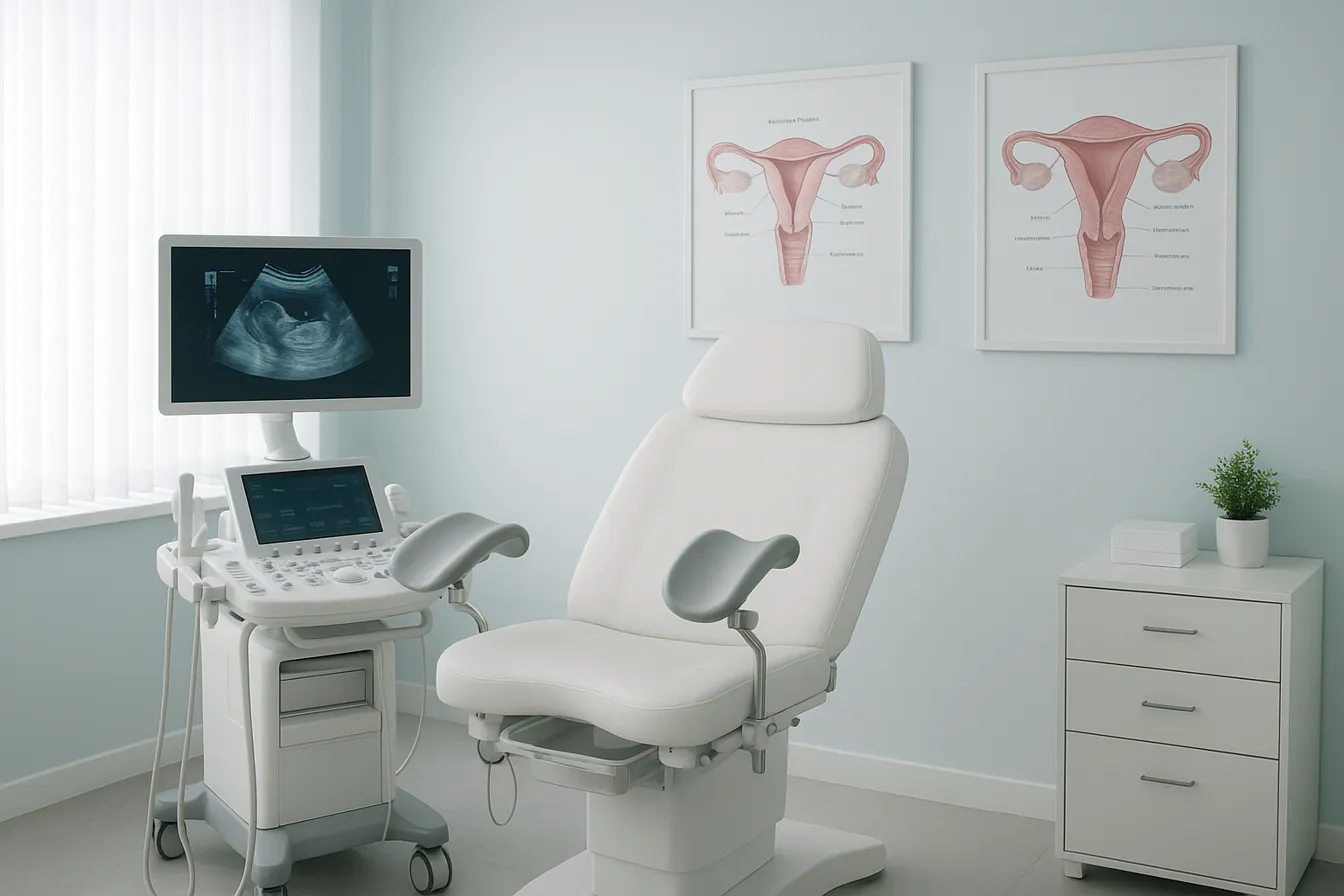
Menopause is a significant natural transition in every woman's life, typically occurring between ages 45 and 55, but its experiences are as varied as the women themselves. Symptoms such as hot flashes, mood changes, vaginal dryness, and cognitive shifts affect many women differently, influencing their physical and emotional well-being over several years.
Understanding menopause and its impact remains crucial. Women benefit immensely from education, tailored treatment, and compassionate support networks involving healthcare providers, family, and community. This awareness helps manage symptoms effectively and reduces the stigma often surrounding menopause.
This article section highlights inspiring patient success stories, showing how personalized care, lifestyle adjustments, and medical options, including hormone therapy, help women regain confidence and improve quality of life during menopause. Learning from these experiences empowers other women to navigate their menopause journey with hope and resilience.

Many women find that adjusting their lifestyle can significantly ease menopause symptoms. Key changes include diet changes for menopause such as increasing calcium and vitamin D intake, which help maintain bone health and reduce risks related to menopause.
Regular weight-bearing exercise is beneficial not only for strengthening bones but also for improving mood and overall wellbeing during this transition, highlighting the impact of exercise on menopause symptoms.
Stress management techniques like yoga, meditation, and tai chi have proven effective in lowering the frequency and intensity of hot flashes and enhancing emotional balance, a key part of stress management in menopause.
Simple environmental adjustments can also make a difference: keeping bedrooms cool, wearing breathable cotton clothes, and avoiding hot flash triggers such as spicy foods, caffeine, alcohol, and smoking can help managing hot flushes with diet and night sweats.
Good sleep hygiene is critical. Establishing consistent sleep routines and using mind-body relaxation can address sleep disturbances common in menopause, part of the broader lifestyle modifications and menopause.
Finally, emotional support—whether through counseling, support groups, or healthcare provider guidance—plays a crucial role in coping with the emotional and psychological changes of menopause, as described in social support during menopause.
Combining these lifestyle approaches with medical options like hormone replacement therapy (HRT) considerations, when appropriate and under medical supervision, offers a comprehensive strategy for symptom relief.

A holistic approaches to menopause care embraces both dietary changes and psychological well-being. It includes incorporating omega-3 fatty acids through foods like fatty fish, flaxseed, and walnuts, which support heart health and may alleviate menopausal symptoms such as mood fluctuations.
Phytoestrogens, natural plant compounds found in soy, flaxseed, and legumes, can help mildly balance hormones, potentially reducing hot flashes and improving mood.
Emotional health plays a vital role in menopause management. Stress reduction techniques such as cognitive behavioral therapy (CBT) in menopause and mindfulness can lessen anxiety and improve symptom coping.
Support from family, friends, and community groups encourages shared understanding and reduces feelings of isolation, enhancing a woman's ability to navigate menopausal changes with resilience. See also impact of social support on menopause.
Stress management in menopause strategies like CBT and mindfulness meditation offer practical tools to combat anxiety and mood swings commonly experienced during menopause.
These techniques promote relaxation, better sleep, and emotional balance, contributing to an improved quality of life during this transition.
Holistic approaches to menopause management integrates nutrition and mental health care, fostering balanced hormones and emotional wellbeing through mindful eating, social connection, and proven therapeutic practices.
Menopause symptoms, especially vasomotor symptoms like hot flashes and night sweats, affect up to 80% of women and can last for a median duration of approximately 7.4 years. For some women, symptoms persist for up to 12 years or even longer postmenopause. While many women experience improvement or complete resolution of these symptoms after entering postmenopause — defined as having no menstrual periods for at least one year — others may continue to face ongoing challenges such as vaginal dryness, mood swings, and memory difficulties.
Postmenopause can involve persistent vaginal dryness, irritation, and discomfort during intercourse, often linked to genitourinary syndrome of menopause (GSM). Women may also experience mood changes, including anxiety and depression, and cognitive effects such as brain fog. Physical changes like hair thinning, weight gain, and sleep disturbances are also reported. These symptoms contribute substantially to a woman’s quality of life and emotional well-being during this phase.
Hormone replacement therapy (HRT) , tailored to individual health profiles, remains the most effective treatment for vasomotor symptoms and may reduce risks like osteoporosis and cardiovascular disease when used appropriately. Vaginal estrogen products, including creams and rings, are specifically beneficial for managing GSM symptoms by restoring vaginal tissue health while minimizing systemic exposure. Nonhormonal options and recent FDA-approved therapies like fezolinetant offer alternatives for those unable or unwilling to use hormones.
Menopause symptom experiences are highly individualized, influenced by factors such as age at onset, health history, and lifestyle choices. Because of this variability, personalized management plans—combining medical treatments, lifestyle modifications, and psychosocial support—are critical. Women are encouraged to proactively consult healthcare providers skilled in menopause care to discuss symptom severity, treatment benefits and risks, and to tailor therapies. Open communication and regular monitoring ensure optimal symptom relief and improved quality of life throughout the menopausal transition and beyond.
Many women face significant hurdles when seeking treatment for menopause symptoms . A major barrier is the Menopause education gap, which often leads to women not recognizing their symptoms or delaying medical consultation. Cultural stigma and societal attitudes frequently hinder open discussions, resulting in embarrassment or shame around menopausal health.
Financial and insurance issues also restrict access to care. These constraints may prevent women from obtaining necessary treatments, especially when dealing with specialist consultations or hormone replacement therapy (HRT).
Additionally, a shortage of healthcare providers trained in menopause care, combined with systemic healthcare challenges, further limits women’s access to effective support. Many primary care providers lack adequate training, resulting in Misdiagnosis of menopause by healthcare professionals.
Improving education about menopause, expanding affordable healthcare options, and increasing provider training are critical steps to overcome these barriers. Enhanced awareness campaigns and supportive healthcare environments can empower women to seek timely, personalized care, improving quality of life during menopause.
Personal stories are invaluable in providing a window into the wide variety of menopause symptoms women experience, such as hot flashes, brain fog, vaginal dryness, and emotional changes. These firsthand accounts reveal not only the physical and emotional challenges faced but also highlight the unique nature of each woman’s menopause journey (personal menopause stories).
Sharing these narratives plays a crucial role in reducing stigma around menopause by opening up conversations that are often overlooked or misunderstood (My Menopause Story). Women recounting their experiences help others to feel seen and heard, which promotes awareness and encourages those suffering to seek professional guidance rather than simply enduring symptoms in silence (menopause experiences).
Moreover, storytelling exposes gaps in healthcare, such as delayed diagnoses, limited access to treatments like hormone replacement therapy (HRT), and lack of training among providers. Women emphasize the need for knowledgeable, empathetic healthcare professionals who can offer tailored management plans and support (Menopause education gap).
These shared experiences foster advocacy and empowerment by encouraging women to take control of their health, actively engage in treatment decisions, and connect with supportive communities (menopause support groups. Ultimately, personal stories not only enrich understanding but also drive improvements in symptom management and social support networks during menopause (Menopause information and support).

Severe menopause symptoms and perimenopause symptoms can dramatically influence a woman's daily life and overall well-being.
Physically, many women endure intense hot flashes and night sweats that disrupt sleep, causing chronic fatigue and reduced concentration during the day. Joint pain and other body aches further diminish comfort and mobility, limiting everyday activities.
Emotionally and mentally, mood swings, anxiety relief during menopause, and depression are frequently reported, significantly affecting personal relationships and social interactions. Cognitive difficulties like brain fog can contribute to frustration and stress.
The cumulative effect of these symptoms often leads to decreased quality of life, making management essential. Comprehensive treatment strategies include Hormone therapy for menopause, lifestyle modifications and menopause, such as diet and exercise, and support systems involving healthcare providers and support groups for menopause.
Addressing both the physical and emotional challenges helps women maintain menopause and cognitive function improvements, improve sleep quality, and preserve intimacy and social connections during this transitional phase.

Hormone Replacement Therapy (HRT) is tailored to individual needs, often involving both systemic and local treatment options. Systemic HRT typically includes oral or transdermal estrogen and progestin formulations, addressing widespread symptoms like hot flashes and night sweats and mood swings. Local therapies, such as vaginal estrogen creams or rings, target genitourinary issues like vaginal dryness and urinary discomfort.
Many women report significant improvements in quality of life after starting HRT. For example, systemic therapy can reduce Management of hot flashes and night sweats in menopause and enhance mood stability, as well as support cognitive function. Local estrogen treatments efficiently alleviate vaginal dryness and discomfort, improving sexual health and reducing urinary symptoms.
Effective hormone therapy requires ongoing monitoring by healthcare providers experienced in menopause management. Safety is emphasized through the use of the lowest effective hormone dose for the shortest duration needed. Regular follow-ups help tailor treatments and minimize risks, such as those related to cardiovascular health or cancer.
Although bioidentical hormone therapies are popular, they lack FDA approval and consistent safety data. Certified menopause specialists recommend using FDA-approved hormone therapies, which have established efficacy and safety profiles. This reduces risks associated with compounded hormones and ensures regulated quality.
Integrating HRT with lifestyle modifications and menopause including diet, exercise, stress reduction, and supplements provides a holistic approach to menopause care. Such strategies help optimize symptom relief, support mental wellbeing, and enhance physical health alongside hormone therapy.
| Aspect | Details | Benefit |
|---|---|---|
| Personalized HRT | Systemic and local options | Tailored symptom management |
| Symptom Relief | Hot flashes, mood, vaginal health | Improved quality of life |
| Safety Monitoring | Experienced providers, lowest dose | Minimized side effects, enhanced safety |
| Hormone Selection | FDA-approved over bioidentical | Proven efficacy and safety |
| Holistic Approach | Lifestyle, diet, exercise | Comprehensive wellbeing |
Many women manage menopause symptoms through diet, exercise, stress management, and supplements like vitamin D and probiotics. These approaches, alongside hormone therapy, contribute to symptom relief and improved wellbeing. Symptoms can persist for years, making ongoing care critical. Yet, barriers like lack of awareness and limited access to treatment delay many from seeking help.
Women’s firsthand experiences reveal the multifaceted impact of symptoms such as hot flashes, brain fog, and vaginal dryness. Sharing these stories enhances understanding and empowers women to advocate for better care and information.
Women are encouraged to engage with healthcare providers knowledgeable about menopause and pursue education and community backing. Open discussions reduce stigma and promote personalized treatment plans.
Viewing menopause as a natural life transition allows women to embrace this phase with hope. Success stories highlight positive outcomes when women combine professional care with lifestyle adjustments and support networks.

.png)
%201.png)
Compassionate care for every stage of womanhood. Visit one of our convenient locations or book your appointment online today.