Protecting Ovarian Health: Signs, Symptoms, and Proactive Care
What Every Woman Should Know About Ovarian Health
Protecting Ovarian Health: Signs, Symptoms, and Proactive Care
Follow us here:


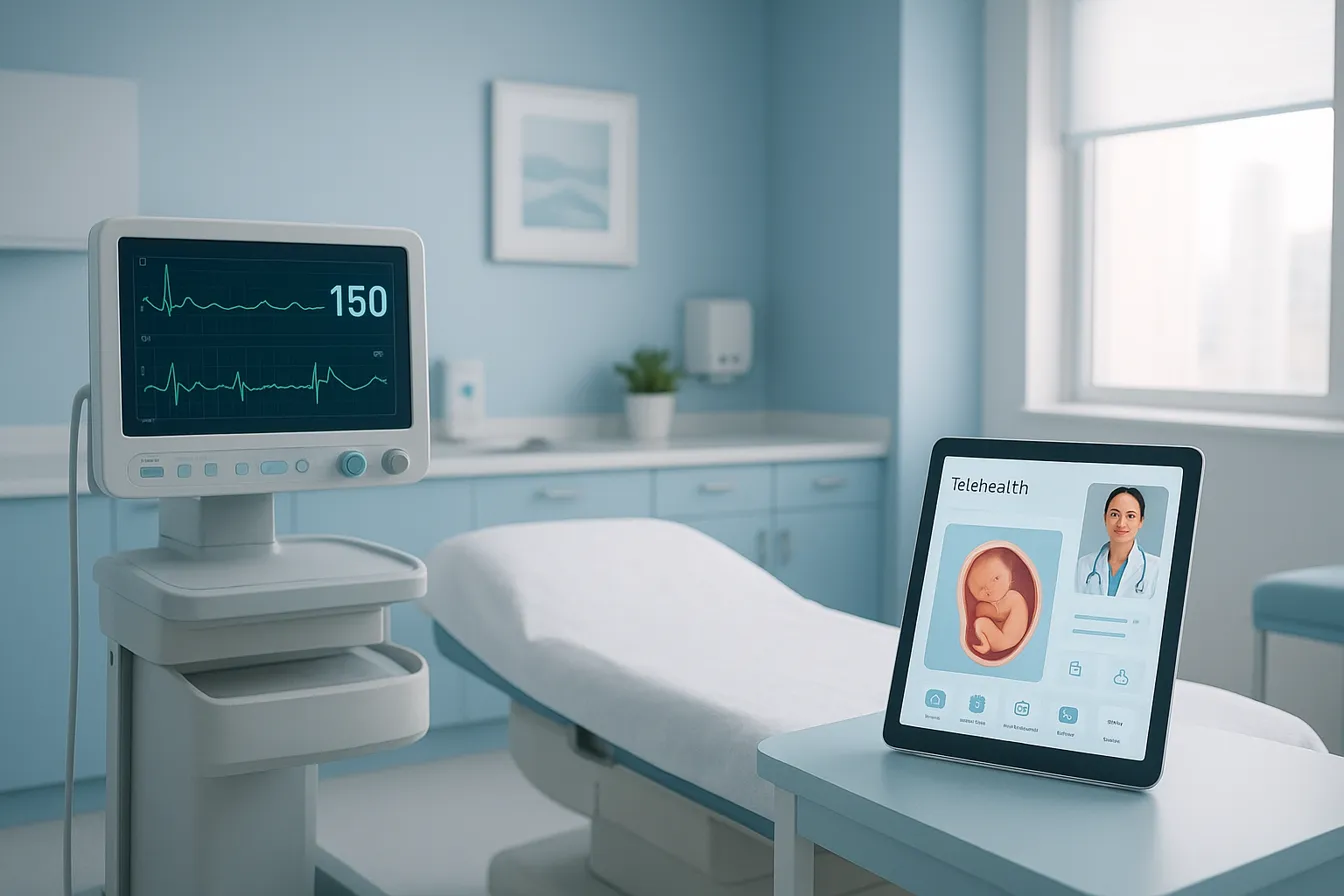
Remote monitoring and telehealth have become central to modern pregnancy care, offering safe, continuous oversight of maternal and fetal health without frequent in-person visits. Technologies such as wearable devices and Bluetooth-enabled monitors track vital signs like blood pressure, fetal heart rate, and blood sugar remotely. These tools enable early detection of complications, especially in high-risk pregnancies, while providing convenience and reducing travel burdens for patients.
Personalized prenatal care is now emphasized, with guidelines recommending tailored visit schedules and home monitoring based on individual medical risks and social factors. Telehealth expands access to care, particularly benefiting rural and underserved populations where traditional obstetric services may be limited or unavailable. This approach supports equity in maternal health, ensuring close monitoring and timely interventions for all women during pregnancy and postpartum.
Together, these innovations are reshaping pregnancy care, focusing on accessible, patient-centered, and technology-enabled strategies that improve outcomes and empower mothers throughout their pregnancy journey.

Telehealth in obstetrics uses digital communication technologies like video consultations, mobile apps, and remote monitoring devices to provide prenatal, postpartum, and gynecological care outside traditional clinics. This approach allows for remote monitoring for pregnancy such as blood pressure, fetal heartbeat, and medication adherence. It supports a continuum of care from early pregnancy through postpartum, accommodating both routine and high-risk cases.
Virtual visits enable patients to consult with healthcare providers via video or phone, reducing the need for frequent in-person appointments. Remote patient monitoring (RPM) devices, including Bluetooth-enabled blood pressure cuffs and fetal heart monitors, transmit real-time data directly to electronic health records, allowing continuous oversight of maternal and fetal health. These tools help detect complications early and facilitate timely interventions.
For high-risk pregnancies—such as those complicated by hypertension, diabetes, or advanced maternal age—telehealth enables more frequent and convenient monitoring. RPM devices track vital signs remotely, aiding in early detection of issues like preeclampsia or fetal distress. Additionally, telehealth expands access to mental health services for anxiety, depression, and postpartum support, using counseling and psychiatric care delivered remotely.
Rural communities often face limited access to obstetric care due to hospital closures and provider shortages. Telehealth bridges this gap by providing virtual prenatal visits and RPM, reducing travel burdens and improving adherence to care. Programs have demonstrated success in rural areas by maintaining monitoring and specialist consultations remotely, thereby lowering maternal and infant mortality rates and enhancing equity.
Challenges to telehealth adoption include technology access disparities, broadband limitations, startup costs, and provider licensing across state lines. Regulatory frameworks require clinicians to be licensed in patients’ states, with initiatives like the Interstate Medical Licensure Compact easing cross-state practice. Adhering to HIPAA ensures patient data security. Moreover, established billing codes and reimbursement policies support telehealth services. The "7-day rule" emphasizes that postpartum care should ideally start within 7 to 10 days after delivery via telehealth or in-person visits to improve outcomes.
| Aspect | Impact | Notes |
|---|---|---|
| Definition | Digital care delivery beyond clinic | Includes video visits, RPM, health apps |
| Monitoring | Real-time maternal and fetal health data | Devices include blood pressure cuffs, fetal Dopplers |
| High-risk management | Frequent monitoring, early intervention | Improves safety for conditions like preeclampsia |
| Rural access | Increased care access, reduced travel | Addresses provider shortages and hospital closures |
| Barriers & regulations | Licensing, privacy, technology access | Interstate compacts and HIPAA guide practices |
| Postpartum care timing | Early follow-up within 7-10 days | Enhances screening and complication detection |

Yes, remote patient monitoring (RPM) is a specialized form of telehealth. Telehealth broadly refers to delivering healthcare services remotely using technology, encompassing virtual visits, education, consultations, and more. RPM specifically focuses on the use of internet-enabled medical devices to continuously track vital signs and health data outside traditional clinical settings. In pregnancy care, this includes devices such as blood pressure cuffs, blood glucose meters, and wearable sensors that collect maternal and fetal health information. These devices transmit data securely to healthcare providers, enabling proactive management of pregnancy conditions, early detection of complications, and personalized care while minimizing clinic visits.
Common RPM devices for pregnancy include:
These tools empower patients to participate actively in their health management and allow clinicians to respond promptly to abnormal readings. These types of monitoring devices and strategies are discussed extensively in Remote monitoring for pregnancy.
Several FDA-approved devices have been developed or adapted for pregnancy RPM:
These platforms facilitate real-time data sharing, integrated into electronic health records to enhance clinical decision-making, optimizing integration with electronic health records.
Continuous fetal monitoring at home offers significant benefits including greater convenience, reduced need for frequent in-person visits, and enhanced safety through earlier detection of fetal distress and maternal complications.
Studies have demonstrated the efficacy and accuracy of devices like Nuvo INVU, showing close agreement with in-clinic monitoring. This allows high-risk pregnancies, especially in rural or underserved areas, to be closely managed without excessive travel or hospital visits. Furthermore, real-time data transmission supports timely clinical interventions, improving pregnancy outcomes.
Continuous monitoring also supports patient engagement by offering reassurance and empowering women to participate in their care. These benefits and evidence align with findings reported on remote monitoring for high-risk pregnancy and telehealth in prenatal care.
Implementing RPM requires strict adherence to data privacy and security standards. HIPAA compliance is mandatory, with encrypted data transmission, secure storage, and access controls protecting sensitive maternal and fetal information.
Integration with electronic health records (EHRs) is vital for seamless clinical workflows, allowing providers to view RPM data alongside other patient information. Ensuring user-friendly platforms encourages patient adherence and clinician acceptance.
Designing these systems to accommodate physiological changes during pregnancy, remain unobtrusive, and function in varied environments, including postpartum, is critical for sustained success. Such design considerations for pregnancy wearables and data security in pregnancy monitoring are essential for trust and efficacy.
| Aspect | Details | Importance |
|---|---|---|
| Telehealth definition | Broad use of technology for remote care | RPM is a focused form within telehealth |
| Common devices | Blood pressure, glucose meters, fetal heart rate monitors | Enables proactive maternal and fetal health monitoring (Remote monitoring for pregnancy) |
| FDA-approved platforms | Nuvo INVU, ANNE One, GE Novii Patch | Provide validated, reliable remote monitoring |
| Benefits of home monitoring | Convenience, fewer visits, early complication detection | Improves safety, access, and patient engagement (Remote monitoring for high-risk pregnancy) |
| Security & integration | HIPAA compliance, encrypted data, EHR integration | Ensures privacy, trust, and clinical utility (Implementing Telehealth in Obstetrics) |

Recent advances in pregnancy care focus heavily on remote monitoring for pregnancy and sophisticated diagnostic tools. Wearable sensor systems like Nuvo's INVU belt and GE Healthcare's Novii Patch are FDA-approved pregnancy wearables that noninvasively monitor maternal and fetal vital signs including monitoring fetal heart rate and tracking uterine contractions. These systems enable continuous, real-time tracking, which is particularly beneficial for managing remote monitoring for high-risk pregnancy and improving monitoring convenience.
Innovations in Advancements in Ultrasound Technology include 3D and 4D imaging, providing high-resolution, lifelike visualizations that enhance early diagnosis and parental bonding. AI-assisted imaging streamlines analysis and reduces errors, while portable and wireless ultrasound devices improve access across healthcare settings.
Machine learning in pregnancy monitoring algorithms are being integrated to identify early warning signs for complications such as preeclampsia monitoring technology, combining biophysical data with biochemical indicators for precise risk assessment. These technologies promote personalized care tailored to individual patient needs.
By enabling continuous and remote surveillance, new technologies allow earlier identification of pregnancy complications like hypertensive disorders, fetal distress, and hemorrhage. Remote patient monitoring during COVID-19 devices reduce emergency department visits and unplanned hospitalizations by alerting clinicians to changes before conditions worsen.
Advanced diagnostics such as High-Resolution Doppler Ultrasound improve placental and fetal blood flow assessments, facilitating timely interventions. The integration of Telehealth for new parents platforms with wearable devices supports consistent monitoring and enhances clinical decision-making.
Overall, these technological advances contribute to improved maternal and newborn outcomes through earlier diagnosis, better risk stratification, and greater patient engagement, while also reducing healthcare costs and burdens associated with frequent in-person visits.

Telemedicine is increasingly integrated into Prenatal Care via Telehealth by providing virtual visits and enabling at-home monitoring of critical health markers such as blood pressure and blood glucose. This approach reduces the need for frequent in-person clinic visits, which benefits pregnant women facing travel constraints or living in remote areas.
Rural communities face significant obstacles like hospital closures and lack of obstetric services, which exacerbate maternal health disparities. Innovation in Rural Maternal Care bridges this gap by connecting patients to specialists remotely and supporting local clinics with virtual monitoring. Programs such as the University of Mississippi Medical Center’s Maternal Hypertension RPM project exemplify how telehealth assists high-risk patients in underserved regions.
Initiatives like Kaiser Permanente’s Cocoon Pregnancy Care Program, vidaRPM remote pregnancy and postpartum monitoring, and Maternal Telehealth Program at Bayfront Health provide comprehensive remote monitoring including blood pressure, blood sugar, and mental health assessments. These programs emphasize early postpartum follow-up and continuous engagement to improve outcomes and patient satisfaction.
Effective telehealth maternal programs incorporate culturally sensitive care and recognize social determinants such as housing, transportation, and food security, which impact health outcomes. Kaiser Permanente’s equity training and Bayfront Health’s tailored support exemplify strategies that address these broader needs alongside clinical care.
Telemedicine extends beyond prenatal care, offering vital postpartum services like lactation consultation, mental health counseling, and remote blood pressure checks. Access to resources such as the US National Maternal Mental Health Hotline ensures preserved continuity of care, reducing risks of anxiety, depression, and complications.
Though telehealth shows strong promise, its expansion is limited by variable insurance reimbursement, state licensure laws, and technology access disparities. Medicare has begun reimbursing remote blood pressure monitoring, and some states are enacting supportive legislation. Yet, digital infrastructure and equitable access remain barriers that must be overcome to fully realize Implementing Telehealth in Obstetrics and Gynecology.
| Topic | Description | Example Programs |
|---|---|---|
| Prenatal telemedicine | Virtual visits & remote monitoring of vitals | Mayo Clinic OB Nest program, Inova Telehealth Program |
| Rural maternal care | Remote specialist access, support for underserved areas | University of Mississippi RPM project, Nuvo remote fetal monitoring |
| Maternal telehealth programs | Comprehensive care including monitoring and education | Kaiser Permanente Cocoon, vidaRPM, Bayfront Health Telehealth |
| Culturally responsive care | Addressing social determinants and equity | Kaiser Permanente initiatives, Bayfront Health support |
| Postpartum support | Mental health, lactation, and remote monitoring | National Maternal Mental Health Hotline, Telelactation services |
| Policy & reimbursement | Impact on telehealth availability | Medicare remote monitoring codes, state licensing compacts |

Pregnant women experiencing any concerns or unusual symptoms should promptly reach out to their healthcare provider. Early contact with a midwife or obstetrician—ideally by 10 weeks gestation—helps ensure timely antenatal care. In the UK, women can self-refer to NHS pregnancy services online or through their local trusts for early support. In the US, it is advised to consult with an obstetrician-gynecologist, primary care physician, or maternal-fetal medicine specialist who can provide personalized advice based on individual health needs and ongoing pregnancy progress. (Using telehealth during pregnancy)
Experts generally recommend limiting continuous phone use to 1 to 2 hours at a time, accompanied by regular breaks. This helps reduce eye strain, fatigue, and potential exposure to electromagnetic radiation, effects of which during pregnancy are still being researched. To minimize any risk, using speaker mode or hands-free headphones is advised, keeping the device away from the abdomen. Maintaining good posture during phone use helps avoid muscle strain. Pregnant women should prioritize moderation and discuss any concerns about device usage with their healthcare provider. (Telehealth for new parents
Prenatal care has evolved from informal, unstructured practices to scientifically guided protocols. Since the 1930s, a standard schedule of frequent in-person visits was common, but modern care emphasizes personalized risk-based approaches supported by advances in technology. Home monitoring devices, ultrasounds, and genetic testing have enhanced early detection and monitoring capabilities. The COVID-19 pandemic fast-tracked telehealth adoption, enabling hybrid prenatal care with fewer in-person visits while maintaining pregnancy safety. Emerging models now incorporate remote monitoring for pregnancy and group care, focusing on flexibility and patient empowerment. (Revolutionizing prenatal care) (Prenatal Care via Telehealth) (Advancements in Ultrasound Technology)
Digital tools like mobile apps, wearable devices, and remote monitoring systems encourage active patient engagement by allowing women to track vital signs and symptoms at home. Studies show that adherence improves when technology use is coupled with patient-centered feedback and flexible scheduling. Empowering pregnant women with accessible telehealth options helps overcome barriers such as travel burdens and inflexible appointment times, increasing care satisfaction and outcomes. Healthcare providers play a critical role in supporting digital literacy and tailoring technology integration to individual needs, promoting confident self-care throughout pregnancy and postpartum periods. (Digital health technologies in prenatal care) (Implementing Telehealth in Obstetrics and Gynecology
Advancements in artificial intelligence (AI) and machine learning are enhancing remote pregnancy monitoring by enabling earlier detection of complications through predictive analytics. These technologies analyze maternal and fetal data continuously, improving risk assessment and personalized care.
Despite technological progress, access disparities persist. Bridging digital divides—such as broadband access and digital literacy—is vital to ensure all pregnant patients benefit from remote care. Patient-centered design, adaptive scheduling, and culturally responsive feedback promote higher engagement and adherence.
Implementation success hinges on robust health policies and reimbursement models supporting telehealth and remote monitoring. Expanded insurance coverage and standardized coding bolster adoption and sustainability, especially for underserved populations.
Remote monitoring and telehealth promise to reduce maternal mortality by enabling timely intervention and continuous oversight. This approach is especially critical in rural and high-risk communities, offering equitable access to quality prenatal and postpartum care nationwide.

.png)
%201.png)
Compassionate care for every stage of womanhood. Visit one of our convenient locations or book your appointment online today.