Protecting Ovarian Health: Signs, Symptoms, and Proactive Care
What Every Woman Should Know About Ovarian Health
Protecting Ovarian Health: Signs, Symptoms, and Proactive Care
Follow us here:


Preventive care for women involves regular health screenings, checkups, and lifestyle counseling aimed at early detection and prevention of diseases. It includes actions like vaccinations, cancer screenings, and managing risk factors before symptoms appear.
Early identification through screenings allows treatment before conditions advance, improving health outcomes. Personalized preventive care tailors screenings to each woman’s unique risk and life stage, fostering better long-term wellness and quality of life.

Women's preventative care focuses on regular health screenings and assessments designed to detect potential health issues early and promote long-term wellbeing. It includes vital tests such as Pap smears and HPV tests to monitor cervical health, breast cancer screenings, sexually transmitted infection (STI) evaluations, and bone density assessments later in life. Annual check-ups provide opportunities to manage chronic risks like heart disease, discuss healthy lifestyle habits, and prevent serious illnesses through personalized care tailored to each woman's needs.
For women around 25, healthcare providers recommend Health screenings for women ages 18 to 39 that review overall health, vital signs, and lifestyle factors. Routine Pap smears every three years screen for cervical cancer, and HPV vaccination should be kept up-to-date if not completed during adolescence. STI screenings, particularly for chlamydia and gonorrhea, are important for sexually active women with multiple partners or higher risk.
Blood pressure checks every 3–5 years, and cholesterol screenings starting at age 20 if risk factors exist, help monitor cardiovascular health. Diabetes screening may be warranted based on personal and family history. Regular dental and eye exams maintain oral and vision health. Maintaining current immunizations like annual flu shots and tetanus boosters supports overall wellness.
Women in their 20s are encouraged to establish healthy habits that lay a foundation for lifelong health. This includes eating balanced meals according to guidelines like the MyPlate Plan nutrition advice, engaging in at least 30 minutes of physical activity daily, maintaining a healthy weight, and ensuring 7 to 9 hours of sleep each night.
Avoidance of smoking, limiting alcohol to one drink or less daily, and steering clear of illicit drugs are crucial preventive strategies. Mental health discussions should be part of routine care to address stress, mood changes, and emotional wellbeing, especially given hormonal fluctuations during menstrual cycles. See more on healthy living in your 20s.
Blood pressure should be measured every 3 to 5 years in healthy women but more frequently if there are risk factors like diabetes or family history. Cholesterol screening may begin as early as age 20 when risk factors are present; otherwise, it can start later. For STIs, sexually active women under 25 should be tested annually for infections such as chlamydia and gonorrhea, and testing for HIV at least once between ages 15 and 65 is advised.
By following these regular health assessments and embracing preventive care measures, women in their 20s can build a strong foundation for optimal health throughout their lives.
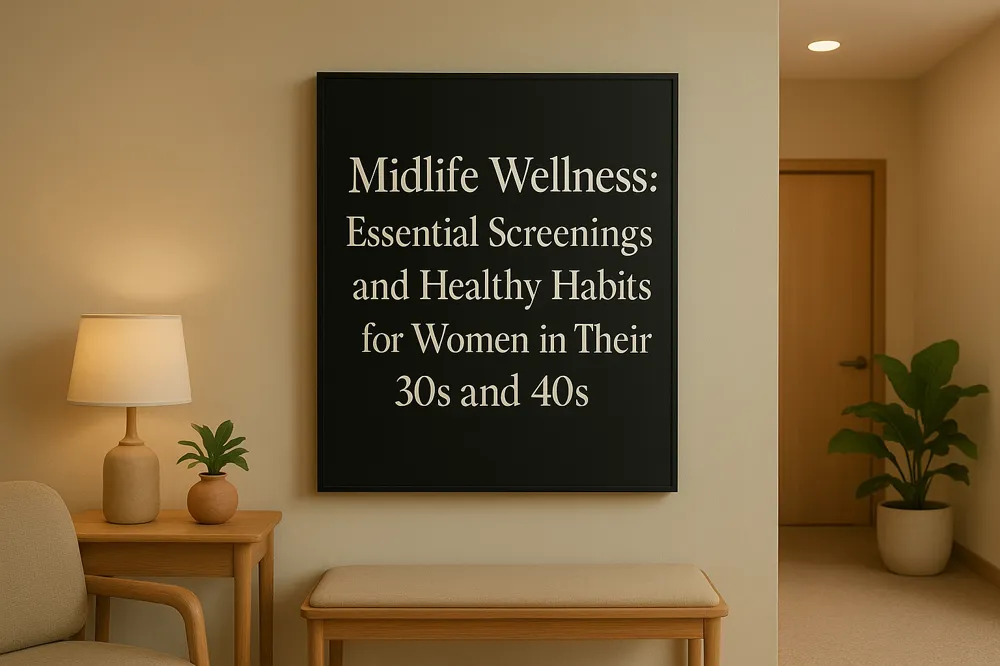
Women should begin regular cervical cancer screenings starting at age 21, with Pap tests recommended every three years for women aged 21-29. After age 30, co-testing with Pap plus HPV tests every five years is advised if previous results were normal. Mammography screening becomes essential starting at age 40 to detect breast cancer early, typically performed annually or every 1-2 years based on risk factors.
Cholesterol screening should start by age 45 for women without heart disease risk, but earlier testing is recommended for those with risk factors, repeating every five years or more frequently as needed. Diabetes screening, particularly for prediabetes and type 2 diabetes, begins at age 35, especially for women who are overweight or obese.
Routine health checkups also include blood pressure monitoring, thyroid testing if symptoms exist, and assessments for osteoporosis, colon cancer screenings from age 45, and sexually transmitted infection testing depending on individual risk.
Women in their 30s often experience hormonal fluctuations impacting menstrual cycles, fertility, and conditions such as PCOS and endometriosis. Managing stress and mental health, including anxiety and depression, is critical due to life pressures. Metabolic changes can increase risks of weight gain and cardiovascular disease, so healthy eating and physical activity are important (source).
Bone density begins a gradual decline, necessitating adequate calcium and vitamin D intake alongside weight-bearing exercises to support bone health. Early detection and management through regular checkups help address these challenges effectively (source.
A balanced, nutrient-dense diet rich in whole foods and plants supports overall well-being. Regular physical activity, maintaining a healthy weight, and prioritizing sufficient sleep (7-9 hours) are recommended (source).
Preventive care, including vaccinations and screenings, should be kept up-to-date. Whether planning pregnancy or not, women in their 30s should consider folic acid supplementation and make informed health decisions (source. Mental health support through mindfulness, therapy, or social connection also plays an important role.
| Topic | Recommendations and Notes | Age Focus |
|---|---|---|
| Cervical Cancer Screening | Pap every 3 years; Pap+HPV every 5 years if normal | 21-65 years |
| Mammograms | Annual or biennial starting at age 40 | 40+ years |
| Cholesterol Screening | Start at 45 or earlier if risk factors; every 5 yrs | 35 and up |
| Diabetes Screening | Begin at 35; more frequent if overweight or at risk | 35 and up |
| Bone Health | Adequate calcium, vitamin D, weight-bearing exercise (source | 30s onward |
| Mental Health | Stress management, therapy, social support (source | 30s onwards |
| Healthy Lifestyle | Balanced diet, exercise, sleep, folic acid supplementation (source | 30s onwards |

Women over 40 should engage in a broad spectrum of preventive health measures to sustain wellness and detect potential issues early. Annual mammograms starting at age 40, typically recommended every 1 to 2 years, help identify breast cancer at treatable stages. Alongside mammography, annual breast exams performed by healthcare providers are essential.
Regular monitoring of blood pressure should occur at least once a year to identify hypertension early, a major risk factor for heart disease and stroke. Cholesterol screenings generally begin at age 45 and are repeated every five years or sooner if risk factors exist. Diabetes screening is advised every three years starting at age 45, with more frequent testing if overweight or having a family history.
Cervical cancer screening involves Pap tests every three years or combined Pap and HPV testing every five years for women aged 30 to 65. These tests detect abnormal cervical cells and HPV infections, which if untreated, may lead to cancer. Colorectal cancer screening should commence at age 45, using colonoscopies every 10 years or annual stool-based tests, facilitating early identification and removal of precancerous growths.
Bone density scanning is recommended starting at age 65 or earlier for women with risk factors to evaluate osteoporosis risk and prevent fractures. Eye exams every 1 to 4 years monitor vision changes, while hearing tests every three years after age 50 detect age-related decline.
Immunizations remain critical, including annual influenza shots, Tdap boosters every 10 years, shingles vaccine starting at age 50, and COVID-19 vaccines as advised. Mental health assessments and lifestyle counseling on nutrition, physical activity, smoking cessation, and alcohol use are integral for holistic care.
Most guidelines recommend stopping routine mammography screening at age 74 because the balance of benefits and harms shifts in older age. While breast cancer risk increases with age, evidence supporting routine screening effectiveness beyond 74 is limited due to fewer clinical trials involving this age group. Potential harms such as false positives, overdiagnosis, and overtreatment are concerns, especially for older women who may have other health conditions or limited life expectancy.
For women older than 75 who are healthy and have a life expectancy of at least 10 years, screening decisions should be individualized. Shared discussions with healthcare providers can evaluate the woman's health status, personal risk factors, and preferences to decide if continued mammograms are beneficial. Thus, age alone is not a strict cutoff; rather, personalized care ensures appropriate preventive strategies.
| Screening/Test | Recommended Age Range | Purpose/Notes |
|---|---|---|
| Mammograms | Start at age 40, consider stopping at 74 | Early breast cancer detection |
| Blood Pressure | At least annually from age 40 | Hypertension monitoring |
| Cholesterol Screening | Start at 45, every 5 years | Assess cardiovascular risk |
| Diabetes Screening | Every 3 years starting at 45 | Detect type 2 diabetes |
| Cervical Cancer Screening | Pap every 3 years, Pap+HPV every 5 starting at 30 | Prevent cervical cancer |
| Colorectal Cancer Screening | Start at 45, colonoscopy every 10 years | Early detection/prevention |
| Bone Density Scan | From 65 or earlier if at risk | Osteoporosis assessment |
| Immunizations | Annual flu, Tdap every 10 years, shingles at 50 | Infection prevention |
| Mental Health & Lifestyle | Continuous | Holistic health maintenance |

Women in their 50s often face the onset of menopause, typically occurring between ages 40 and 60. Managing symptoms such as hot flashes, night sweats, and mood changes is important for quality of life. Hormone level testing may assist in tailoring symptom management. Preventing osteoporosis is a priority as menopause increases bone loss risk; maintaining a healthy diet rich in calcium and vitamin D, along with regular weight-bearing exercise, supports bone health. See menopause health tips for women in their 50s and osteoporosis prevention for women.
Bone mineral density scans (DEXA) are recommended starting around age 65 or earlier for postmenopausal women with risk factors for osteoporosis, aiding in fracture risk assessment. Early identification allows for timely preventive treatments and lifestyle modifications to reduce fracture risk. Refer to Bone mineral density scan at age 65 and Bone density screening guidelines.
Women should continue regular mammograms every 1-2 years from age 40 to at least age 74, with decisions beyond that age made individually. Annual mammograms starting at age 40 and Mammograms every 1-2 years after 50 are recommended. Cervical cancer screening is advised every 3-5 years until about age 65 when based on individual risk and prior test results as outlined in Pap smear and HPV testing every three to five years. Colon cancer screening should begin at age 45 and continue until around age 75, using methods like colonoscopy or stool tests (Colon cancer screening starting at age 45 and Colon cancer screenings in 40s and 50s).
As women age, eye examinations every few years become essential to detect age-related changes such as glaucoma or macular degeneration. Hearing tests are recommended every 3 years after age 50 to monitor for decline (Hearing tests every 3 years from age 50). Annual lung cancer screening with low-dose CT scans is advised for women aged 50–80 who have a significant smoking history to enable early detection (Lung cancer screening low-dose CT for smokers).
Maintaining mobility through physical activity helps prevent falls and functional decline. Maintaining mobility for older women is vital. Mental health care remains critical, recognizing the impact of hormonal changes and the risk of depression (mental health care for women). A balanced diet, regular exercise, weight management, and avoidance of risky behaviors like smoking support overall cardiovascular and metabolic health (healthy lifestyle for cardiovascular and diabetes risk; avoiding risky behaviors like texting while driving.
Mammograms are typically stopped at age 74 because most guidelines base screening benefits on evidence for women between 50 and 74. Beyond this, the data is less clear due to increased comorbidities and limited studies. Risks such as false positives and overdiagnosis may outweigh benefits in women with limited life expectancy. Women over 75 in good health may still benefit from individualized screening decisions based on life expectancy and preferences. See Mammogram and colon cancer screening discussions at age 75 and Screening considerations for women 75 and older.

The ACA mandates that most health insurance plans—including Marketplace plans—cover a broad range of Preventive care benefits for women without any copays or coinsurance when services are delivered in-network. This ensures that key preventive care is financially accessible to women at all life stages.
Coverage includes essential screenings and health services such as mammograms for breast cancer, Pap tests for cervical cancer, colon cancer screening, and bone density tests for osteoporosis. Vaccinations like HPV, flu, Tdap, and shingles are also covered.
FDA-approved contraceptive methods and counseling are covered with no cost-sharing. Counseling extends to breastfeeding support, tobacco cessation, sexually transmitted infection (STI) prevention, and domestic violence screening, providing comprehensive reproductive and sexual health care.
Pregnant women receive specialized services including gestational diabetes screening, depression screening, preventive counseling, screenings for infections like hepatitis B and syphilis, and interventions for conditions such as preeclampsia. High-risk women benefit from genetic counseling for breast cancer and HIV prevention services like PrEP.
Annual well-woman visits are critical to monitor health, update screenings, and address changes throughout the lifespan. Partnerships with healthcare providers facilitate personalized prevention plans, timely interventions, and coordination of care tailored to individual needs—all supported by the ACA's coverage framework.
These provisions collectively make preventive care more affordable and accessible, enabling women to maintain health, detect conditions early, and manage risk factors efficiently.
From HPV vaccination in adolescence to mammograms starting at age 40 and bone density scans after 65, regular health checks help detect risks early. Maintaining a healthy diet, engaging in physical activity, monitoring mental health, and avoiding risky behaviors are critical steps.
Women are encouraged to actively communicate with healthcare providers to create personalized preventive plans that address individual risk factors and life changes, ensuring optimal wellness throughout their lifespan.

.png)
%201.png)
Compassionate care for every stage of womanhood. Visit one of our convenient locations or book your appointment online today.